Trends
AI and Smart Cities: How the Gulf Is Shaping the Future

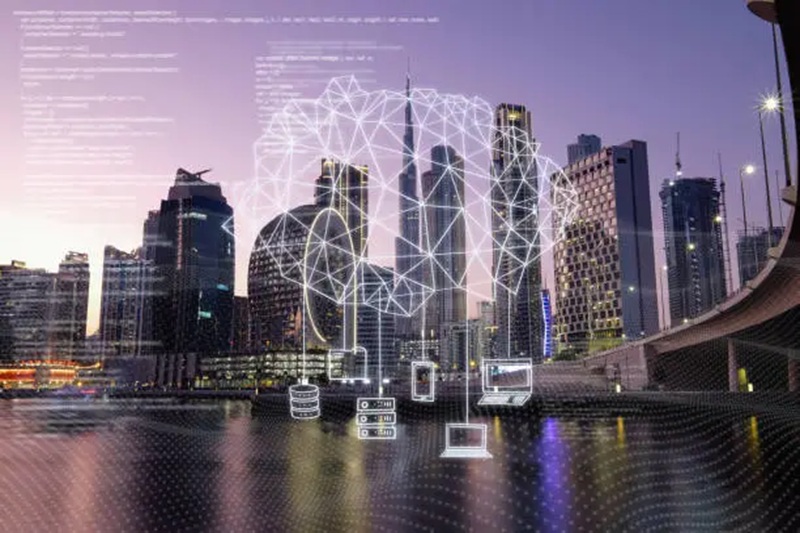
The Gulf isn’t experimenting with “smart city” ideas on the side. It’s treating them like national infrastructure, on the same level as roads, airports, and utilities. Across the GCC, governments are wiring cities with sensors, automating services, rolling out digital identity, and using AI to manage everything from traffic flow to building maintenance.
But what makes the Gulf’s approach stand out isn’t just speed or scale. It’s the fact that smart-city planning is being built into national visions, public service delivery, and economic diversification, so the “future city” isn’t a prototype. It’s a policy direction. For more news updates, visit our Gulf Independent News page.
What does “smart city” mean in the Gulf
In practice, Gulf smart cities usually combine five layers:
- Digital government (services move to apps, paperless processes, unified platforms)
- City data and interoperability (shared datasets, standards, real-time dashboards)
- AI-enabled operations (prediction + automation for mobility, utilities, safety, maintenance)
- Smart mobility (public transport integration, micromobility, autonomous pilots)
- Sustainability by design (energy efficiency, climate-responsive planning, greener districts)
Dubai’s government-led initiative set the tone early: the Digital Dubai office highlights a long list of initiatives, data, blockchain, AI roadmap, and paperless government, built as an ecosystem, not isolated apps.
Where AI shows up first
1) Digital government that actually feels “one-click”
The Gulf’s strongest wins often come from reducing friction: fewer office visits, fewer forms, faster approvals.
Dubai’s “paperless” direction is frequently referenced as part of its wider smart-city push, moving services end-to-end into digital workflows.
Why it matters: once services become digital by default, AI can sit on top, detect fraud, route requests intelligently, predict demand spikes, and personalise citizen experiences.
2) Mobility: the fastest place to prove AI
Traffic management and public transport integration are a perfect fit for AI because they generate constant real-time data.
Qatar’s Lusail, for example, positions itself around integrated transport networks (light rail, pedestrian and cycling links, internal mobility systems).
That kind of setup is what allows “smart mobility” to become routine rather than aspirational.
3) Districts built to be smart from day one
Retrofitting old cities is hard. Building smart districts from scratch is easier, so many Gulf projects start there.
- Msheireb Downtown Doha markets itself as a smart and sustainable downtown regeneration, combining modern tech with architecture inspired by Qatari heritage.
- Microsoft and Msheireb have also publicly discussed exploring smart-city solutions and AI capabilities for the district experience.
The real value of these “district labs” is that they become templates, and what works gets scaled to other zones and services.
The infrastructure behind the magic: data centres, chips, and rules
A smart city is only as smart as its infrastructure. Two realities shape the Gulf’s next phase:
- AI needs power + cooling + compute. Qatar’s recent moves, for example, have been framed around leveraging cheap energy to attract AI infrastructure, while still facing challenges like data governance, chip access, and talent.
- Governance becomes a competitive advantage. If residents don’t trust how data is collected and used, adoption stalls. That’s why you’re seeing more emphasis on frameworks, standards, and institutional capacity,n ot just shiny pilots. Research on GCC smart-city policies also highlights barriers like regulatory gaps and centralised planning constraints that can affect large-scale rollouts.
What the Gulf is building toward next
Here’s where Gulf smart cities are clearly heading over the next few years:
- City “operating systems”: one platform connecting transport, utilities, safety, environment, and service delivery
- Predictive cities: fixing problems before they happen (maintenance, congestion, energy demand)
- Autonomous mobility at scale: from controlled pilots to regulated, everyday use
- AI-backed sustainability: carbon monitoring, energy optimisation, water efficiency
- Human-centred design: services that don’t just exist, but feel simple and inclusive
Conclusion
AI and smart cities in the Gulf aren’t just about convenience; they’re a strategy for post-oil competitiveness, quality of life, and global relevance. From Dubai’s digital government ecosystem to Saudi Arabia’s mega-urban experiments and Qatar’s platform-first digital agenda, the region is shaping what a modern city can look like when policy, capital, and execution are aligned.
The next chapter is simple: no more tech, better governance, stronger interoperability, and citizen trust that keeps up with innovation.





UAE Flights Today: Latest Cancellations, Delays and Schedule Changes at Major Airports

US Approves Possible Sale of 48 F-35 Fighters to Saudi Arabia

Kuwait Army Chief Joins Paris Meeting on Lebanon’s Security

Dubai Announces New Standards to Improve Workers’ Accommodation

Indian PM Modi and UAE President Sheikh Mohamed Discuss Ways to Deepen Strategic Partnership

Museum Effect: How Abu Dhabi Is Redefining Soft Power?
-

 Entertainment1 week ago
Where to Watch Practical Magic 2 in Dubai and Abu Dhabi: Best Cinema Experiences
-
 News1 week ago
UAE President Welcomed With Official Reception at Villa Borsig in Berlin
-
 Reports1 week ago
UAE and Germany Launch Strategic Dialogue as New Agreements Are Signed
-
 Reports1 week ago
Saudi FM Faisal bin Farhan Joins International Space Summit in Paris