News
How Global Inflation Affects Everyday Life in Gulf Countries

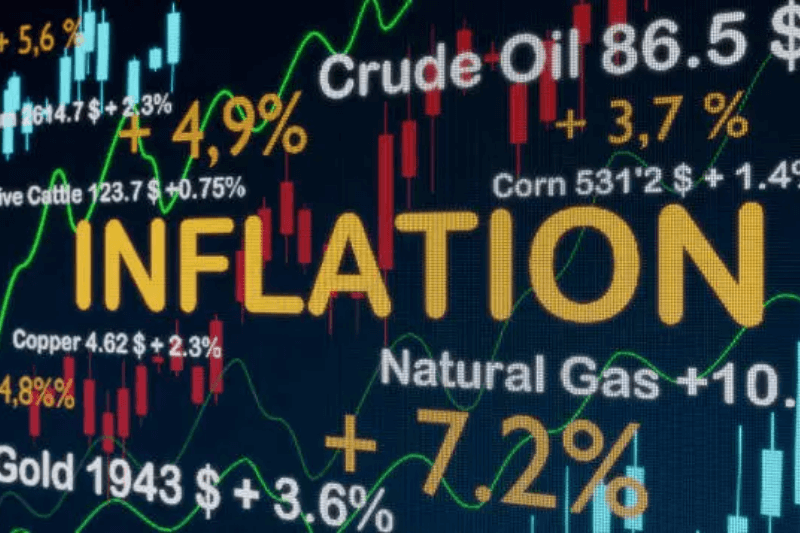
Global inflation is no longer just a technical term from economic reports; it is something people in Gulf countries can feel in daily life. Rising prices for food, fuel, housing, and services are quietly reshaping how households budget, save, and spend. To a region that depends much on imports and one that is tightly connected with the rest of the global energy market, imported inflation, currency, and change of interest rates all pass straight to the cost of living. This article explains how global inflation influences everyday life in Gulf countries, from supermarket bills and rent to salaries, savings, and lifestyle choices, and why smart financial planning is becoming more important than ever.
Cost of living and household budgets
Global inflation pushes up the prices of imported goods, including food, electronics, cars, and medicines, which directly increases monthly expenses for families in Gulf countries. The result is that households are now able to afford fewer necessities with the same salaries and have to start considering their needs, rather than wants, and seek discounts, special offers or inexpensive brands. An increase in school charges, health care expenses, and service fee pressure even middle-income families forcing them to create a tight budget and watch their expenses closely.
Housing, utilities, and transport
An increase in construction, shipping and raw material costs can be transferred to higher rents and property prices particularly in the key cities in the Gulf. The utility bills can increase as a result of a change in the energy tariffs and water tariffs, or an increase in the maintenance and service charges in the residential areas. With fluctuations in fuel prices and volatility in the global oil market, the cost of transport, whether in day-to-day activities and taxi fare or air transport, have an impact on work and leisure schedules.
Salaries, savings, and debt
With inflation increasing at a high rate compared to wages, the real income decreases and this decreases the purchasing power despite the fact that the nominal pay remained constant. Money in low-interest accounts is losing its value in real terms, and the residents are looking to find something that has a higher yield like fixed deposits, sukuk, or diversified investment portfolio. Meanwhile, the personal loans, credit cards, and mortgages are all subject to changes in the global interest rates.
Lifestyle choices and future planning
Global inflation often leads people to delay big-ticket purchases like cars, property upgrades, or luxury travel, focusing instead on emergency funds and essential spending. Gulf countries households are starting to compare prices online, loyalty programs, and plan their expenses more strategically to defend their quality of life. Education, retirement, or starting up a business are long-term objectives that need to be estimated with more realities and frequent review of the finances.


Dubai 7s 2026 Tickets Go on Sale: Dates, Prices and How to Book

Qatar Names 243-Athlete Team for Aichi-Nagoya 2026 Asian Games

The Mecca Defence Pact Is Built on Convenience. Can It Last?

H.H. Sheikh Mohammed Visits ADIHEX 2026, Celebrating UAE Heritage, Hunting and Equestrian Culture

Makkah Defense Pact: Strategic Committee to Hold First Meeting in Istanbul

UAE Expands Gaza Relief Efforts With New Aid Convoys Under Operation Chivalrous Knight 3
-

 News1 week ago
Global Humanitarian Leaders Gather in Dubai to Shape Future of Aid Ahead of DIHAD 2026
-
 News6 days ago
MBS and Macron Chair First Saudi-French Strategic Partnership Council Meeting in Paris
-
 Entertainment1 week ago
A Parent’s Guide to Visiting Panda House Park in Al Khor
-
 Reports1 week ago
UAE and Egypt Strengthen Energy Partnership With New Drilling Plans