News
UAE GDP Growth to Hit 4.8% in 2025: IMF Forecast Signals Strength, Diversification, and Stability

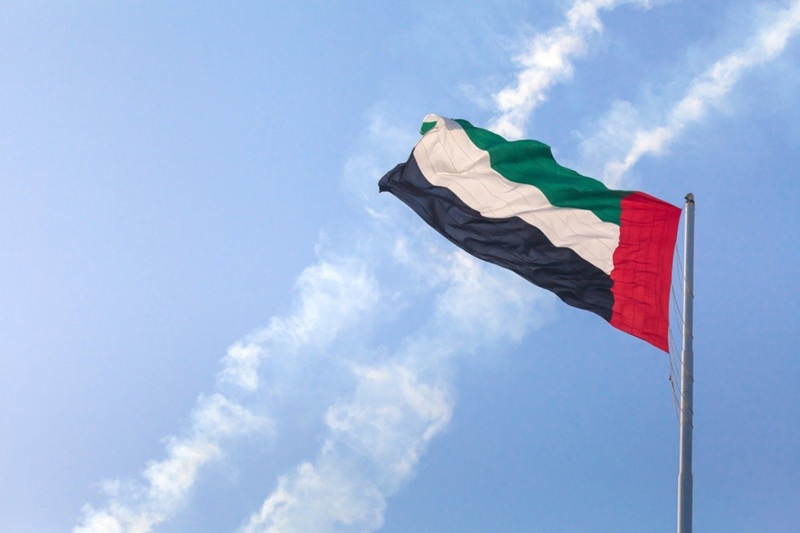
In 2025, economic growth in the United Arab Emirates (UAE) will be high, and the rate of economic growth according to the International Monetary Fund (IMF) is projected to be 4.8% billion as opposed to 4%in 2024. This forecast is also projected to rise to 5 per cent in 2026, which is just proof of strength against global headwinds, prevailing geopolitical uncertainty, and the evolving energy environment.
The trend of growth indicates that the UAE has strategic interests in the diversification of its economy, increasing its economy in the non-hydrocarbon sectors, enhancing fiscal stability, and establishing it as a global trading, financial, and innovation center. This story not just gives a boost of confidence to the investors, but it also makes the UAE one of the most desirable and secure economic destinations in the Middle East and the world.
Non-Hydrocarbon Strength and Diversification Drive Growth
The rise of the non-hydrocarbon industries is one of the most striking features of the UAE developmental trend, as the sphere is gradually making the country less dependent on oil income. The 4.8 percent growth target of 2025 is likely going to rely heavily on tourism, construction, and financial services.
There is a high recovery in the tourism sector after the pandemic, with Dubai and Abu Dhabi emerging as the leading destinations in the world in terms of tourism and business. The construction that is driven by mega-projects in infrastructure and real estate remains the focus of foreign investors interested in long-term returns. The UAE has established itself as a regional and global financial hub since financial services, specifically in the area of fintech and virtual assets, have further strengthened its image.
Such initiatives do not just find reception in the Middle East, but also in Western Asia and Europe, where de-hydrocarbonization is widely on the agenda. The success of the UAE is a key example to its neighbours and trade partners, thus enhancing synergies in the region in terms of tourism, commerce, and finance.
Fiscal Resilience, Energy Dynamics, and Global Relevance
As much as diversification is in the centre stage, hydrocarbons continue to be important. The rebound of oil production as a result of the OPEC+ decisions will be seen as an extra motivation, which will tie the growth of the UAE to the regional energy trends. Such a two-pronged approach of relying on hydrocarbons and enhancing the non-oil segments creates a balance and sustainability in the light of volatile energy markets in the world.
Meanwhile, the UAE has been in a strong fiscal situation, with corporate tax reforms, reduced deficits, and fiscal stability. Such actions assure the government and the outside world that the government is committed to ensuring long-term economic management.
Besides, the financial sector of the UAE is still among the strongest in the region. Banks are recording high profitability, reducing non-performing loans (NPLs), and increasing penetration into markets of virtual assets. As the EU moves forward with its digital finance initiative, the UAE, already being a crypto and stablecoin hub, also contributes to its attractiveness to European investors.
Besides, the UAE has significant investments in technology, real estate, renewable energy, and sustainable infrastructure, which highlight the futuristic perspective of the country. Green projects, food security policies, and climate adaptation plans appeal greatly to both the development requirements of Africa and the green transition of Europe, and it only serves to enhance the reputation of the UAE as a middleman between markets.
A Stable Investment Haven Amid Global Uncertainty
The optimistic view by the IMF draws a picture of a country that has successfully turned global headwind into an opportunity. At a time when most developed economies are preparing to hit the skids, the UAE is envisioned with its stability, proactive policy reforms, and its capacity to strike a balance between tradition and innovation.
To investors, it is simple to understand: the UAE is not merely expanding, it is expanding intelligently. With hydrocarbons, non-oil diversification, budgetary foresight, and climate-sensitive investments, the UAE is a safe, resilient, and opportunity-rich economy in a more hectic world.



Nobel Prize 2026 Winners Full List Categories and Achievements

From Abu Dhabi to Brussels: Europe’s Growing Focus on the Muslim Brotherhood and Cross-Border Security

Top 10 Staycations and Overseas Trip Options for UAE Families During Nine Day Half Term School Break

UFC Fight Night Doha Tickets Go on Sale: Guide on Ticket Price, How to Buy Tickets and Attend the Event

Saudi Aviation Authority Confirms 1 Dead, 11 Injured on Sunday Riyadh Airport Attack

UAE Flight Suspensions Extend Across Saudi Arabia
-

 Reports3 days ago
UAE and Saudi Arabia Seek to Strengthen Rail and Infrastructure Integration
-
 Entertainment3 days ago
Lusail Circuit Opens Volunteer Applications for 2026 MotoGP and Formula 1
-
 Reports3 days ago
Kuwait Urges Unified Global Response to Terrorism and Financing
-
 News3 days ago
Trade Deal Talks Concluded Between UAE and Thailand