Saudi unemployment among nationals fell from 12.8% in 2018 to 7.2% in Q4 2025, prompting the government to lower its 2030 target from 7% to 5%. Riyadh accounts for 63% of all new jobs created in the Kingdom since 2019. Female labor force participation more than doubled from 17% in 2017 to 36.3% in Q1 2025, exceeding the original Vision 2030 target of 30%, now raised to 40%. The PIF’s assets under management grew from $150 billion in 2016 to $941.3 billion. Non-oil GDP share reached 76%.
New Sectors That Didn’t Exist Before
Entertainment has been transformative. Cinemas reopened in April 2018 after a 35-year ban, and over 50 venues now operate. Six Flags Qiddiya City theme park opened in 2025 as part of the $9.8 billion Qiddiya mega-project. Saudi Entertainment Ventures is deploying SAR 50 billion ($13.3B) in entertainment destinations. Riyadh Season runs annually across 11 zones with international concerts, sporting events, and cultural festivals.
Saudi Arabia welcomed an estimated 122 million visitors in 2025, surpassing its 100 million target six years early in tourism. The ICT market is projected to reach $54.9 billion in 2025, growing to $82.5 billion by 2030. The fintech sector grew from zero to 150+ startups under SAMA’s sandbox. At LEAP 2023, $2.8 billion in tech investments were announced. Elon Musk announced a major data center in partnership with Saudi AI company Humain.
Salary Reality And The Saudisation Effect
Starting salaries span a vast range from SAR 7,000 to SAR 140,000/month, averaging SAR 32,000. About 60%+ of recorded jobs fall between SAR 10,000-40,000/month. The Nitaqat system now covers 269 professions with sector-specific quotas, dentistry at 55% by January 2026, accounting at 40% (rising 10% annually to 70% by 2028), engineering at 30%. The Human Resources Development Fund supported 143,000 Saudis into private sector employment in Q1 2025 alone, investing SAR 1.83 billion.
But challenges persist. 53.5% of jobless Saudis hold bachelor’s degrees. The Pearson report estimates skills gaps cost the Kingdom SAR 62 billion ($16.5B) per year, 4.2% of GDP. Most Saudi employers cannot retain employees beyond two years. The public-private wage gap endures, many Saudis still prefer government jobs.
Social Change In Daily Life
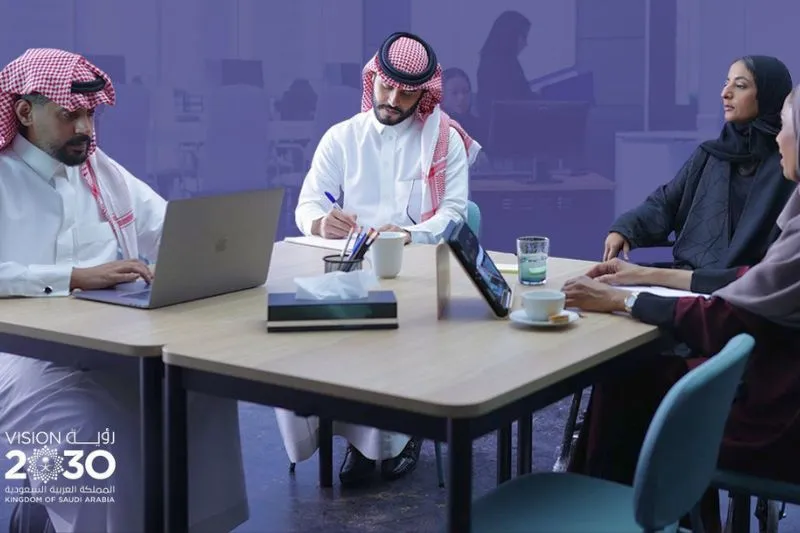
Women can now drive (ban lifted June 2018), attend stadiums, travel without male guardian permission, and work in most sectors. The religious police have been replaced by regular police enforcing a 2019 Public Decency Law that requires “modest” dress, without specifying abayas. Mixed-gender events are now routine. The shift is tangible in Riyadh’s cafés, entertainment districts, and workplaces.
The Housing Crisis
Riyadh property prices have surged 81% since 2020. In 2025, apartment rents rose 10.3% year-on-year and villa rents 14.4%. Some neighborhoods saw 40% rent increases in a single quarter. On September 25, 2025, Crown Prince MBS ordered a five-year freeze on all rent increases in Riyadh with fines of up to 12 months’ rent for violations. The housing pipeline includes 57,000 new units planned for 2026-2027, and ROSHN’s mega-development spans 20 million sqm with 30,000+ housing units.
Reality Versus Hype
NEOM employs approximately 140,000 construction workers (targeting 200,000) and 5,000+ full-time professional staff from 100+ countries. But the vast majority of workers are construction laborers, not the high-tech roles featured in marketing. Giga-project contract values jumped 20% to $196 billion in 2025, and Riyadh alone has $237 billion in projects announced since 2016. However, delays and scalability challenges are acknowledged, and JP Morgan estimates the fiscal breakeven oil price at $98/barrel, creating a revenue gap.
FAQs
How has Vision 2030 changed job opportunities for young Saudis in Riyadh?
ANS: Vision 2030 has significantly expanded private sector jobs, especially in tech, entertainment, tourism, and fintech. Riyadh alone accounts for over 60% of new job creation since 2019, but competition remains high, particularly for graduates.
What is the average salary for young professionals in Riyadh in 2026?
ANS: Salaries vary widely, ranging from SAR 7,000 to SAR 140,000 per month, with most professionals earning between SAR 10,000 and SAR 40,000. The average sits around SAR 32,000, depending on industry and experience.
Is Saudisation helping or hurting young Saudi professionals?
ANS: It’s doing both. Saudisation (Nitaqat) is increasing hiring of nationals, but it also creates pressure on companies and exposes skill gaps. Many graduates still struggle to find roles that match their qualifications.
What are the biggest challenges young professionals face in Riyadh today?
ANS: The biggest issues are rising housing costs, skills mismatches, job retention problems, and the continued preference for government jobs due to stability and benefits.
Are mega-projects like NEOM creating real career opportunities?
ANS: Partially. While NEOM and other giga-projects are creating jobs, most current roles are in construction. High-skill, white-collar opportunities exist but are limited compared to the scale of hype.
Explore More Must-Reads
What Drives Vision 2030 EV Growth?
Explore how electric vehicles are shaping a greener GCC future under Saudi Arabia’s Vision 2030 initiatives.
Which Mega Projects Lead Vision 2030?
Discover the most ambitious mega projects transforming Saudi Arabia’s landscape and economy.
How Budget 2026 Supports Vision 2030?
Check how Saudi Arabia’s 2026 budget fuels growth and revenue under Vision 2030 plans.
How Vision 2030 Changes Gulf Jobs?
Explore how Vision 2030 is reshaping job markets and career opportunities across the Gulf region.
What Defines Riyadh’s Vision 2030 Lifestyle?
Discover how urban development is transforming lifestyle and living standards in Riyadh.



 Top Stories2 weeks ago