At Dubai International, the sound of trolley wheels scraping the floor is constant. Security staff call out instructions in clipped voices, while long queues snake around check-in counters. The atmosphere is busy, almost overheated. In Abu Dhabi, hotel reception desks stay lit late into the night, staff rushing between luggage carts and ringing phones.
This is what nearly 40,000 new licenses in tourism, hospitality, and aviation look like on the ground. As Travel and Tour World reports, Dubai, Abu Dhabi, Sharjah, and northern emirates are driving this surge.
This expansion fuels gulf entertainment offerings, from lavish themed events in Dubai’s new resorts to cultural festivals in Abu Dhabi that blend tradition with modern spectacles, drawing crowds year-round. The UAE driving this surge with strategic reforms and visa policies has positioned the emirates as global hubs, boosting aviation routes and hospitality innovations for seamless visitor experiences. As licenses multiply, expect even more vibrant scenes at airports and hotels, underscoring the region’s economic momentum through tourism.
Record Number of Tourism and Aviation Licenses Issued
By mid-September 2025, officials had approved 39,546 licenses across tourism, hospitality, and aviation. The number feels large until you picture the scene: new travel agencies opening in small office blocks, aviation firms lining up with applications, restaurants adjusting menus to attract foreign visitors. Just five years ago, planes sat idle and hotel pools were drained.
Today, that silence has flipped into noise. Faster approvals mean businesses don’t spend months chasing stamps. The surge includes aviation, digital tourism, hotels, and air transport, each sector feeding into the same cycle of growth.
Dubai’s Tourism and Hospitality Expansion
Dubai leads. More than 5.3 million international visitors in the first quarter alone. Downtown hotels are at near capacity, with lobby sofas filled by jet-lagged families. Restaurants in Jumeirah cycle through tables at dizzy speed. Luxury resorts rise along Palm Jumeirah while budget operators crowd Al Barsha.
The Department of Economy and Tourism also tightened rules for tourist transport operators. Drivers need stricter permits, cars need better checks. Some complain the process adds cost, yet the city sees fewer rogue operators. Even with tighter rules, license requests in tourism and hospitality keep arriving, showing the market is far from saturated.
Abu Dhabi’s Tourism Business License Fee Cap
Abu Dhabi prefers a different tactic. The Department of Culture and Tourism set a flat AED 1,000 annual cap on tourism business licenses. Instead of scattered fees and confusing forms, companies now pay one predictable charge.
A café linked to a cultural event or a small tour group no longer fears losing money before earning any. The capital pushes its cultural identity strongly. Louvre Abu Dhabi remains a steady draw, while Yas Island fills during the Formula 1 Grand Prix. With the lower cost, more independent operators are joining large hotel brands in shaping the tourism economy.
Sharjah and Northern Emirates Joining the Growth
Sharjah’s focus stays on families and culture. Heritage centers hum with school trips, and new hotels near its waterfront report steady occupancy. Licenses here go to cultural events and mid-range accommodations. Ras Al Khaimah’s mountains tell a different story.
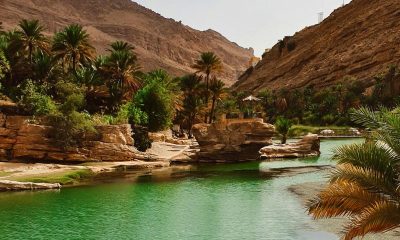
Zipline bookings at Jebel Jais stretch into weeks ahead, and eco-lodges book out quickly. Fujairah pushes coastal tourism, with new diving schools and small resorts on the Gulf of Oman. Even Ajman and Umm Al Quwain, often overlooked, see fresh licenses. The picture shows tourism and hospitality growth spreading across the federation, not locked into Dubai or Abu Dhabi.
Key Factors Driving Tourism and Aviation Growth
The surge isn’t a fluke. Several clear reasons keep the curve climbing.
- Visa reforms: Cruise visitors, event tourists, and even AI specialists now have tailored entry options. Queues at immigration move faster.
- Tourism campaigns: The “World’s Coolest Winter” campaign gave hotels bookings in months once painfully slow.
- Airport expansion: More routes, upgraded terminals, fewer bottlenecks. Travelers notice the difference.
- Investment confidence: Developers continue building hotels, expanding aviation fleets, and funding digital booking tools.
- Clearer regulations: Dubai’s stricter transport permits and Abu Dhabi’s license cap give operators predictable rules.
Together, these make it easier for companies to plan, invest, and deliver services that visitors actually experience.
Economic Impact and Future Outlook
Tourism’s share in the non-oil economy grows heavier each quarter. Hotel revenues for the first half of 2025 crossed AED 26 billion. Airports moved more than 102 million passengers in eight months. Investments that touched AED 32.2 billion last year are projected to hit AED 35 billion this year.
The figures translate into daily pressures: hotel staff pulling double shifts, tour guides shuttling between groups, airline crews juggling tight connections. Challenges exist. Too many new hotels could drag rates down. Smaller emirates may strain under demand if utilities and transport lag. Meanwhile, Saudi Arabia, Qatar, and Oman push competing tourism projects. The UAE must maintain quality as numbers rise.
What This Means for Investors, Businesses, and Visitors?
For investors, the market looks open. Tourism, hospitality, and aviation licenses are being issued faster than before, and the environment remains stable. Developers scan land near airports and beaches for hotel projects. Aviation companies add routes, watching passenger counts climb.
For businesses, there’s space to grow. Restaurants open second branches, tour firms expand fleets, and online booking apps add features. Even smaller ventures, cafés, niche event organizers, boutique operators, find room.
For visitors, the changes are visible. More hotel rooms across price points. Better regulated transport. Smoother airport experiences. A family from Cairo books a modest hotel in Sharjah without trouble. A business traveler finds a direct flight that saves three hours.
Across Dubai, Abu Dhabi, Sharjah, and the northern emirates, nearly 40,000 tourism, hospitality, and aviation licenses show one truth: growth is real, and it is reshaping daily life. From the hum of crowded terminals to the smell of fresh coffee in hotel lobbies, the UAE’s bet on tourism is clear, and for now, the momentum shows no sign of slowing.









 Top Stories2 weeks ago