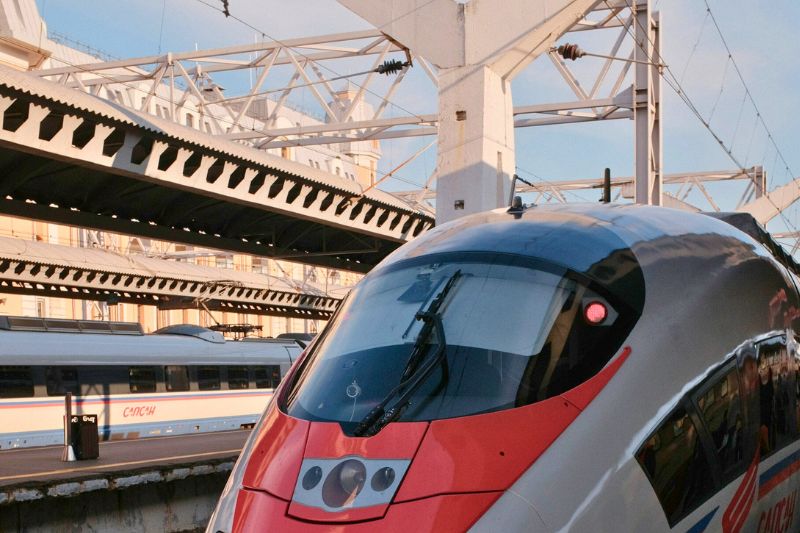
Major mobility change in the Gulf region is on its way. The Saudi Cabinet has officially approved the agreement for the Riyadh-Doha High-Speed Electric Railway Project, a landmark infrastructure initiative connecting the two capitals. This move was finalized in February 2026 and it solidifies the partnership between Saudi Arabia and Qatar in developing a sustainable and ultra-modern transport corridor.
Riyadh-Doha High-Speed Railway Technical Specifications
The new 785 km will transform the cross-border travelling. The trains will run at speeds of over 300 km/h as it is a completely electric system.
- Pathway: This route links the King Salman International Airport (Riyadh) and Hamad International Airport (Doha).
- Key Stops: Hofuf and Dammam.
- Travel Time: A 7 hour road journey has been tightly cut to only 2 hours on a railroad.
This efficiency positions the Saudi-Qatar Rail Link as a competitive alternative to short-haul flights, significantly lowering carbon emissions. for more news updates, visit our Gulf Independent News page.
Economic Impact of the GCC Railway Project
The project is an economic powerhouse other than speed. It is expected to cater more than 10 million passengers in a year and create about 30,000 employment. This connection reinforces trade and tourism by being incorporated into the larger GCC Railway Project, which fits the Saudi Vision 2030 and Qatar National Vision 2030 perfectly.
Official Announcement
Saudi Ministry of Transport Official Announcement
FAQs
1. When will the Riyadh-Doha High-Speed Railway be completed?
The expected completion of the project is at the end of 2030, and the time of construction is about six years.
2. How fast will the Saudi-Qatar rail link trains travel?
The trains are also electric and are designed to move with a speed of more than 300km/h thus making it one of the fastest connections in the area.
3. What are the main stations on the Riyadh-Doha route?
The route will be direct Riyadh to Doha, and there will be key intermediate destinations at Hofuf and Dammam which are located in the Eastern Province of Saudi Arabia.
4. Is this part of the larger GCC Railway Project?
Yes, this connection is an important part of the integrated GCC railway line that is supposed to connect all the six countries that are a member of the Gulf Cooperation Council.