Trends
Regional Dialogue Strengthens as Qatar’s Leadership Engages Saudi and UAE

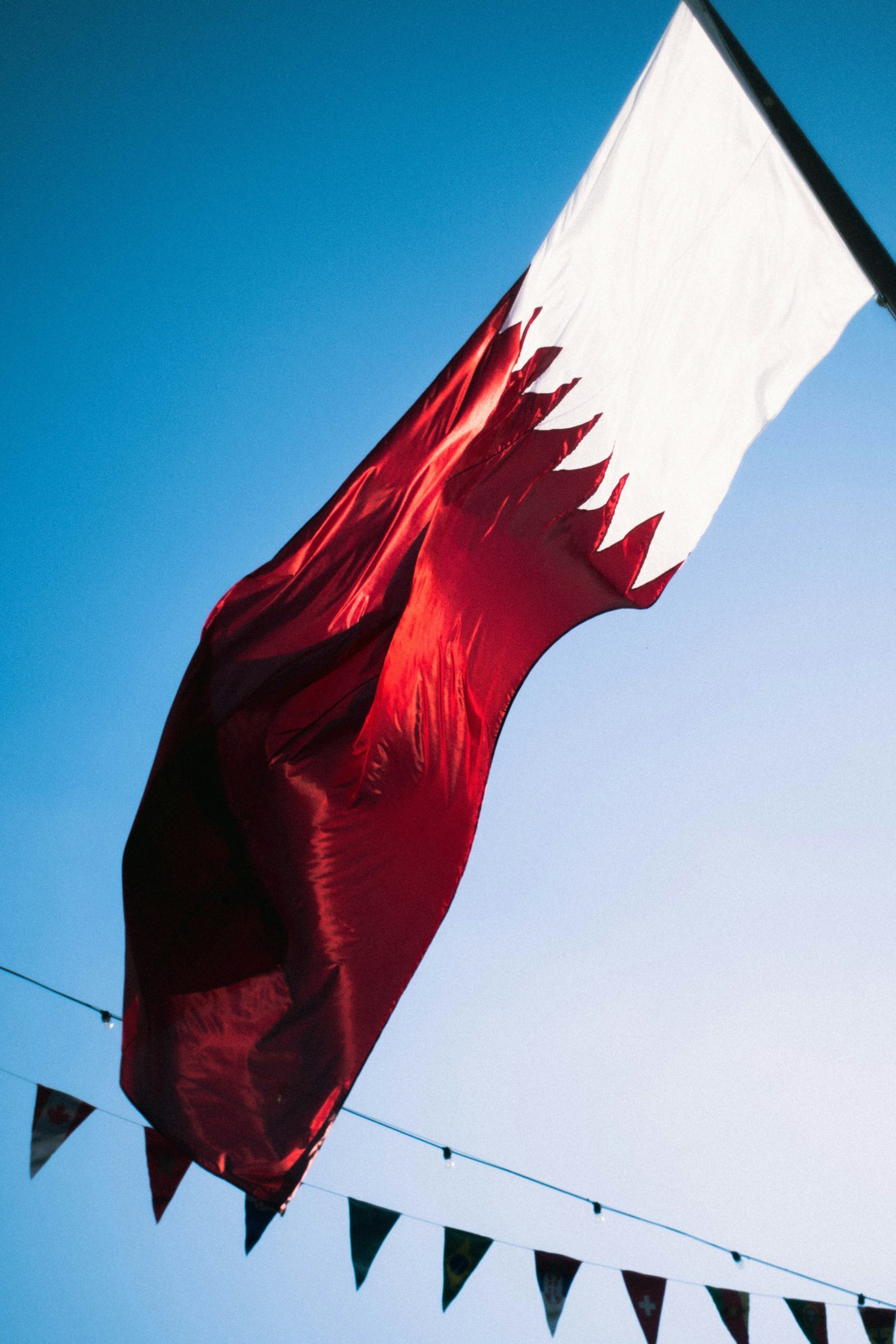
Qatar’s leadership has stepped up regional dialogue with Saudi Arabia and the UAE, keeping the focus on stability and cooperation across the Gulf. The outreach signals a steady attempt to keep GCC ties practical, calm, and workable, even when the region feels tense. And yes, the timing matters. A lot is moving at once, and nobody wants surprises. For more news updates, visit our Gulf Independent News page.
High-Level Engagements With Saudi and UAE Leadership
Qatar’s engagement has largely stayed at the top level, centred on direct communication between leadership and senior officials. The discussions have been framed around shared regional concerns, bilateral coordination, and keeping channels open.
Officials familiar with Gulf diplomacy describe this as the “keep talking, keep it steady” approach. Not dramatic, not loud. Just consistent.
In recent weeks, the message from Doha has sounded clear: contact with Riyadh and Abu Dhabi is not treated as an occasional gesture. It is being handled as routine statecraft. That tone itself sends a signal.
Strategic Priorities Behind Qatar’s Diplomatic Outreach
Qatar’s outreach appears built on a few practical priorities, not big speeches. The priorities show up again and again in Gulf conversations.
- Security coordination: maritime stability, border concerns, and regional risk management.
- Economic continuity: trade flows, investment confidence, and business predictability.
- Political calm inside the GCC: fewer public rifts, more private problem-solving.
- Communication discipline: keeping sensitive matters off microphones, and inside rooms.
Feels strange sometimes, but Gulf diplomacy often runs on small habits. Quiet calls, short meetings, simple wording. That’s how it stays functional.
Read more: Qatar’s Sustainable Growth Push in 2026 Places It as GCC Tourism Leader
Yemen Developments Driving Coordinated Gulf Discussions
Yemen remains a central file shaping Gulf calculations, and it keeps pulling Saudi Arabia, the UAE, and Qatar into overlapping conversations. The reason is simple: Yemen spills over fast, and the costs do not stay inside Yemen.
Saudi Arabia’s security concerns, UAE’s regional positioning, and Qatar’s preference for dialogue-based de-escalation all meet in this space. And this is where coordination becomes less optional.
Diplomatic contacts linked to the Yemen file often carry two goals at the same time: reduce the chance of escalation, and prevent fresh splits inside the GCC. That second goal is rarely said openly, but it sits there.
Benefits of Strengthened Qatar–Saudi–UAE Cooperation
A tighter working rhythm between Qatar, Saudi Arabia, and the UAE can create benefits that look boring on paper, but matter in real life. Trade routes, travel confidence, investor mood, and regional crisis control all respond to political signals.
Quick view of where cooperation shows up:
| Area | What it could support | Practical note |
| Security | calmer risk management across Gulf flashpoints | coordination matters more than statements |
| Economy | smoother trade, investment confidence, project stability | markets watch relationships closely |
| Diplomacy | stronger GCC posture in regional negotiations | unity helps, even if imperfect |
And there’s another point people don’t say enough: stable ties reduce the need for public posturing. That saves everyone time, honestly.
Regional and International Response to the Diplomatic Momentum
Across the Gulf, the response has largely been cautious but positive. Regional observers tend to read these engagements as a sign that GCC capitals prefer predictability over public tension.
Internationally, partners who deal with Gulf states on energy, trade, and security also value quieter coordination. Not because it solves everything, but because it lowers uncertainty. Investors and foreign ministries often read Gulf unity as a stabiliser, even if the unity is not perfect. That’s the reality.
Challenges That May Shape Future Gulf Dialogue
Still, Gulf dialogue does not run on goodwill alone. Several pressure points can shape what comes next.
- Different priorities in regional files: Yemen, Iran, Red Sea security, and wider alliances.
- Competition in economics and influence: big projects create pride, and pride creates friction.
- Media noise and public expectations: one sharp headline can complicate weeks of work.
- Speed of regional events: situations shift quickly, and diplomacy moves slower.
So yes, cooperation can grow, but it also needs careful handling. One wrong step and everyone spends weeks “clarifying” things. That happens a lot.
Outlook for GCC Stability and Cooperation in 2026
Looking toward 2026, the outlook depends on one basic thing: can the GCC keep disagreements managed without turning them into public fights. Qatar’s approach appears to bet on steady contact, controlled messaging, and working-level coordination that survives political weather.
If that continues, GCC stability improves in a practical sense. Fewer shocks, more predictability, and more space for economic planning. It will not feel perfect. It rarely does. But functional stability is still stability.
A Forward Path for Unified Gulf Diplomacy
Qatar’s leadership engagement in regional dialogue with Saudi Arabia and the UAE points to a Gulf preference for stability over noise. The focus stays on cooperation that supports security, economic continuity, and calmer regional management. Challenges will remain, and nobody should pretend otherwise.
But regular contact, restrained messaging, and shared interest in avoiding escalation can keep the GCC on a steadier track through 2026. Sometimes progress looks plain and slow. Yet in this region, plain and slow can still mean serious work.
FAQs
1) Why is Qatar prioritising regional dialogue with Saudi Arabia and the UAE right now?
Qatar is pushing regional dialogue to keep GCC stability intact and reduce risks linked to shifting regional tensions.
2) How does the Yemen situation affect Qatar, Saudi, and UAE coordination?
Yemen can trigger security and political spillover, so Gulf coordination helps limit escalation and manage shared concerns.
3) Does stronger Qatar–Saudi–UAE cooperation impact business and investment confidence?
Yes, calmer political ties generally improve predictability for trade, investors, and cross-border economic planning.
4) What challenges could disrupt this diplomatic momentum inside the GCC?
Different regional priorities, competitive economic agendas, and sudden crises can strain dialogue even when channels stay open.
5) What could GCC stability look like in 2026 if dialogue continues at this pace?
It may look more predictable, with fewer public rifts, better crisis coordination, and steadier cooperation across key files.


Nobel Prize 2026 Winners Full List Categories and Achievements

From Abu Dhabi to Brussels: Europe’s Growing Focus on the Muslim Brotherhood and Cross-Border Security

Top 10 Staycations and Overseas Trip Options for UAE Families During Nine Day Half Term School Break

UFC Fight Night Doha Tickets Go on Sale: Guide on Ticket Price, How to Buy Tickets and Attend the Event

Saudi Aviation Authority Confirms 1 Dead, 11 Injured on Sunday Riyadh Airport Attack

UAE Flight Suspensions Extend Across Saudi Arabia
-

 Reports3 days ago
UAE and Saudi Arabia Seek to Strengthen Rail and Infrastructure Integration
-
 Entertainment3 days ago
Lusail Circuit Opens Volunteer Applications for 2026 MotoGP and Formula 1
-
 Reports3 days ago
Kuwait Urges Unified Global Response to Terrorism and Financing
-
 News3 days ago
Trade Deal Talks Concluded Between UAE and Thailand