News
China and Russia in the Gulf: Key Investment Corridors Shaping KSA’s Vision 2030

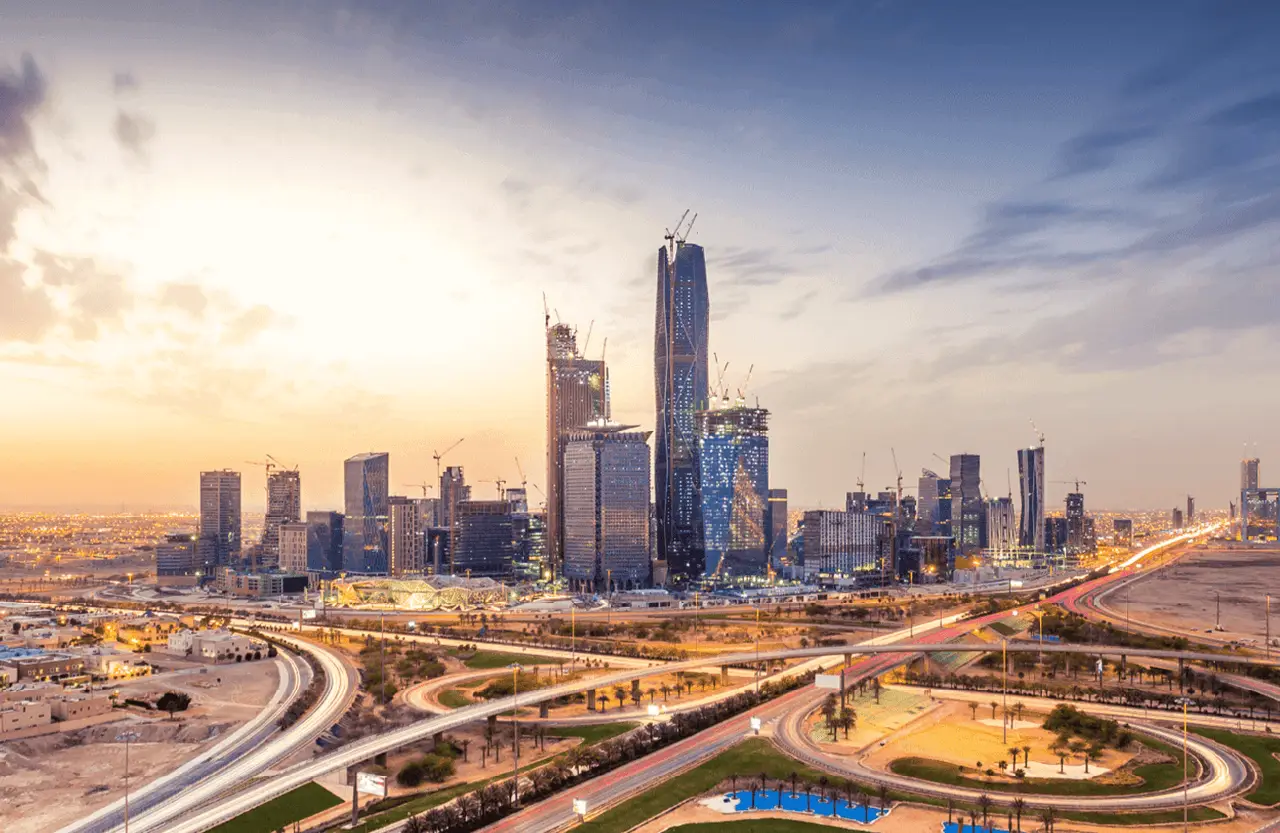
Economic relations with China and Russia are becoming greater in the Kingdom’s diversification efforts as it is ushering in the implementation of Vision 2030. Saudi Arabia is still dealing with the western finance, while at the same time finding similar areas of strengths in Beijing and Moscow: in technology, industry, energy and logistics.
China is playing an increasingly significant role in technology and industrial cooperation, and Russia is focused principally on energy issues and strategic corridors. These are all forming new economic corridors between Saudi Arabia and broader Eurasian markets.
China: Technology, Industry and Green Energy
China has gone beyond its role as traditional energy consumer and players, as it manipulated a stake in the kingdom. Chinese businesses converge more and more in the field of renewable energy, digital infrastructure, production and major development projects related to the Vision 2030.
The Sino-Saudi relationship is growing; the emphasis is on solar technology, electric vehicles, telecommunications, and the smart city infrastructure. The pace of technology transfer and industrial localization is reflected in the R&D partnerships established with companies like Huawei, Alibaba Cloud, Sungrow and JinkoSolar.
The other area of interest that still needs to be addressed is that of downstream energy. Through cooperation with Aramco and Sinopec, refining and petrochemical developments are supported as are the connections of the supply chain between Saudi Arabia and China with the Kingdom’s drive to grow more industry value added activities.
Russia: Energy Stability and Logistics
The economy of Russia plays a significant role for Saudi Arabia, and is closely linked to energy markets. OPEC+‘s consensus in these policy areas is vital for energy-market stability, and Riyadh and Moscow are important partners of the group in coordinating oil-market policies.
In addition to its asset-light oil production partnership, the company is also expanding into the assets-heavy petrochemical trading, and commodities and logistics sectors. The International North-South Transport Corridor (INSTC), which Russia is developing, could dovetail with the transport fiber in the Gulf, further developing links between the Arabian Peninsula and Eurasia and international markets.
What These Corridors Mean for Vision 2030?
These partnerships are significant for diversification. Saudi Arabia can rely on Chinese funds and knowledge to expand its manufacturing capacity, renewable energy, digital infrastructure and electric vehicles sectors, and expand its energy tech cooperation with Russia can help advance macroeconomic issues.
Riyadh’s goal isn’t foreign investment as much as it is to draw in foreign capital. It’s about developing capacity building, job creation, localising technology and infrastructure to support a less oil dependent economy.
FAQs
Why is China key for Saudi Arabia’s Vision 2030?
Saudi Arabia can tap into China’s expertise, technology and investment in industry, renewable energy and the digital sector.
What is the principle line of business between Russia and Saudi Arabia?
Russia keeps playing its main role in energy coordination in OPEC+ and cooperation in logistics, commodities and downstream energy business.
Are Saudi Arabia’s western economic ties being supplanted?
No. More diversified are the growing Saudi Arabian economic/alliances with China and Russia that are not intended to replace existing Saudi Arabian linkages with the Western axis.



Oman Announces Four-Day Public Holiday for National Day

Four Drones Intercepted in Saudi Arabia’s Madinah, Riyadh and Eastern Province

Oil Spill from Tanker Causes Unusual Odours Across Northern UAE

Kuwait Tightens Action Against Employers With Unpaid Salaries

Oman and UK Forge New Partnerships in Space, Artificial Intelligence

Top Events and Activities to Enjoy in Qatar This Weekend (23-25 October)
-

 News1 week ago
Dubai Investment Opportunities: Sheikh Mohammed Says Now Is the ‘Ideal Time’ to Invest in Dubai
-
 News1 week ago
Kuwait Announces 10-Hour Water Network Maintenance in Four Areas
-
 Reports1 week ago
Aramco Facility Targeted in Dhahran, No Casualties Reported
-
 News1 week ago
UAE Creates New Government Authority to Enhance Public Services