Saudi Arabia
How to Buy Property in Saudi Arabia Under New 2026 Rules: Eligible Zones & Expat Guide

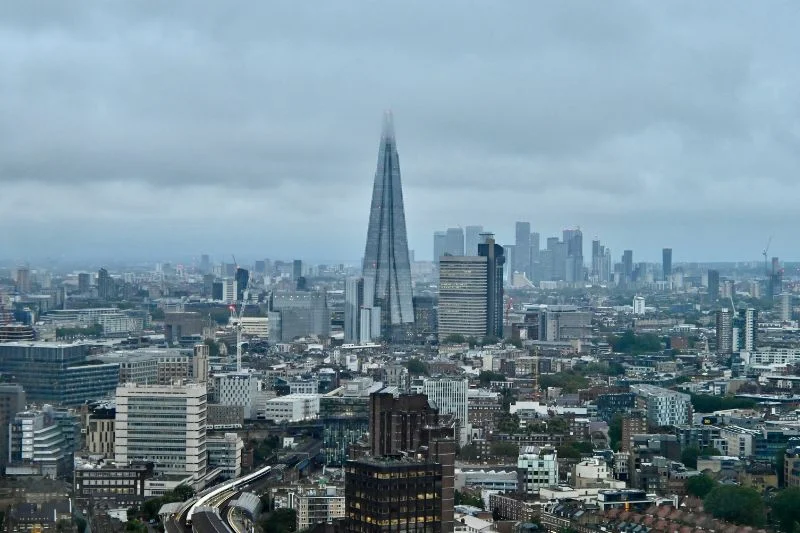
Saudi Arabia has enacted one of the most groundbreaking legislation in the lifetime of the Kingdom concerning real estate ownership, reforming the Law of the Real Estate in Saudi Arabia. The new system will remove some of the many existing restrictions that have been around for years and will open up fresh investment avenues for foreigners, expatriates and international persons who wish to invest in a South African property.
The reform is part of Vision 2030 to diversify the Kingdom’s economy and to get global investors. The law offers increased ownership rights but zoning regulations and buyers’ qualification requirements are still in effect as set forth by the Real Estate General Authority.
Understanding the New Property Ownership Zones
The key attribute of the new scheme is the ownership of the land by zoning. Foreign ownership rights have become largely dependent upon where and what type of property they wish to buy.
Foreign investment in the commercial, industrial and agricultural real estate sectors has been opened broadly in Saudi Arabia. Businesses, investment funds and foreign-owned businesses can invest in land to operate and run their businesses in most parts of the Kingdom.
In residential real estate there’s a more structured process. The rights of ownership vary depending on whether the investor is a Non Resident or Expat living in Saudi Arabia or an individual who wants to become a Resident through investment.
Who Can Buy Property Under the New Rules?
The 2026 plan offers a range of foreign ownership options. Check the table tabulated below for the rules to buy property in Saudi Arabia.
| Buyer Category | Ownership Rights |
| Non-Resident Foreign Investors | Can purchase residential property in designated REGA foreign ownership zones |
| Expat Residents (Iqama Holders) | Can purchase one residential property for personal use in most parts of Saudi Arabia |
| Foreign Companies | Can acquire commercial, industrial, and operational properties |
| Premium Residency Applicants | Can invest in qualifying residential properties to support residency applications |
Established areas of foreign ownership for non residents investors include NEOM, Red Sea Global destinations & Diriyah Gate etc. These projects are specifically targeted towards attracting long term investment through international buyers.
Special Rules for Makkah and Madinah
Makkah and Madinah continue to have special laws based on the reasons for their sanctification. Only Saudi citizens can own their homes in direct freehold ownership within the holy city premises.
Muslim foreigners, however, could have access to the property rights through long term lease-holds, through ‘usufruct’, through approved Special Purpose Vehicles (SPVs) and through REIT structures under regulation by CMA. All these mechanisms offer investment opportunities and preserve the special legal status of the holy cities.
Step-by-Step Guide to Buying Property in Saudi Arabia
Under the new system, the entire property acquisition process is now very digitally complex. Follow the below given step-by-step guide to buy property in Saudi Arabia.
- Check if properties are appropriate for REGA within approved REGA areas
- Establish an online profile with the Saudi authorities.
- Get a property valuation from a TAQEEM registered valuer
- Credit card operations are subjected to taxes and transaction fees which must be paid.
- Complete notarization and filing of title.
- Get ownership notice from Real Estate Registry
The requirement for the valuation (TAQEEM) makes it easier for both parties and gives transparency in advance of the transfer of ownership.
Understanding Taxes and Transaction Costs
Foreign buyers need to be mindful of other costs associated with the acquisition aside from the price they are paying.
For the mandatory Real Estate Transaction Tax (RETT), only 5% of the transaction value is subject to tax. This may result in extra fees depending on the structure of deal and ownership profile, which could raise the total acquisition costs.
| Cost Type | Rate |
| Real Estate Transaction Tax (RETT) | 5% |
| Additional Transaction Charges | Up to 5% |
| TPAC – Full Cost of Purchase | Up to 10% |
Such charges should be taken into account when planning an investment, especially in big residential or business properties.
Property Investment and Saudi Premium Residency
One of the most attractive aspects of the new framework is the connection between property investment and Premium Residency.
The Real Estate Owner Premium Residency pathway requires investors to be investors who buy up residential property for a value of SAR 4 million or more. The property shall be fully developed, fully paid for and habitable at the date of application.
This pathway offers an alternative to the traditional route of employment-based residency and is attractive to long-term investors towards the presence of long durability in Saudi Arabia.
Why the New Rules Matter for Expats
The reforms for 2026 offer increased flexibility for expatriates and foreign investors more than ever before. The new framework opens up a host of coupons for entry into one of the fastest-growing real estate markets in the region, no matter how you’re looking to invest in a family home, a long-term investment asset or even a residence.
With Saudi Arabia moving towards more mega projects and foreign investments, it is important to know the rules of REGA and understanding of the ownership areas will be crucial when making a decision on a property.
FAQs
Can foreigners Purchase Property in Saudi Arabia without residency?
Yes. According to the new regulations, by 2026 non-residents with no Saudi Iqama will still be able to buy properties in the areas approved for foreign ownership.
Is it possible for expatriates to purchase properties in Saudi Arabia?
Yes. In most of the Kingdom, foreign residents on valid Iqama are able to buy one residential property for their own use.
Are foreigners permitted to purchase property in Makkah in Madinah?
Foreigners are not permitted to directly own freehold residential property in the holy cities. Muslim foreigners, however, can acquire property rights through the provisions of leaseholds and investments as approved structures.
Don’t Miss These Stories
What are smart expat saving tips?
Explore practical money-saving strategies that help expats reduce daily expenses and survive rising costs in Gulf countries.
Why are Gulf workers facing rising costs?
Discover how increasing living expenses are impacting South Asian workers and reshaping financial stability across the Gulf.
Which GCC country is cheapest now?
Check out the most affordable GCC destination where expats can enjoy a lower cost of living without compromising lifestyle.
Where are budget-friendly GCC cities located?
Explore the top cities offering affordable living options for Indian and Asian expats across the Gulf region.
How is global inflation affecting Gulf life?
Discover how rising global inflation is influencing everyday expenses and reshaping expat lifestyles in the Gulf.


Nobel Prize 2026 Winners Full List Categories and Achievements

From Abu Dhabi to Brussels: Europe’s Growing Focus on the Muslim Brotherhood and Cross-Border Security

Top 10 Staycations and Overseas Trip Options for UAE Families During Nine Day Half Term School Break

UFC Fight Night Doha Tickets Go on Sale: Guide on Ticket Price, How to Buy Tickets and Attend the Event

Saudi Aviation Authority Confirms 1 Dead, 11 Injured on Sunday Riyadh Airport Attack

UAE Flight Suspensions Extend Across Saudi Arabia
-

 Reports3 days ago
UAE and Saudi Arabia Seek to Strengthen Rail and Infrastructure Integration
-
 Entertainment3 days ago
Lusail Circuit Opens Volunteer Applications for 2026 MotoGP and Formula 1
-
 Reports3 days ago
Kuwait Urges Unified Global Response to Terrorism and Financing
-
 News3 days ago
Trade Deal Talks Concluded Between UAE and Thailand