Top Stories
The UAE’s Humanitarian Response to Sudan: From Emergency Relief to Long-Term Recovery

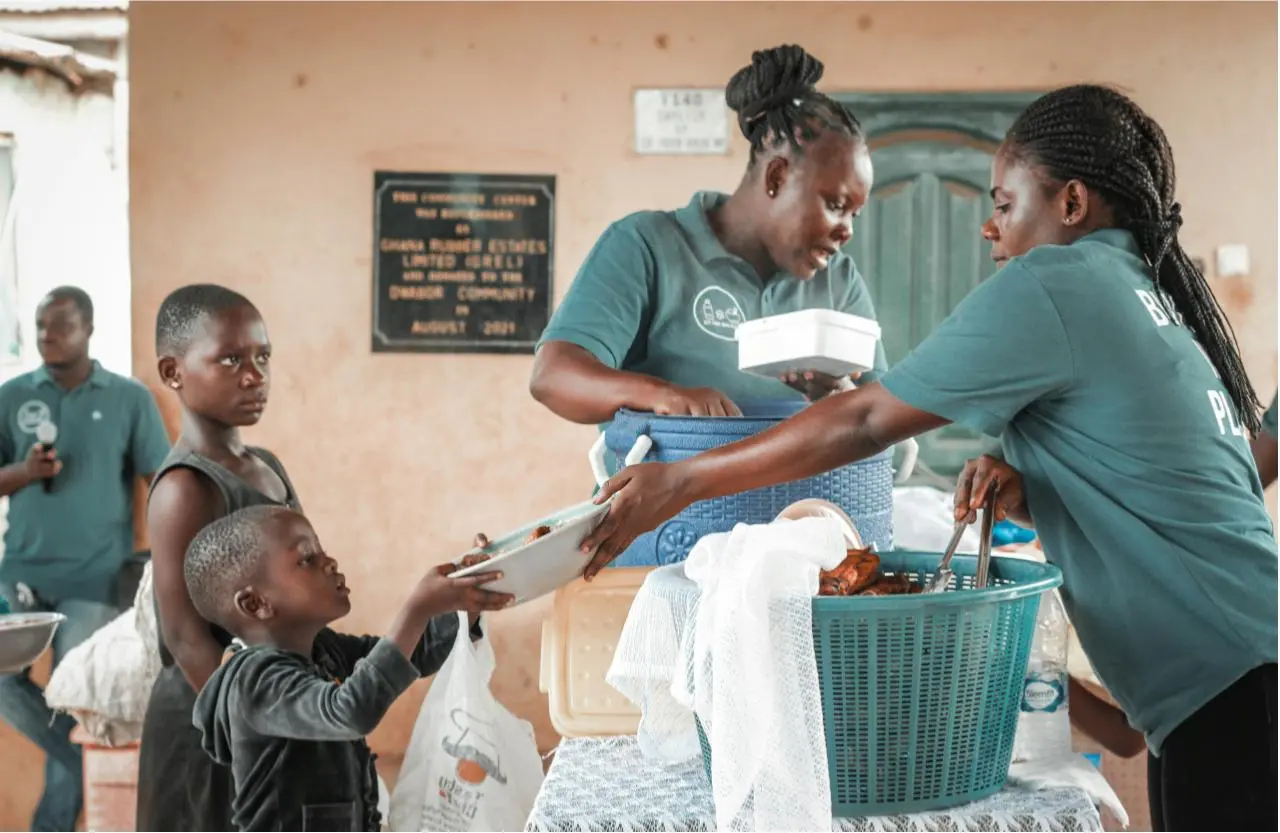
The UAE has been offering humanitarian assistance in Sudan since the war started, but now offering it in a broader context that includes health care, refugee protection, community development and diplomatic efforts in addition to food and medical assistance.
It tackles the implications of conflict by aiming to rescue lives as well as the essential services and helping communities to recover in the long-term.
Humanitarian needs have greatly increased since the start of the conflict in April 2023 in Sudan. The New Vision report said UNICEF estimates that 33.7 million, with 17.3 million of those being children needed humanitarian assistance in 2026.
The crisis has also negatively impacted upon neighbouring countries that host Sudanese refugee influx, such as the effect placed on the health care service, food security and access to water in the impacted areas.
UAE’s $100 Million Humanitarian Commitment
The UAE has responded with significant financial support, and the provision of key materials. The UAE has promised to fund humanitarian response at a cost of $100 million, half of which, $70 million, will go towards operations inside Sudan by international organisations and the other half, $30 million, will support refugees in neighbouring countries, at the Paris Humanitarian Conference in April 2024.
Logistically it has been a big deal too. Since the outbreak of the conflict, the UAE has already deployed 159 flights, supplying about 10,000 tonnes of food items and medical supplies as part of their humanitarian response by September 24, 2024. Maritime assistance was also provided, with a ship arriving with an estimated 1000 tonnes of the much needed supplies.
Improving Access to Healthcare for Refugees and Vulnerable Populations
Healthcare is another area playing a key role in the UAE response. As of September 2024, two field hospitals in Amdjarass and Abéché, both financed and supported by the UAE, have supported over 46,000 people in Chad with medical services.
It was extended to refugees, returnees and local communities in South Sudan in March 2025 with the opening of the Madhol Field Hospital with a capacity of 100 beds. Priority has also been given to assisting vulnerable groups of refugees in the UAE.
In September 2024, it provided $10.25 million to help support women refugees in Chad. The money was used for maternal and child health, voluntary measures to combat violence and actions aimed at fostering social integration.
Investing in Water, Healthcare and Community Development
In host communities, efforts focus on building infrastructure for the benefit of the community, in addition to immediate medical and humanitarian interventions. In October 2025, Mohammed bin Rashid Al Maktoum Global Initiatives, in partnership with the UNHCR, presented the results of projects undertaken in Chad that saw the drilling of 10 water wells and the setup of a healthcare clinic. There were a combined 131,000+ people benefited by these projects.
The establishment of such plans shows the value of caring for and supporting those who have been displaced as well as the community into which they were displaced. Water and health care are ways to meet immediate needs and support local communities capacity to face long-term displacement.
Diplomatic Engagement and Efforts to Advance Peace
A focus, in addition to humanitarian operations, has been on diplomatic engagement for the purpose of advancing humanitarian assistance in terms of improved enabling situations and the safeguarding of civilians. It also was involved with the Aligned for Advancing Lifesaving and Peace in Sudan (ALPS) August 2024 talks, aimed at improving humanitarian access and ensuring the safety of civilians.
The UAE was also one of the countries that was involved in order to suggest an international roadmap that proposed a three-month ceasefire for humanitarian purposes, after which, the countries agreed to end the conflict and alienate the current situation from military control and put into place the rule of civilians.
Supporting Long-Term Recovery Beyond Emergency Relief
Overall, the UAE’s response indicates the need to link immediate response with more sustainable recovery. Key interventions to more broadly address the impact of Sudan’s conflict have emerged as restoring livelihoods, improving access to basic services, enhancing host communities and facilitating diplomatic engagements.
Sustainable progress toward recovery can only be achieved through sustained efforts of international cooperation and action and not through emergency humanitarian response.
Explore Five Stories on UAE Humanitarian Aid and Sudan
UAE Announces $30 Million in Emergency Aid for Sudan
Abu Dhabi Talks Focus on Sudan’s Humanitarian Situation and Ceasefire
UAE Aid to Sudan: A Complete Overview of Relief and Support
UAE Donates $15 Million to UNHCR to Support Sudanese Refugees
Read about the UAE’s $15 million contribution to UNHCR and its role in supporting Sudanese refugees.
UAE Rejects Port Sudan Authority’s Decision and Reaffirms Support for Sudanese People






From Food to Music: 10 Things to Do in the UAE in Second Half of November 2026

Nvidia Scandal: What It Could Mean for the UAE and Saudi Arabia?

Qatar Expands Public Transport Access with Nine New Metrolink Routes

Bahraini Officials Explore UAE AI Security Operations

Two Houthi Drones Intercepted Over Makkah, Third Downed Near Madinah

Iran’s Foreign Minister Abbas Araghchi Set to Visit Muscat on Tuesday
-

 Top Stories1 week ago
10 Food Festivals and Culinary Experiences to Enjoy Across the GCC in November
-
 Reports1 week ago
Oman Selects Eight Technology Firms for US Expansion Through Numo Accelerator
-
 Reports5 days ago
Lost or Damaged Passport in Qatar? You Could Face a QR10,000 Fine
-
 News1 week ago
Kuwait Plans to Bring Back Doorstep Delivery of Civil ID Cards