Top Stories
Gulf Currencies Explained: Dirham, Riyal, Dinar and Why Most Are Pegged to the US Dollar

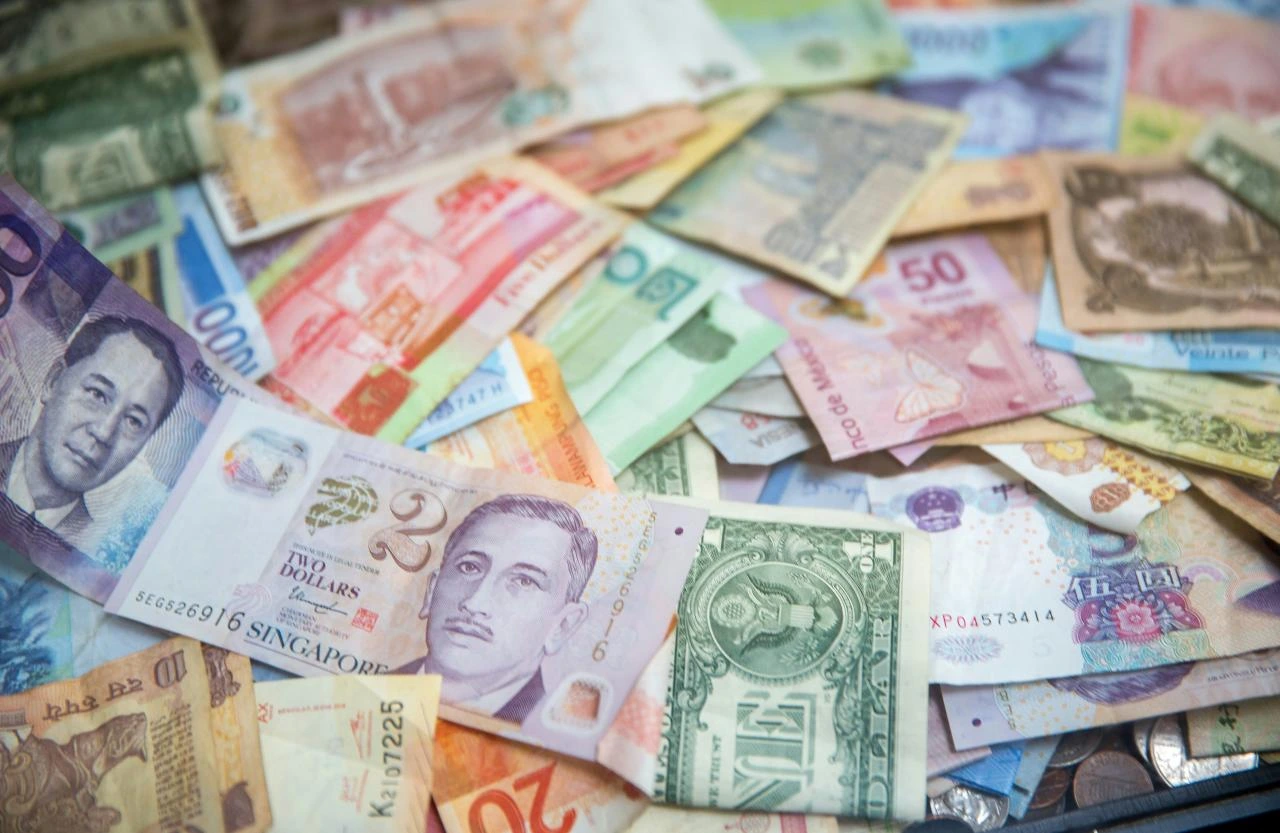
Anybody living, working or visiting the Gulf will quickly become aware that there are several different currencies in the region. These Gulf currencies are known as the dirham (UAE), riyal (Saudi Arabia & Qatar), rial (Oman) and dinar (Bahrain & Kuwait). However, most currencies are tied closely to the US dollar. Below we have outlined the currencies used by each country and why.
Gulf Currencies: Dirham, Riyal & Dinar
•UAE – Dirham (AED) – Fixed rate of 3.67 per $
•Saudi Arabia – Riyal (SAR) – Fixed rate of 3.75 per $
•Qatar – Riyal (QAR) – Fixed rate of 3.64 per $
•Oman – Rial (OMR) – Fixed rate of 0.385 per $
•Bahrain – Dinar (BHD) – Fixed rate of 0.376 per $
•Kuwait – Dinar (KWD) – Pegged to basket of currencies
Why the Dinar & Rial are so valuable
As you can see, the Omani rial, Bahraini dinar & Kuwaiti dinar are all much higher than $1. In fact the Kuwaiti is frequently referred to as the most valuable currency unit in the world. This does not necessarily mean that they are a wealthy country though.
Why Most Gulf Currencies are Pegged to the Dollar
A pegged currency is one which has been set at a fixed rate by the government. The obvious choice for the Gulf countries would be to peg the currency to the US dollar. As they export mostly oil and gas, the main currency they will be receiving is in dollars. If their currency was floating it would cause huge fluctuations in government income and expenditure.
Having a fixed rate means that food, cars and phones will always cost the same to import. Usually, the central banks in the Gulf will mirror the interest rates set by the US. In 2007 Kuwait decided to peg their currency to a basket of currencies to reduce this risk.
Benefits to Workers & Travelers
Having a fixed rate can be great for the millions of workers sending money back home each month, and you can also plan your budget knowing the prices won’t suddenly rise. We have put together a few top tips:
•Check the best rate and charge by using licensed exchange houses and bank apps.
•Avoid exchanging with anybody on the street who isn’t licensed.
•If your provider shows transfer charges, try to send on a day where the charges are lowest.
•To understand Gulf currencies, remember the key thing is that they are pegged to the dollar.
Explore Five Stories on Gulf Trading, Travel, and Everyday Life
Top 5 Forex Factory Threads for Gulf Traders: Gold (XAU/USD)
Indian Passport Renewal Fees in the UAE
UAE Daily Lottery Games: A Guide
Learn about daily lottery games in the UAE and explore the key details covered in this guide.
Share Millionaire Dubai: DSS 2026
Discover Share Millionaire Dubai and its connection to Dubai Summer Surprises 2026.
Etihad Rail Baggage Rules


Bahrain Confirms Interception of Multiple Iranian Aerial Threats

UAE President Meets Dubai Ruler to Discuss National Development Goals

Why Oman Is Emerging as a Strategic Gateway to the Gulf?

Sheikh Zayed Festival 2026: Your Guide to Events, Attractions and Fireworks

Taste of Abu Dhabi 2026: Dates, Location, Tickets and Food Festival Highlights

Dubai Police Uncover Money Laundering Scheme Using Digital Wallets
-

 Entertainment1 week ago
Qatar Boat Show 2026: Dates, Location, Tickets and Highlights
-
 News1 week ago
UAE and Palau Join Efforts to Promote Renewable Energy and Protect Marine Ecosystems
-
 Top Stories1 week ago
10 Food Festivals and Culinary Experiences to Enjoy Across the GCC in November
-
 Reports7 days ago
Oman Selects Eight Technology Firms for US Expansion Through Numo Accelerator