News
EASA Extends Gulf Flight Ban: Why Your Ticket to Europe Just Tripled in Price

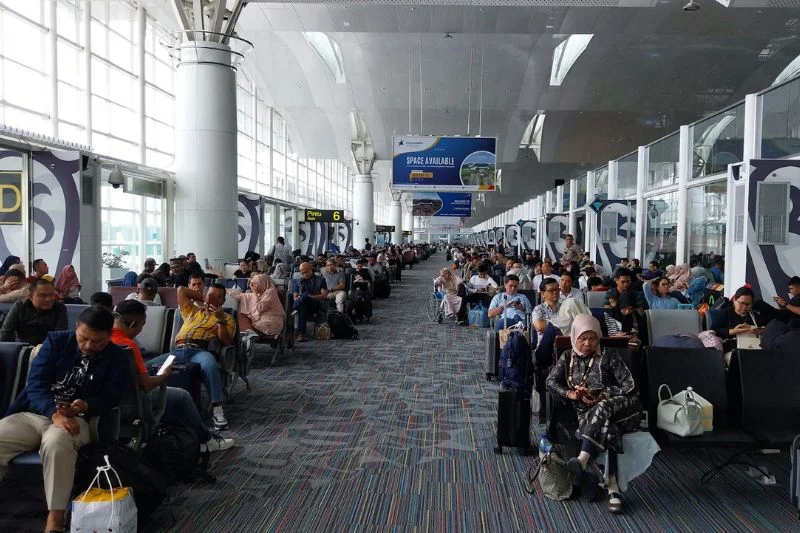
Flights in the Middle East are increasing in price after the European Union Aviation Safety Agency (EASA) prolonged the Conflict Zone Information Bulletin for the Gulf until at least May 1, 2026.
This bulletin has required airlines to take circuitous routes away from critical airspace, and the effects are now cascading through the system to impact passengers as travel times increase by 4-6 hours, availability of flights decreases, and prices sky high on Asia-Europe routes.
Why Are Airlines Taking Longer Routes?
Rerouting is the single largest factor contributing to higher airfares. Now airlines are flying away from war zones and detouring via countries such as the Caucasus or Africa.
These routes add up to 6 hours to a flight, and lead to a huge spike in fuel use. And for airlines already facing rising fuel costs, these extra expenses must be passed on to customers.
Airline Prices Are Rising As a Result of Fuel Costs
The price of jet fuel has more than doubled in 2016 to more than $140 per barrel, increasing the cost of long-range flights. This, along with longer routes, results in a big increase in cost per trip.
In response, airlines have either added or raised fuel surcharges and “war-risk” charges. This is a significant factor why prices have become more expensive in recent months, for example from a few hundred to thousands of dollars, on high-traffic routes such as Asia-Europe.
Limited Capacity at Gulf Hubs
Airports like Dubai, Doha and Abu Dhabi have currently limited capacity for operations. 70% flights have been reduced thus resulting in constraints and driving up the prices.
Over 70,000 flights have been cancelled or delayed since late February 2026. This has created a panic buying as consumers are rushing to book flights to the limited routes that are still available.
The resulting mismatch of demand and supply has created what some are calling a “price shock” for consumers, as travel costs increase by three times or more to more than $3,000 for a one-way ticket.
Don’t Miss These Stories
What’s Driving GCC Luxury Travel Boom?
Explore the rise of hyper-luxury travel trends shaping GCC tourism in 2026.
How Is GCC Embracing Eco Travel?
Discover eco-friendly journeys and sustainable tourism trends across the GCC region.
Are Dubai Flights Facing New Changes?
Check live updates on flights, delays, and airspace alerts at Dubai Airport.
Which Dubai Resorts Offer Easy Transfers?
Explore luxury resorts in Dubai that provide seamless airport transfer services.
Where To Track GCC Event Updates Fast?
Discover top sites for real-time GCC event cancellations and schedule updates.
“Corridor Congestion” Problem
Because of the restrictions imposed, most airlines are now operating a small number of “safe” travel corridors. These airspaces are congested, leading airlines to reduce the number of flights they operate and to be more precise with their schedules.
This not only causes delays but also limits the pricing flexibility, meaning fewer competitive fares for consumers.
For those travelling between Asia and Europe, it’s time to be flexible. Tip: Book early, or choose alternative routes or less crowded travel hubs, to save money.
It’s also recommended that travellers keep an eye on airline announcements, given the ever-shifting nature of schedules due to geopolitical changes.
FAQs
1. Why have prices in Europe suddenly risen?
Prices have increased because flights are taking longer routes, rising oil prices, fewer flights and more demand for seats.
2. How much longer is the flight?
Asia-Europe flights are 4-6 hours longer due to longer routes avoiding airspace.
3. Where are the changes impacting?
Dubai, Doha and Abu Dhabi, the major Gulf airports, among others, are impacted the most, with reduced capacity.
4. Will prices return to normal soon?
Airline prices won’t return to normal until travel restrictions have eased and flights to all destinations resume.
5. How can customers save on their fares?
Readers can plan ahead, be flexible with their travel dates and destinations, and use different transit options to get better deals.


Dubai 7s 2026 Tickets Go on Sale: Dates, Prices and How to Book

Qatar Names 243-Athlete Team for Aichi-Nagoya 2026 Asian Games

The Mecca Defence Pact Is Built on Convenience. Can It Last?

H.H. Sheikh Mohammed Visits ADIHEX 2026, Celebrating UAE Heritage, Hunting and Equestrian Culture

Makkah Defense Pact: Strategic Committee to Hold First Meeting in Istanbul

UAE Expands Gaza Relief Efforts With New Aid Convoys Under Operation Chivalrous Knight 3
-

 News1 week ago
Global Humanitarian Leaders Gather in Dubai to Shape Future of Aid Ahead of DIHAD 2026
-
 News6 days ago
MBS and Macron Chair First Saudi-French Strategic Partnership Council Meeting in Paris
-
 Entertainment1 week ago
A Parent’s Guide to Visiting Panda House Park in Al Khor
-
 Reports1 week ago
UAE and Egypt Strengthen Energy Partnership With New Drilling Plans