Tech
Why AI Is Becoming Essential for Healthcare Workers in UAE — Not Optional

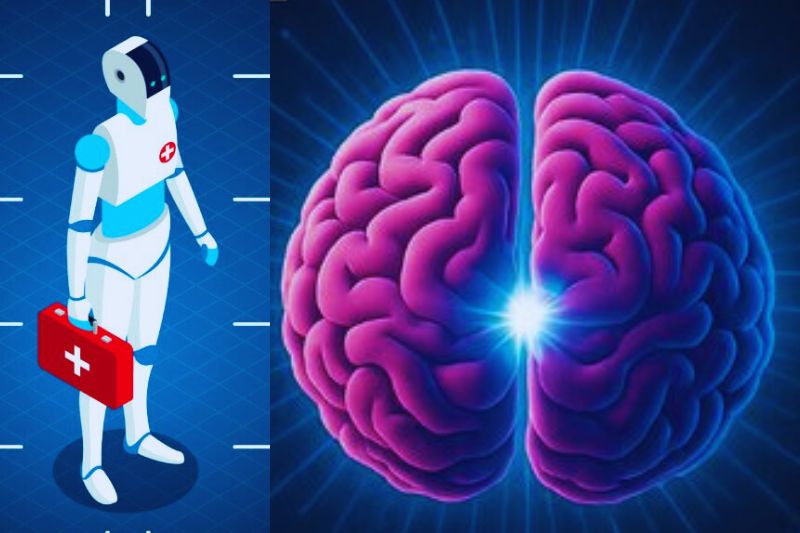
The UAE is quickly stepping up as a digital health powerhouse, and right at the center of this surge is artificial intelligence. Not long ago, people saw AI as a fancy extra, but now, it’s a must-have for doctors, nurses, and emergency teams. Patient demand keeps climbing, everyone expects more accuracy, and the government is all in on smart healthcare. So, AI isn’t some high-tech luxury anymore. It’s become a core tool. Stay updated with the latest in innovation — explore our dedicated tech section.
But let’s get something straight: AI isn’t here to take jobs away from healthcare workers. It’s here to make their jobs better—faster, safer, and smarter.
Speed and Accuracy in Diagnostics
One of the biggest reasons AI matters in UAE healthcare is how fast it analyses medical images and lab results. Radiologists use AI to catch diseases early—like cancer—spot weird patterns in X-rays and scans, and double-check results every second, cutting down on mistakes. Since the UAE puts a lot of focus on early detection and prevention, this tech helps doctors make quick, spot-on decisions, especially when time is tight.
Handling the Patient Rush
Walk into a hospital in Dubai or Abu Dhabi, and it’s clear—thousands of patients roll through every day. Without digital backup, the workload would drown any team. AI steps in to help with scheduling, triage, predicting patient flow, flagging urgent cases, and automating all the paperwork that usually eats up precious time. This means doctors and nurses get to spend more time where they’re needed most: with the patients. Nurses especially get a boost from AI that tracks vital signs, warns about risks, and sends emergency alerts when every second counts.
Smarter Patient Monitoring and Predictive Care
Wearables and AI-powered monitors are changing how people are watched over, both in the hospital and at home. These devices track things like heart rate, oxygen, and blood sugar in real time. They can spot trouble hours before symptoms show up and keep doctors in the loop with instant updates. For chronic conditions—think diabetes or heart and lung problems, which are all too common in the UAE—AI helps stop crises before they even start.
Better Hospital Operations
No hospital runs smoothly without a solid system behind the scenes, and AI is now the backbone. Hospitals use it to manage digital records, track beds, handle medications, and plan resources for busy times. AI policy in the Middle East and steady artificial intelligence regulation. This kind of automation cuts down on delays, moves patients through faster, and just makes the whole place run better.
Training for the Future
Doctors and nurses in the UAE keep raising the bar, thanks to AI-driven training. With VR simulations, digital diagnostic tools, and interactive modules, healthcare teams get hands-on practice, real-time feedback, and a chance to learn new skills anytime—no need for a physical lab. This keeps everyone sharp and up to date, especially in tough areas like surgery or emergency care.
AI and the UAE’s Big Health Vision
The UAE government is betting big on AI. The plan? AI-ready hospitals, robotic surgeries, smart clinics—the works. They want the UAE to set the global standard for digital healthcare. For that to happen, everyone in the system needs to be comfortable with AI tools in daily practice. We’re not talking about some distant future. AI is already woven into the everyday routine.
Adapt and Lead
AI isn’t just trimming workloads or improving accuracy—it’s making healthcare better and saving lives. For UAE healthcare workers, learning AI isn’t just about keeping pace with tech. It’s about taking care of people, making a real difference, and shaping what medicine looks like tomorrow.
In the UAE’s fast-moving healthcare world, AI isn’t optional. It’s the new normal.


Nobel Prize 2026 Winners Full List Categories and Achievements

From Abu Dhabi to Brussels: Europe’s Growing Focus on the Muslim Brotherhood and Cross-Border Security

Top 10 Staycations and Overseas Trip Options for UAE Families During Nine Day Half Term School Break

UFC Fight Night Doha Tickets Go on Sale: Guide on Ticket Price, How to Buy Tickets and Attend the Event

Saudi Aviation Authority Confirms 1 Dead, 11 Injured on Sunday Riyadh Airport Attack

UAE Flight Suspensions Extend Across Saudi Arabia
-

 Entertainment3 days ago
Lusail Circuit Opens Volunteer Applications for 2026 MotoGP and Formula 1
-
 Reports3 days ago
UAE and Saudi Arabia Seek to Strengthen Rail and Infrastructure Integration
-
 Reports3 days ago
Kuwait Urges Unified Global Response to Terrorism and Financing
-
 News3 days ago
Trade Deal Talks Concluded Between UAE and Thailand