News
Two Mandatory Pit Stops Will Reduce Qatar GP Strategy Options, Say Drivers

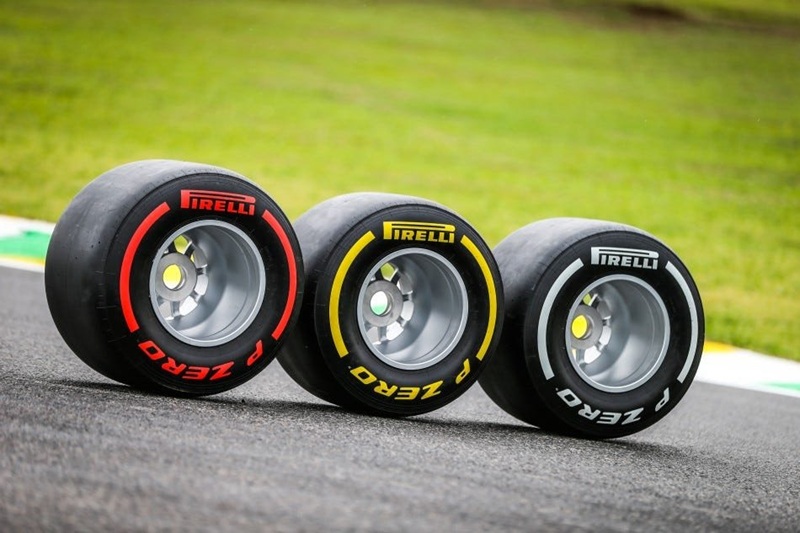
Queuing two compulsory pit stops will limit the strategies of Qatar GP, as drivers say, posing a challenge never seen before by the teams and the drivers this weekend. As Pirelli has limited the tyre stint to 25 laps on safety grounds, the two compulsory pit stops will limit the Qatar GP strategising of teams, say drivers since they will no longer be as free to experiment with managing the tyres. Some think that the race will be more predictable, others feel that it can be physically straining because it is a high intensity event. With Qatar in preparation, questions on how this temporary rule will define racing and competition keep on being debated.
Why the New Rule Exists
The rule was suggested by Pirelli after fears that the tyres can fail in case they are subjected to full race with few stops. In order to avoid the danger, F1 granted a restriction according to which no tyre set should pass through more than 25 laps. Consequently, two compulsory pit stops will limit the number of Qatar GP strategy possibilities, according to the drivers, particularly to teams which were accustomed to the least possible number of pit stops to win time.
Franco Colapinto stated that teams will most probably not risk any experiments since a Safety Car can easily undermine the strategic gains. When a driver has already done a stop and a Safety Car shows up, it is lost.
Drivers Expect Less Strategic Variety
Colapinto also pointed out that the regulation, though needed to ensure safety, will squeeze the field strategy-wise. The two compulsory pit stops will limit the strategies that the Qatar GP can employ, according to the drivers, as most of the teams will adopt the same order. This, he reckons, may turn the race to be physically challenging as drivers will be pushing at a higher rate of intensity until the end instead of taking care of tyres. He further said that this is due to the intense layout of Qatar, which has long and high-speed turns that will increase fatigue. Nevertheless, he is hopeful of a competitive race.
Concerns About Forced Strategies
The FIA had earlier affirmed that it could investigate the possibility of having a permanent two-stop regulation in Formula 1. Carlos Sainz is however not convinced. Sainz says that the finest races are the ones where the driver is able to make one, two or even three stops. In cases where the FIA makes two stops like in Monaco this season, teams will instruct drivers to drive more slowly to comply with the rule and this will lower the quality of racing. According to Sainz, the two compulsory pit stops will limit the choices of strategies of the Qatar GP race, according to the drivers, as every team will end up having almost the same plan of tyre usage. The ability to be flexible in the wear and the degradation of tyres is exciting, which can not be achieved under this rule.
Past Qatar Experiences Add Context
Qatar has further limited this to 18-lap maximum stint in 2023 resulting in three stops. The race itself was very difficult, and Logan Sargeant had to retire due to exhaustion, and Esteban Ocon had to vomit in the cockpit. The 2021 race will be not as dramatic because of cold weather, yet George Russell is sure that drivers will experience some pressure. Although the weather is expected to be cool, Russell accepted that the two compulsory pit stops will narrow the range of Qatar GP strategies, according to the drivers, but says that safety should be the first consideration.
Will This Rule Work Long-Term?
The majority of drivers do not object to the fact that this is a temporary change that can be accepted as a rule but not as long as possible. They also demand that F1 requires strategic diversity to come up with memorable races. The paddock is now content to accept the rule as it must, but it hopes that the race in the future will revert to the old tact of being flexible in their pits.





Nobel Prize 2026 Winners Full List Categories and Achievements

From Abu Dhabi to Brussels: Europe’s Growing Focus on the Muslim Brotherhood and Cross-Border Security

Top 10 Staycations and Overseas Trip Options for UAE Families During Nine Day Half Term School Break

UFC Fight Night Doha Tickets Go on Sale: Guide on Ticket Price, How to Buy Tickets and Attend the Event

Saudi Aviation Authority Confirms 1 Dead, 11 Injured on Sunday Riyadh Airport Attack

UAE Flight Suspensions Extend Across Saudi Arabia
-

 Reports3 days ago
UAE and Saudi Arabia Seek to Strengthen Rail and Infrastructure Integration
-
 Entertainment3 days ago
Lusail Circuit Opens Volunteer Applications for 2026 MotoGP and Formula 1
-
 Reports3 days ago
Kuwait Urges Unified Global Response to Terrorism and Financing
-
 News3 days ago
Trade Deal Talks Concluded Between UAE and Thailand