Business
UAE Establishes Future of Investment and Trade (FIT) Partnership with 13 Countries

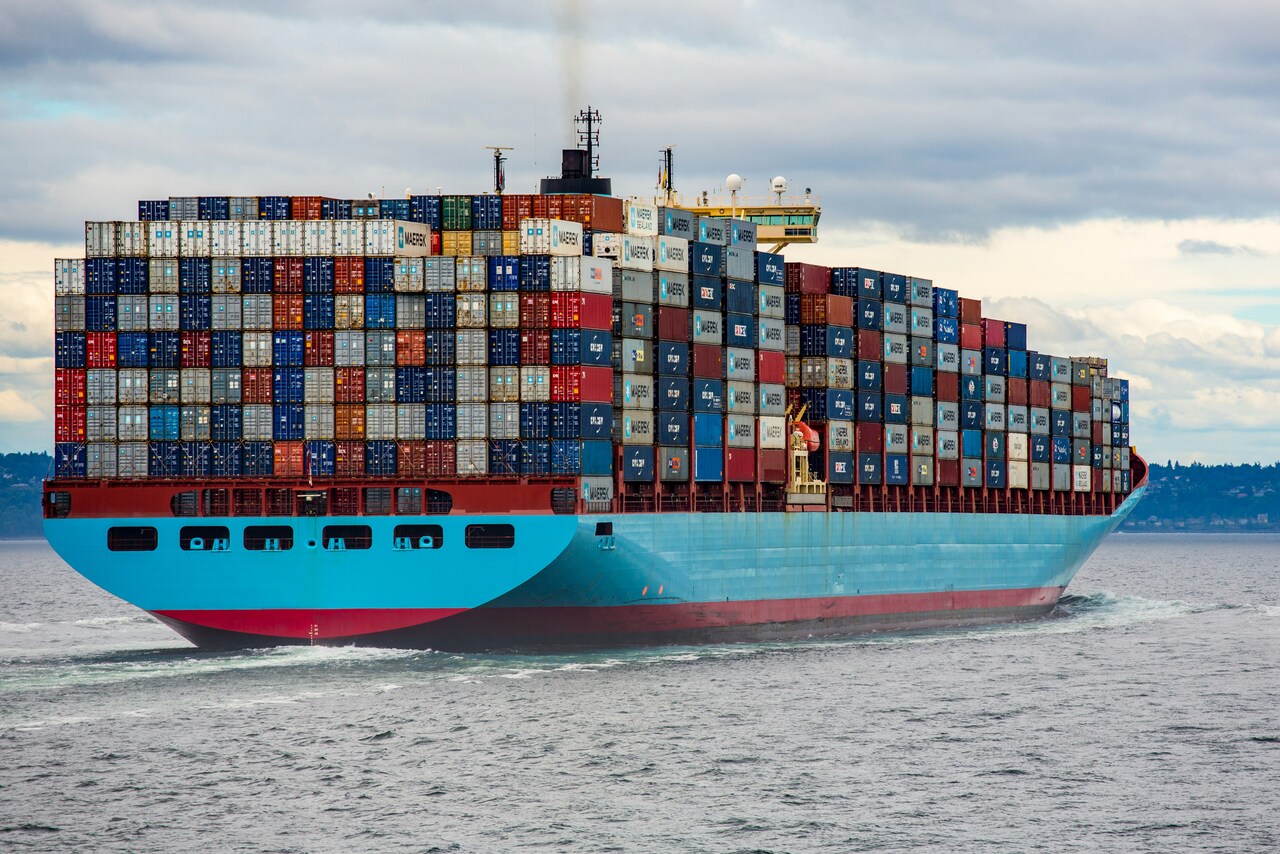
The United Arab Emirates (UAE) and 13 partner countries have introduced the Future of Investment and Trade (FIT) Partnership, which is a multilateral project aimed at fostering open and rules-based trade and investment cooperation. The partnership, which is announced by a Joint Declaration, unites the countries of various continents, aiming to make them economically resilient, improve foreign direct investment, and resolve contemporary trade issues. FIT is focused on inclusive growth and sustainable development against the background of increasing protectionism, tariffs, and economic uncertainty, and with the long-term vision of the UAE to increase its presence in global trade.
A Global Collaboration for Free and Open Trade
The founding members of the FIT Partnership are the UAE, Brunei, Chile, Costa Rica, Iceland, Liechtenstein, Morocco, New Zealand, Norway, Panama, Rwanda, Singapore, Switzerland, and Uruguay. Combined, these 14 nations aim to promote multilateral economic activity in the world that is experiencing the disruptions of tariff disputes and economic fragmentation in the global trade arena.
The Ministry of Foreign Trade of the UAE underlined that the problem of trade and investment, present and up-to-date, will be addressed by FIT. Some of the objectives of the initiative are to ensure that the supply chains are made stronger, to eliminate non-tariff barriers, to find methods of encouraging investment flows across borders, and to adopt emerging technologies. Moreover, FIT will facilitate intergovernmental discussions on politics to make sure that the businesses are at the center of determining the future trade opportunities.
World trade is not out of its problems, and the growth of world trade is projected at 0.9% by the World Trade Organisation (WTO) in the year 2025, whereas it is projected to be 2.7% before the tariffs. The UAE and partners consider free trade a key to stability and prosperity in the world, as restrictions on trade can undermine growth, increase inflation, and unemployment. FIT tries to mitigate such risks by enhancing collaboration and resilience in the trade environment.
UAE’s Expanding Role in Global Trade
In the case of the UAE, the FIT Partnership is the extension of its wider policy of economic diversification and international trade. Non-oil foreign trading in the country increased by close to a quarter in the first half of 2025 and stood at more than Dh1.73 trillion ($470 billion), which is twice that of 5 years ago. This high performance was a major leap over the global average growth of only 1.75 percent in trade in the same period of time.
Through the leadership of initiatives like FIT, the UAE nurtures its position of connecting the regions and becoming a place of global business. The partnership does not end with its founding members, and it is likely to invite more countries in the future, extending its scope and influence.
The active participation of the UAE in the conditions of global uncertainty is indicative of the country’s efforts to endorse open markets and joint trading systems. FIT also places the UAE in the role of a visionary leader in the formation of global economic cooperation and offering its partners new ways to develop sustainably and inclusively.
These developments, spotlighted in Gulf Economy News and oil Trade, demonstrate more than policy—they reveal genuine collaboration, trust-building, and shared prosperity for people and businesses in the region and beyond.



Dubai 7s 2026 Tickets Go on Sale: Dates, Prices and How to Book

Qatar Names 243-Athlete Team for Aichi-Nagoya 2026 Asian Games

The Mecca Defence Pact Is Built on Convenience. Can It Last?

H.H. Sheikh Mohammed Visits ADIHEX 2026, Celebrating UAE Heritage, Hunting and Equestrian Culture

Makkah Defense Pact: Strategic Committee to Hold First Meeting in Istanbul

UAE Expands Gaza Relief Efforts With New Aid Convoys Under Operation Chivalrous Knight 3
-

 News1 week ago
Global Humanitarian Leaders Gather in Dubai to Shape Future of Aid Ahead of DIHAD 2026
-
 News6 days ago
MBS and Macron Chair First Saudi-French Strategic Partnership Council Meeting in Paris
-
 Reports1 week ago
UAE and Egypt Strengthen Energy Partnership With New Drilling Plans
-
 Entertainment1 week ago
A Parent’s Guide to Visiting Panda House Park in Al Khor