News
UAE Minister Highlights Community Empowerment as Humanitarian Aid Faces Funding Crisis

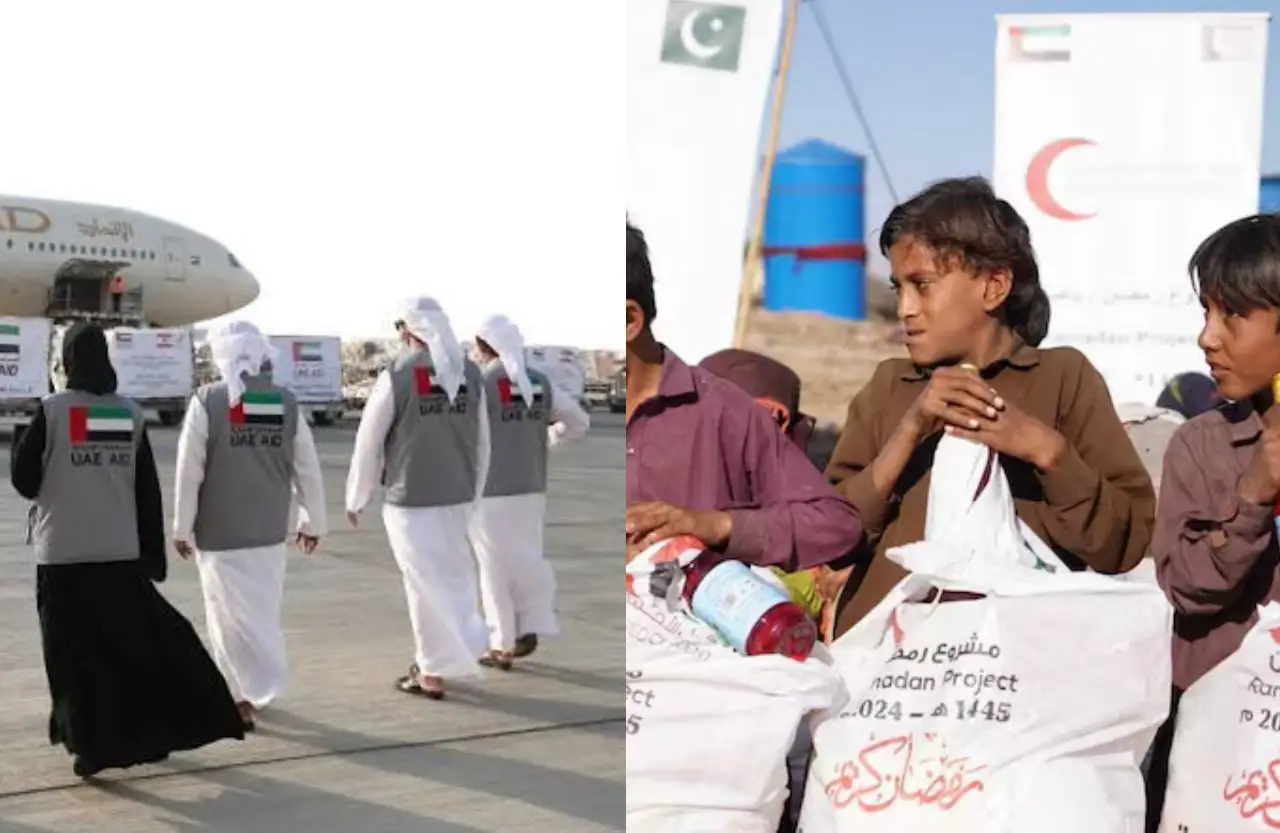
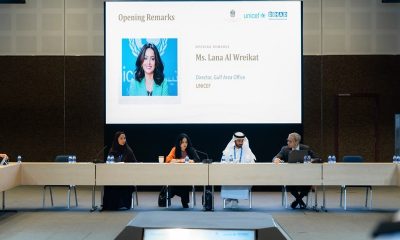
As international aid groups are facing increasing funding challenges, the UAE has urged a whole restructuring of humanitarian assistance. UAE Minister of State, Dr. Maitha bint Salem Al Shamsi, emphasized the importance of placing affected communities at the heart of relief and development at the 22nd DIHAD 2026 Conference.
Her words were delivered as humanitarian groups grapple with an increasing gap between the number of emergencies and their resources to cope. She was advocating policies aimed at assisting communities to build the skills, resources and economic ability to be more self-reliant and not merely emergency services recipients.
From Aid Recipients to Community Partners
Dr. Al Shamsi noted that traditional short-term relief measures are not a sustainable solution for a recurring conflict-prone area where the people continue to face natural or man-made disaster on a continual basis. There is a need to prepare communities in advance of a crisis, by creating opportunities for skills development, within local economies, and through strengthening preparedness systems.
This could be a way for humanitarian programmes to break out of the cycle of providing food, shelter and medical aid. Investment in local people and their human capacities can enable people to take an active role in the rebuilding of their communities and lessen reliance on outside help.
Empowering Women in Crisis-Affected Communities
Another significant part of the minister’s message was on the nation and the power of women’s empowerment. She noted initiatives that Sheikha Fatima bint Mubarak supports, such as one where vulnerable communities are trained women to deliver vital health care services.
In Mauritania, training local women as midwives is an example of how humanitarian programs can simultaneously address the needs of the community and build skills for the future. Other areas that are prone to crises could benefit from a similar program in the areas of health care, disaster preparedness and economic resilience.
Technology and Sustainable Funding Take Centre Stage
From this funding shortfall humanitarian actors are pursuing different funding models. This is what was seen during the launch of the Awqaf Dubai Endowment Fund for Humanitarian Action and the DIHAD Endowment Fund for Humanitarian Action at DIHAD 2026 where the potential of sustainable endowments for considerable longer-term support was seen.
It can also be used effectively to enhance preparedness, communication, training, and accessing of resources during crisis. There is an opportunity to synergize the use of digital tools with locally-led programmes to maximize the impact of humanitarian action with constrained resources.
Why Community-Led Humanitarian Action Matters?
The discussions on resilience at DIHAD 2026 will move away from the traditional emergency response focus to a broader shift to resilience. Local communities are often better placed to understand their own problems than external bodies and can be effective partners if they are given the right resources and training.
The message highlights the UAE’s continued focus on humanitarian diplomacy and sustainable development. Community empowerment might increasingly become an integral part of the international humanitarian system in the face of funding pressures everywhere in the world.
FAQs
What did Dr. Maitha Al Shamsi say at DIHAD 2026?
Dr. Al Shamsi highlighted the need to develop humanitarian initiatives for affected communities with the aim of empowering these communities and not only acting as the recipient of humanitarian aid.
What is the cause of the pressure on humanitarian funding?
The world continues to need more humanitarian aid, and the funding and in-country resources are still insufficient to meet the needs of the world.
What does it take to make communities more resilient?
Vocational training, health and hygiene education, economic opportunities, disaster preparedness and access to proper technology can improve the durability of the community.





UAE Encourages Food Industry to Participate in Global Water Dialogue

Kuwait Urges Unified Global Response to Terrorism and Financing

Trade Deal Talks Concluded Between UAE and Thailand

Etihad Suspends Riyadh Flights After Houthi Attacks

Lusail Circuit Opens Volunteer Applications for 2026 MotoGP and Formula 1

UAE and Saudi Arabia Seek to Strengthen Rail and Infrastructure Integration
-
 Reports8 hours ago
UAE and Saudi Arabia Seek to Strengthen Rail and Infrastructure Integration
-
Entertainment7 hours ago
Lusail Circuit Opens Volunteer Applications for 2026 MotoGP and Formula 1
-
 News1 week ago
Inside Story of the Dubai-to-Tel Aviv Flydubai Emergency Diversion
-
 Entertainment1 week ago
10 Must-See Concerts and Shows Coming to UAE This October