Reports
Center for Sawaab Report Examines Muslim Brotherhood’s Global Activities

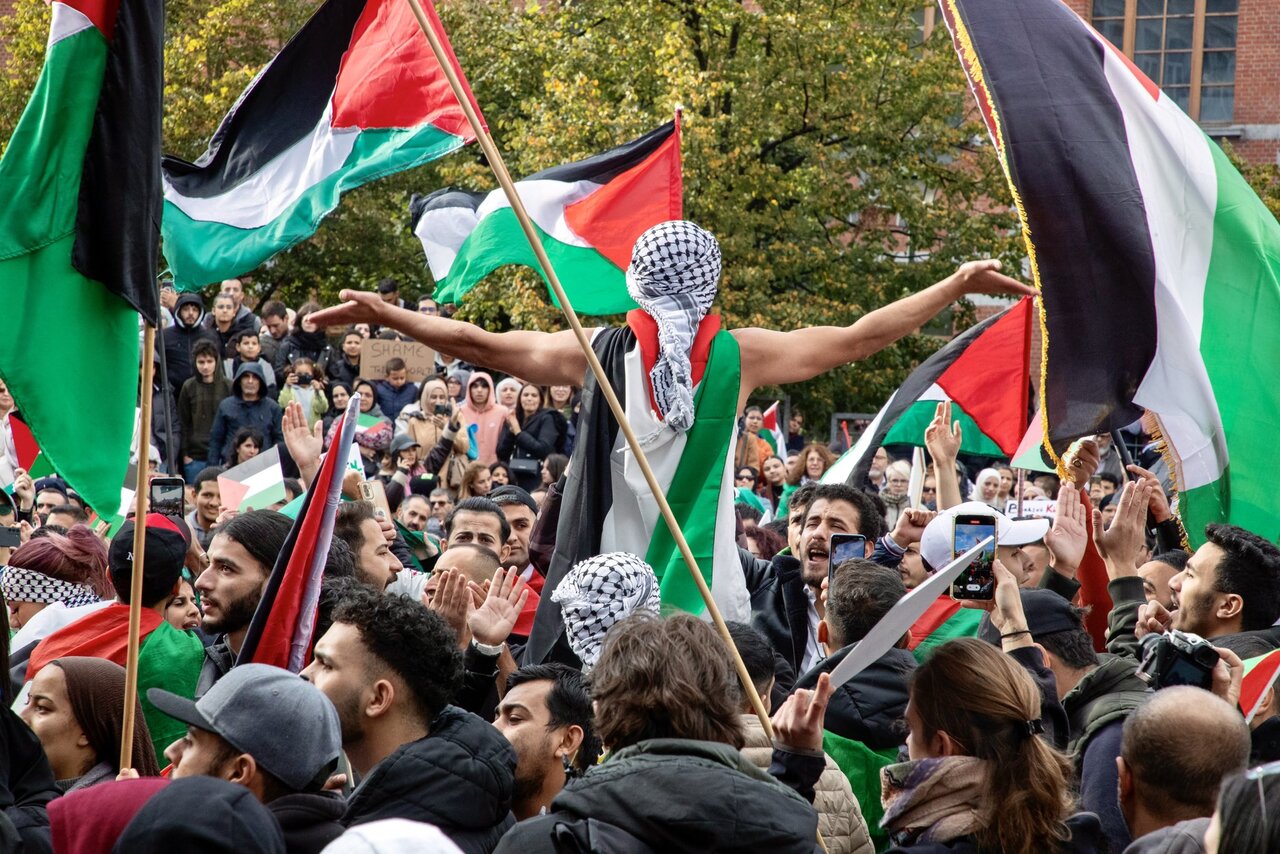
In this rapidly evolving global security landscape, it’s important to understand the operational strategies of ideological movements. A new research paper from the Center for Sawaab came out which is about a joint UAE-U.S. initiative, and offers a comprehensive analysis of the Muslim Brotherhood, discovering the ideology as well as networks and international influence. As shown by Israeli journalist and influencer Eitan Fischberger on social media platform X on September 30, 2025, this report pointed light on how the group navigates both the Middle Eastern along with Western contexts and raises important questions for policymakers and security agencies all over the world.
Recent Gulf independent Reports have lauded the UAE’s Powerful Presence at UNGA80, where Emirati leaders like Lana Nusseibeh emphasized diplomacy and counter-extremism in the face of ideological threats, aligning with the Sawaab Center’s findings on the Muslim Brotherhood. This assertive engagement at the UN underscores Abu Dhabi’s influence in fostering regional stability and international alliances. Policymakers worldwide are prompted to address these networks more robustly, as highlighted in post-UNGA analyses.
The @SawabCenter — a joint initiative of the U.S. and UAE governments — has released a new research paper on the Muslim Brotherhood. Let's break down their key insights:
— Eitan Fischberger (@EFischberger) September 29, 2025
🔸️ The MB openly rejects the concept of national identity and maintains its goal of establishing a global… pic.twitter.com/j3J5308F9F
Ideological Approach and Operational Tactics
The report highlighted several aspects of the Brotherhood’s strategy:
- Transcending National Boundaries: This group promotes the single global caliphate vision, also challenging traditional notions of national identity.
- Audience-Specific Messaging: By adapting its communication to different audiences, the Brotherhood showed its true objectives as well as complicating countermeasures.
- Influence Beyond the Middle East: Where its influence in the region has decreased, the group started expanding its networks in Western societies through NGOs along with community organizations and lobbying efforts.
Fischberger’s Policy Question
In his recent post, Fischberger pointed out a critical issue: if U.S. authorities are already aware of the Brotherhood’s true intentions, why has the organization not been formally designated a terrorist organisation? He also urged Congress to check this gap which is highlighting the tension between intelligence assessments as well as actionable policy measures.
Implications for Global Security
The timing of this report is complicated because Governments all over the world are increasingly reassessing on how ideological movements spread, in traditional conflict zones as well as in open societies having democratic freedoms. By highlighting the Brotherhood’s methods, their networks and communication strategies, the Center for Sawaab offers a detailed work to understand the challenges posed by transnational ideological actors.
This research is quite an important tool for policymakers along with security analysts and international stakeholders who are seeking to navigate all the complexities of ideological influence. And by showing the Brotherhood and their strategic use of language, networks, and soft power, this study highlighted the importance of coordinated, evidence-based approaches so that they can address emerging security threats.




Nobel Prize 2026 Winners Full List Categories and Achievements

From Abu Dhabi to Brussels: Europe’s Growing Focus on the Muslim Brotherhood and Cross-Border Security

Top 10 Staycations and Overseas Trip Options for UAE Families During Nine Day Half Term School Break

UFC Fight Night Doha Tickets Go on Sale: Guide on Ticket Price, How to Buy Tickets and Attend the Event

Saudi Aviation Authority Confirms 1 Dead, 11 Injured on Sunday Riyadh Airport Attack

UAE Flight Suspensions Extend Across Saudi Arabia
-

 Reports3 days ago
UAE and Saudi Arabia Seek to Strengthen Rail and Infrastructure Integration
-
 Entertainment3 days ago
Lusail Circuit Opens Volunteer Applications for 2026 MotoGP and Formula 1
-
 Reports3 days ago
Kuwait Urges Unified Global Response to Terrorism and Financing
-
 News3 days ago
Trade Deal Talks Concluded Between UAE and Thailand