Opinion
Can the GCC Railway Become the Backbone of a More Integrated Gulf Economy?

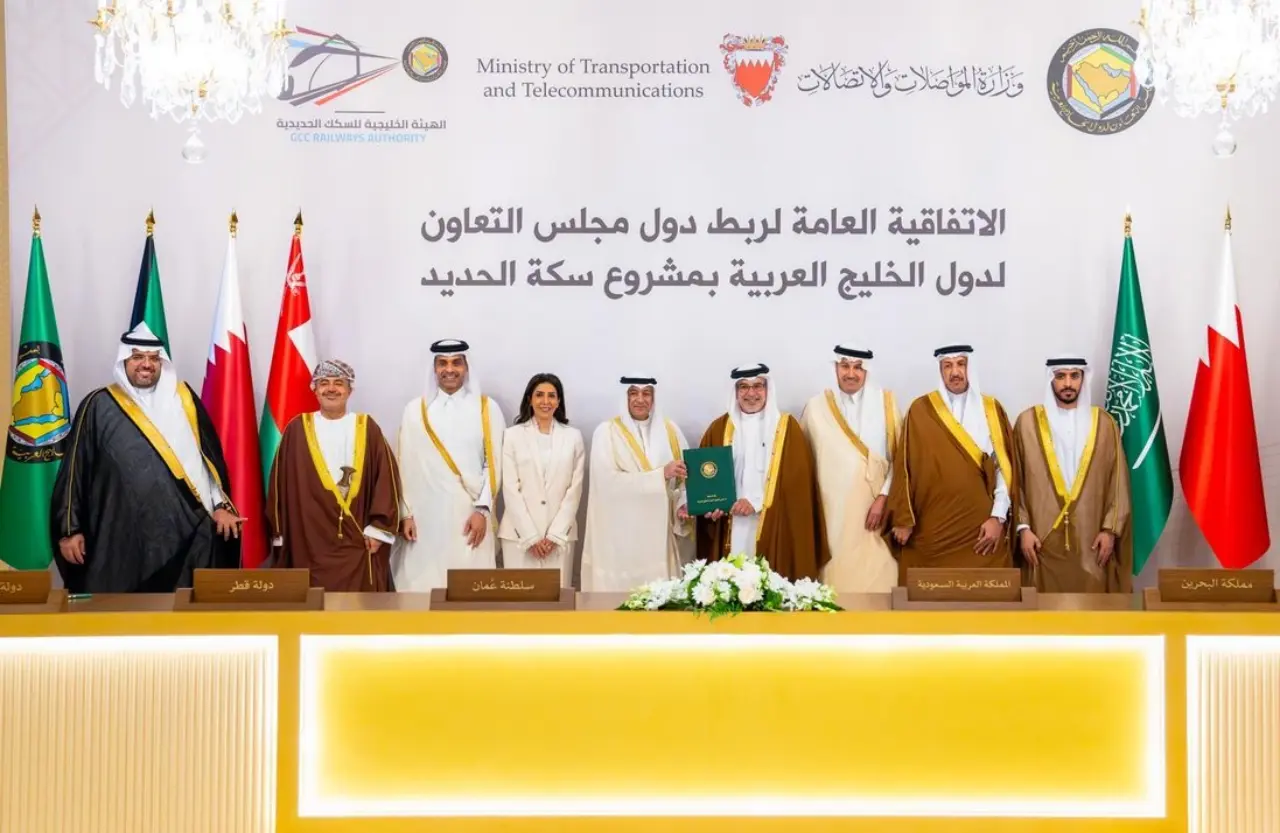
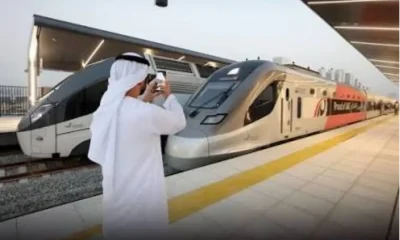
GCC Railway may prove to be one of the most exciting and impactful infrastructure initiatives in the region, linking together six countries through a common transportation network. The construction works are now at 55.92% in November 2026, and the common operating framework has been signed by all the six contracting states, bringing a new momentum to the project.
However, the true added value can only be realised if governments can leverage the physical connections by December 2030 into a smooth form of cross-border trade, logistics and mobility.
GCC Railway Integration Could Reshape Regional Trade and Logistics
The most convincing case that can be made for the railway is transforming the links between major ports, industrial centres and free zones and commercial cities in the Gulf. An effective overland freight network could offer an alternative to road freight and maritime options for businesses in order to diversify supply chains and lessen the impact of congestion and shipping disruptions.
Industries that may process big quantities of building materials, petrochemicals, aluminium and manufactured goods would surely gain from more routine regional links. This is especially true while GCC economies make the effort to diversify into non-oil trade, and to build more robust regional production networks.
Rail won’t permanently replace ships or trucks, but it has the potential to help integrate ports and logistics hubs into a more efficient system, allowing them to be better linked with other parts of the country.
GCC Railway Integration Gains Momentum Through Shared Rules
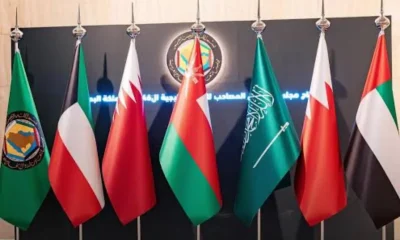
On 8 November 2026, all six GCC states signed an agreement in Manama that is an important institutional step. Its thematic approach covers implementation, technical integration, coordination, establishing areas of connectivity and no less important, shared rules as a cross-border railway has to be distributed as much as built.
The overall rate of project completion was 55.92%, while 73.46% was achieved in the engineering design process and 66.06% in land acquisition, and 94.45% in the route reserve process. The on-going civil works now are 43.22% complete, rail works at 39.61 per cent and signalling and communications at 43.06%.
These numbers represent improvement and progress as well as goals still to meet. It is possible to achieve the December 2030 target only if the projects of the National scale are coordinated and if the common frame is made a practice.
GCC Railway Integration Depends on Interoperability at Borders
The greatest challenge might lie at the juncture of two national railways. Variations in signalling, train control, certification, maintenance, and operating hours may result in delays or expensive changes of trains.
Customs and the border inspection poses a second hurdle: the competitiveness of a cargo service is quite diminished when cargo is constantly kept ‘standing before’ lengthy clearance between member states. Before the network is fully operational, however, the governments need to harmonize documentation, safety provisions, customs procedures and freight operations.
Competitiveness of the business is important as well. Transparent pricing requirements, dependable schedules and efficient connections for the entire rail journey from the point of origin to destination will be required by the rail operator. If left unimproved, the railway will become six regional and national railways instead of one single, unified Gulf corridor.
GCC Railway Integration Can Support a More Connected Gulf Future
For cities, there is the possibility of an additional mode, connecting cities, for complementing the transportation function and generating additional competitive possibilities in tourism, business travel and the mobility of labour. Some form of ticketing, synchronization of services and consistent timerings and timetables, however, will be needed to make traveling across the border more convenient.
Beyond their economic functions, railways have a strategic significance, as they provide other forms of transportation as an alternative and increase the resilience of the supply chain. Its achievement will most importantly be judged not only on the length of track built, but on the delivery times, reduced logistics cost and greater regional trade and easier movement between member states.
The new operating agreement is laying a foundation, and the 2030 deadline provides governments with a shared time deadline. The GCC Railway may provide a viable framework and liability insurance to back economic integration, if it continues to invest and settle the regulatory and technical issues. Without, its corridors could link two nations physically without a tangible measure of replacing markets.








Sheikh Abdullah Holds Series of Meetings with Global Officials

UAE Pledges $30,000 for Least Developed and Small Island Nations

Dadu Gardens Reopens in Doha: 10 Activities Children Can Enjoy This Season

Nvidia Restores Jensen Huang as CEO Days After Resignation

UAE President Holds Talks with Fujairah Ruler on National Affairs

UN Approves Triennial Water Conferences Under UAE Senegal Initiative
-

 News1 week ago
Qatar Expands Public Transport Access with Nine New Metrolink Routes
-
 Reports1 week ago
Two Houthi Drones Intercepted Over Makkah, Third Downed Near Madinah
-
 News1 week ago
Putin Thanks UAE for Supporting Dialogue Between Russia and Ukraine
-
 Uncategorized1 week ago
Bahraini Officials Explore UAE AI Security Operations