Dubai
Dubai Humanitarian’s Ebola Airlift Reinforces the UAE’s Role as a Global Humanitarian Response Hub

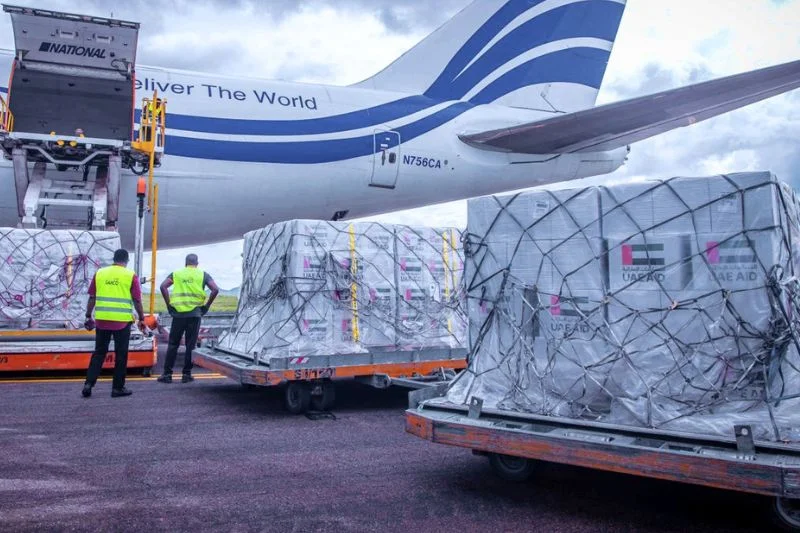
Humanitarian assistance is no longer just about how much aid is promised, or the numbers on paper. These days, in an era of quick health emergencies and sudden natural disasters , it also comes down to whether someone can move supplies in real time and stitch together a bunch of international collaborators at once.
Dubai seems to be placing itself more and more in the middle of this newer approach. Its recent emergency airlift, backing Ebola response work in the Democratic Republic of the Congo, shows pretty clearly that logistics infrastructure isn’t a “nice to have” anymore. It is basically part of how global humanitarian action actually happens.
Building a Humanitarian Supply Chain
In emergency health situations, the need is immediate for medicines, protective gear, lab necessities, and other essential relief items. Even delays of a few days can badly push back containment efforts, and that alone can put more pressure on healthcare systems that are already fragile.
By enabling yet another humanitarian airlift, under the directives of Sheikh Mohammed bin Rashid Al Maktoum, Dubai Humanitarian has strengthened its position as a kind of platform that helps critical supplies travel fast from international organizations to places dealing with urgent public health problems.
Unlike the old style, where a single entity acts as the provider , Dubai is functioning more like an operational connector, linking humanitarian agencies with communities that need help right away.
A Partnership-Driven Response
A key aspect of the mission is how it’s built around teamwork. International organizations, regional partners, aviation capacity, and humanitarian logistics networks align together to form a response that can handle both geographical hurdles and day to day operational obstacles.
Overall , this approach points to a wider shift in humanitarian work , where outcomes depend more on shared arrangements and coordination, instead of one lone actor trying to do everything alone.
Governments, multilateral organizations, and relief agencies are somehow combining different kinds of expertise, to make sure essential supplies get to frontline medical teams as fast as they can, with the least friction.
That kind of teamwork is becoming more and more important, since disease outbreaks quite often go beyond one country’s borders and they basically demand coordinated international action.
Why Logistics Matter in Global Health?
Medical know-how, plus financial means still sit at the core of outbreak response, but honestly neither one works well without dependable logistics.
Aircraft, warehousing facilities, customs coordination and those regional distribution networks, they end up deciding just how quickly humanitarian help lands on affected populations.
Modern humanitarian hubs take on a strategic role in strengthening global health security by cutting response times and making operations more ready, like right away. Dubai has been investing for years, building specialized infrastructure that lets humanitarian cargo be mobilized quickly across Africa, Asia, and other regions dealing with emergencies.
Expanding the UAE’s Humanitarian Footprint
The most recent Ebola support mission shows a wider humanitarian philosophy, one that leans toward action, preparedness, and shared international cooperation.
The UAE has been putting more attention on creating systems that enable swifter responses to crises, instead of restricting contribution to financial assistance. This covers emergency healthcare operations, disaster relief missions, food security initiatives, and logistics partnerships with global organizations too.
In the end, the whole approach treats humanitarian infrastructure as a long-term commitment, something that helps resilience for the next emergencies, while still supporting immediate relief efforts today.
A Model for Future Crisis Response
Global health emergencies are getting more complex, so people are needing faster decisions and really stronger international coordination, even when everything feels messy. Since climate events, conflicts and disease outbreaks keep stacking up, humanitarian systems are getting stressed from every side, and the logistics hubs that can mobilize assistance quickly will end up mattering even more in the wider response frameworks.
Dubai Humanitarian’s latest operation kind of shows how smart infrastructure, plus shared partnerships, can turn humanitarian promises into real-world results. By linking international organizations with rapid deployment capabilities, the UAE keeps contributing to a more agile, and more coordinated approach to emergency response that really focuses on speed, cooperation, and making sure life-saving help arrives on time, without delays that cost weeks.
Explore More Must-Reads
What Drives Vision 2030 EV Growth?
Explore how electric vehicles are shaping a greener GCC future under Saudi Arabia’s Vision 2030 initiatives.
Which Mega Projects Lead Vision 2030?
Discover the most ambitious mega projects transforming Saudi Arabia’s landscape and economy.
How Budget 2026 Supports Vision 2030?
Check how Saudi Arabia’s 2026 budget fuels growth and revenue under Vision 2030 plans.
How Vision 2030 Changes Gulf Jobs?
Explore how Vision 2030 is reshaping job markets and career opportunities across the Gulf region.
What Defines Riyadh’s Vision 2030 Lifestyle?
Discover how urban development is transforming lifestyle and living standards in Riyadh.


Nobel Prize 2026 Winners Full List Categories and Achievements

From Abu Dhabi to Brussels: Europe’s Growing Focus on the Muslim Brotherhood and Cross-Border Security

Top 10 Staycations and Overseas Trip Options for UAE Families During Nine Day Half Term School Break

UFC Fight Night Doha Tickets Go on Sale: Guide on Ticket Price, How to Buy Tickets and Attend the Event

Saudi Aviation Authority Confirms 1 Dead, 11 Injured on Sunday Riyadh Airport Attack

UAE Flight Suspensions Extend Across Saudi Arabia
-

 Reports3 days ago
UAE and Saudi Arabia Seek to Strengthen Rail and Infrastructure Integration
-
 Entertainment3 days ago
Lusail Circuit Opens Volunteer Applications for 2026 MotoGP and Formula 1
-
 Reports3 days ago
Kuwait Urges Unified Global Response to Terrorism and Financing
-
 News3 days ago
Trade Deal Talks Concluded Between UAE and Thailand