News
A Diplomatic Turn: UAE and Iran Talk About De-escalation

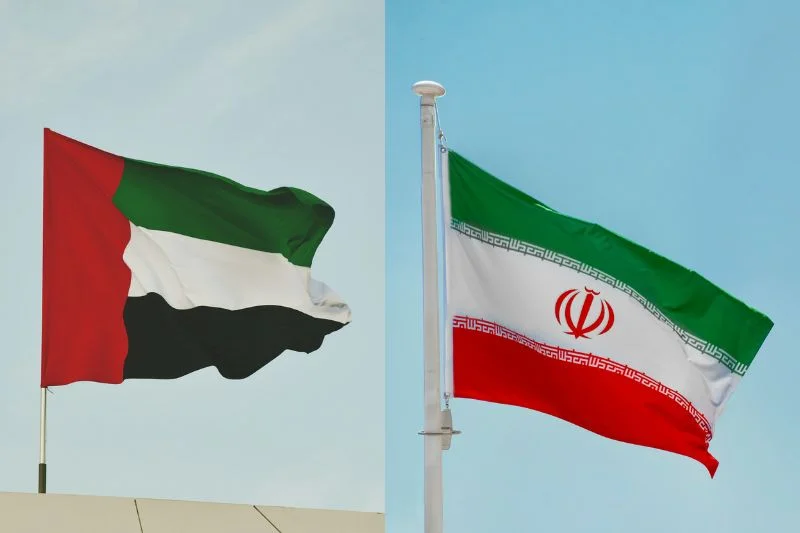
The United Arab Emirates has been involved in an unprecedented, high-level dialogue with Iranian officials that seeks to de-escalate tensions in the region, a major change in the Middle Eastern geopolitical situation. This diplomatic initiative is very timely, as there has been an escalation of tension in recent times that has resulted in cross-border animosity earlier this year. By mid-April 2026, both countries seem to be considering a tentative re-entry into the negotiating table to safeguard the stability of the region and economic interests.
The First Top-Level Meeting Since Enmity.
The greatest news in this diplomatic effort was on April 15, 2026, when UAE Vice President Sheikh Mansour bin Zayed Al Nahyan made a high-profile telephone conversation with Mohammad Bagher Qalibaf, the Iranian Parliament Speaker. The state-run Emirates News Agency (WAM) reported that the discussion was specifically about regional developments and how to defuse tensions.
International observers generally see this as the first significant diplomatic overture to be made between Abu Dhabi and Tehran since the localized hostilities were first broken in February. The reopening of dialogue is an indication that it has left behind the hawkish language of early March and is strategically positioning itself to shield the position of the UAE as a financial and logistics hub in the region in case of a wider regional conflict.
Debriefing Objectives and De-escalation
The UAE strategy towards the ongoing crisis is based on the principles of a calculated neutrality policy. In January this year, the UAE Ministry of Foreign Affairs once again ratified that it would not permit its airspace, territory, or territorial waters to be used to engage in any hostile military acts against Iran. This position highlights the general objective of the UAE: to avoid the full-scale war, which may destabilize the global energy markets and critical shipping routes, including the Strait of Hormuz.
The major pillars of the de-escalation strategy of the UAE are:
- Diplomatic Resumption: Restoring diplomatic links that were cut after drone and missile attacks in late February.
- Economic Protection: The priority on the stability of the oil prices and the security of international maritime transport.
- Regional Mediation: Making available regional mediation efforts, such as high-stakes peace missions with regional neighbors such as Pakistan.
Looking Forward: A Slender Road to Peace.
Although the phone call between Sheikh Mansour and Speaker Qalibaf is a good move, the road to sustainable peace is a sensitive one. The talks are accompanied by a wider global campaign to achieve a uranium enrichment moratorium and lift the current US-led naval blockade in the area.
The fact that the UAE is taking the initiative in these negotiations goes to show that it is a stabilizing force in the Gulf. The Emirates is aiming to spearhead a regional initiative to traverse the track of military engagement and to a system of shared sovereignty and esteem by promoting dialogue over aggravation. To those who are closely watching the situation, the recent reports by the UAE government give another perspective on the future of West Asian security through these diplomatic gambits.
Frequently Asked Questions (FAQs)
1. What triggered the recent diplomatic tension between the UAE and Iran?
The current de-escalation efforts follow a period of heightened friction in early 2026, characterized by localized hostilities and a series of drone and missile incidents in February. These events led to a temporary severance of high-level communication channels and intensified “hawkish” rhetoric across the region before the recent pivot toward dialogue.
2. How does the UAE’s “calculated neutrality” policy affect regional security?
By maintaining a policy of neutrality, the UAE refuses to allow its territory, airspace, or waters to be used for military actions against Iran. This strategy is designed to protect the UAE’s status as a global trade and logistics hub and to prevent a full-scale conflict that would cripple the Strait of Hormuz, a vital artery for global energy and maritime transport.
3. What role does the “uranium enrichment moratorium” play in these talks?
The bilateral talks between the UAE and Iran are occurring alongside broader international negotiations. A key component of achieving long-term regional stability involves reaching a moratorium on uranium enrichment and addressing the US-led naval blockade, both of which are critical to de-escalating the wider geopolitical standoff in West Asia.
Explore More Must-Reads
What Drives Vision 2030 EV Growth?
Explore how electric vehicles are shaping a greener GCC future under Saudi Arabia’s Vision 2030 initiatives.
Which Mega Projects Lead Vision 2030?
Discover the most ambitious mega projects transforming Saudi Arabia’s landscape and economy.
How Budget 2026 Supports Vision 2030?
Check how Saudi Arabia’s 2026 budget fuels growth and revenue under Vision 2030 plans.
How Vision 2030 Changes Gulf Jobs?
Explore how Vision 2030 is reshaping job markets and career opportunities across the Gulf region.
What Defines Riyadh’s Vision 2030 Lifestyle?
Discover how urban development is transforming lifestyle and living standards in Riyadh.


UAE Flights Today: Latest Cancellations, Delays and Schedule Changes at Major Airports

US Approves Possible Sale of 48 F-35 Fighters to Saudi Arabia

Kuwait Army Chief Joins Paris Meeting on Lebanon’s Security

Dubai Announces New Standards to Improve Workers’ Accommodation

Indian PM Modi and UAE President Sheikh Mohamed Discuss Ways to Deepen Strategic Partnership

Museum Effect: How Abu Dhabi Is Redefining Soft Power?
-

 Entertainment1 week ago
Where to Watch Practical Magic 2 in Dubai and Abu Dhabi: Best Cinema Experiences
-
 Reports1 week ago
UAE and Germany Launch Strategic Dialogue as New Agreements Are Signed
-
 Reports1 week ago
Saudi FM Faisal bin Farhan Joins International Space Summit in Paris
-
 News1 week ago
Iraq-US Talks Held in Kuwait Amid Rising Regional Tensions