News
Red Sea Project: Hands-On Citizen Science & Environmental Stewardship in the Red Sea

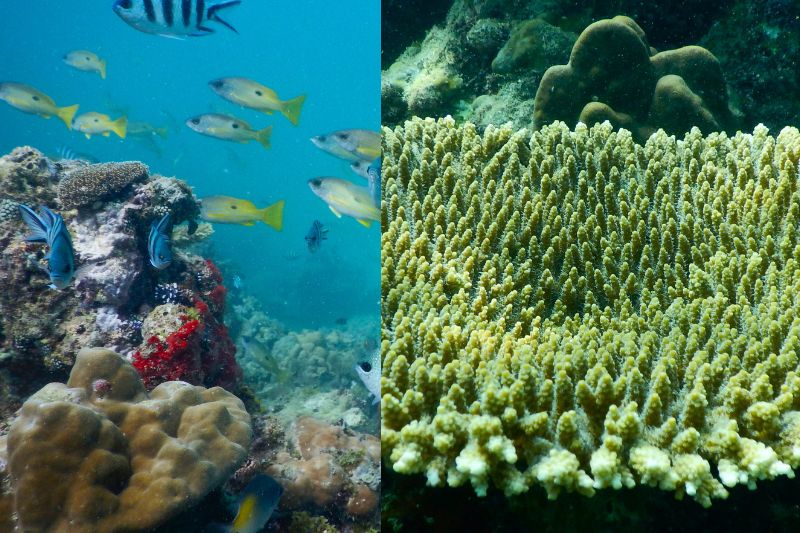
An extremely important moment in history is happening at the Red Sea. This new and exciting project, known as the Red Sea Project, is an incredible opportunity that will allow volunteers and scientists to work together to protect and preserve the Coral Reefs, fragile coastlines, and endangered marine species found in the Red Sea region. It is important to note that the success of this project depends on all individuals, regardless of their experience level, participating directly in the scientific monitoring and conservation of our sea. For breaking news and lifestyle updates, check Gulf Independent News.
The most amazing part of the Red Sea Project is how it encourages our community to be involved in protecting and preserving marine environments, which translates into a culture of environmental stewardship throughout the region.
Empowering Individuals through Citizen Science
The Red Sea Project utilizes Citizen Science as its primary method of research. Volunteers and citizens actively collect and record data, document and monitor marine biodiversity and assist researchers in conducting marine research throughout the Red Sea. Volunteers use simple tools, such as underwater cameras, mobile applications, and observation guides, to help document the health and well-being of the Red Sea Marine Environment.
The contributions of Citizen Scientists include:
1) Monitoring Coral Reefs; 2) Documenting Fish Population Patterns; 3) Documenting Plastic Pollution; 4) Documenting New or Rare Species; 5) Providing Signs of Coral Bleaching.
The data collected by Citizen Scientists helps to develop accurate Environmental Models and helps to develop better Conservation Policies to create and implement quick actions when Ecological Threats Occur.
Marine Ecosystems Under Watch: Protecting Coral Reefs & Wildlife
The Red Sea is known to contain one of the most resilient species of corals found anywhere in the world, with many different varieties able to withstand rising temperatures of the water. As resilient as these corals are, however; they are still susceptible to pollution, coastal development and climate change. See how Kingdom of Saudi Arabia is using AI to preserve Red Sea marine life.
The Red Sea Project provides educational opportunities that help to restore coral reefs through the establishment of reef nurseries; coral gardening, and controlled rehabilitation. Volunteers also track endangered species such as Hawksbill turtles, Dugongs, Whale Sharks, and rare migratory birds. By collecting population data and monitoring nesting areas, volunteers will also provide important information on population dynamics monitored within communities, so that conservation planning may be developed from these community-driven insights.
Educational Workshops to Inspire Future Environmental Leaders
In addition to field-based activities, The Red Sea Project has invested heavily into the education of local communities and schools through workshops. Workshops held throughout schools, universities and coastal communities help to teach future marine biologists about the dynamics of ecosystems in coastal areas and the practice of sustainable coastal development. Programs created through workshops provide young people with the tools and knowledge necessary to become future leaders in the environmental field.
Students learn about the effects of pollution on coral reefs, the importance of mangroves to coastal health and how marine food chains work, among others. The hands-on learning opportunities offered through these workshops help create a deep emotional bond between students and the ocean, encouraging long-term responsibility for these marine environments.
Combating Plastic Pollution: Community Cleanup Drives
Plastic pollution continues to be one of the biggest environmental concerns in this area. In response, this project is taking an active role in removing plastic pollution from our beaches and oceans through regular volunteer beach clean-up events and underwater clean-up events that are initiated by community volunteers. These events allow families to join together to collect items such as plastic fishing nets and gear, plastic bottles and microplastics from both the shoreline and the marine environment for proper disposal.
The results of each clean-up event not only help restore beach environments, but also allow researchers to monitor where the plastic pollution is being generated from. Researchers have been able to utilize information collected during clean-up events as a means to develop improved waste management strategies and create awareness in local businesses and tourism operations about the importance of keeping our beaches clean.
Sustainable Tourism As a Foundation of the Project
As tourism continues to grow in the Red Sea area, our project is raising awareness of responsible travel, such as promoting environmentally friendly travel practices to tourists. An example of this would be promoting the idea that tourists should not touch live corals while in the Red Sea’s waters, decrease their use of plastic and choose eco-tourism operators who assist in maintaining healthy ecosystems.
This is a way of ensuring that we not only maintain the pristine condition of the Red Sea, but also ensure financial benefit is derived by the local community from these tourism activities, thus developing the local economy.
The Red Sea Project recognizes that protecting our natural environment is a shared effort and not solely the responsibility of the scientific community. By integrating citizen science, community education, conservation, and sustainability, we have developed an example that will be useful and can be applied in all regions. While we are all working to improve the future of the natural environment, it is through documenting every single coral, monitoring every turtle, and removing every single piece of plastic that we will achieve sustainable practices in our present and future environments.


Nobel Prize 2026 Winners Full List Categories and Achievements

From Abu Dhabi to Brussels: Europe’s Growing Focus on the Muslim Brotherhood and Cross-Border Security

Top 10 Staycations and Overseas Trip Options for UAE Families During Nine Day Half Term School Break

UFC Fight Night Doha Tickets Go on Sale: Guide on Ticket Price, How to Buy Tickets and Attend the Event

Saudi Aviation Authority Confirms 1 Dead, 11 Injured on Sunday Riyadh Airport Attack

UAE Flight Suspensions Extend Across Saudi Arabia
-

 Reports3 days ago
UAE and Saudi Arabia Seek to Strengthen Rail and Infrastructure Integration
-
 Entertainment3 days ago
Lusail Circuit Opens Volunteer Applications for 2026 MotoGP and Formula 1
-
 Reports3 days ago
Kuwait Urges Unified Global Response to Terrorism and Financing
-
 News3 days ago
Trade Deal Talks Concluded Between UAE and Thailand