Top Stories
How to Reach Mecca from Oman – Flights, Roads & Travel Tips

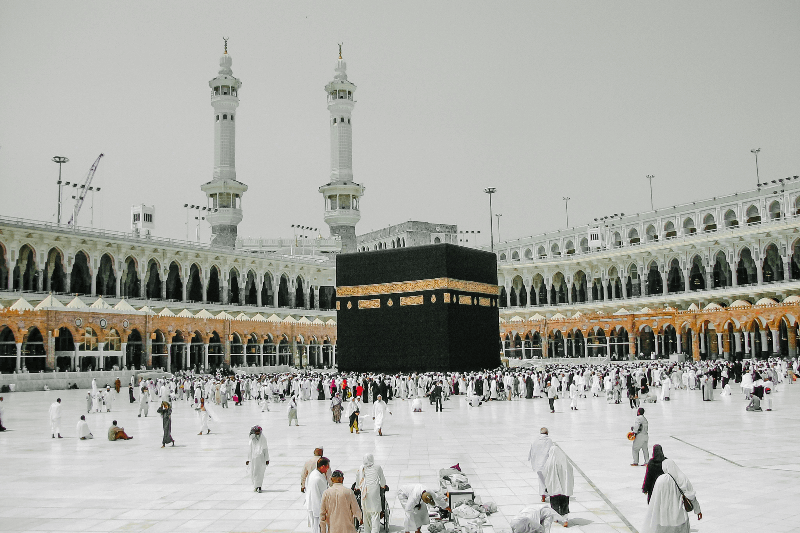
Travel from Oman to Mecca never really feels routine, no matter how many take the same road or flight. The air changes the moment one crosses the desert border, a familiar dry wind carrying the weight of prayer and patience. From the sound of bus engines at dawn to the hum of airport terminals, the journey carries its own calm rhythm now.
How to Travel from Oman to Mecca?
People start mostly from Muscat, Sohar, or Salalah. Some drive, others prefer the plane, depending on time and comfort. The distance stretches roughly two thousand kilometers, and yet, with better roads and faster flights, the journey fits neatly within a day. For most travelers across Arab countries, this route feels like second nature — planned almost by memory.
Visa and Entry Requirements for Saudi Arabia
Saudi Arabia made the process simpler in recent years. Still, it’s good to keep the basics right:
- A valid passport and travel visa, either for Umrah or a general visit.
- Permits for Hajj travelers through licensed Omani agents.
- Car papers and insurance for those driving.
- Digital copies of everything saved on a phone.
Officials at the border or airport usually check quickly if documents are ready and clear.
Air Travel – The Fastest Way to Reach Mecca from Oman
Flying remains the easiest way. Oman Air, Saudia, and Flynas run daily flights from Muscat, Sohar, and Salalah to Jeddah and Taif. The flight is short, roughly three hours. The air cools once the plane crosses into Saudi airspace, and from the window, the vast desert seems endless.
After landing in Jeddah, Mecca sits about eighty kilometers away. Most take a car or the Haramain High-Speed Train, which covers the distance in under an hour. Inside the train, travelers often sit quiet, some reading, others simply looking out at the muted landscape.
Air travel saves time and energy, especially for older travelers or families with kids. Many Omani agencies now include flight and hotel combinations for smoother planning.
Overland Route – Driving or Bus from Oman to Mecca
Driving feels like a test of patience but also a form of peace. The highway through Rub’ al Khali — the Empty Quarter — runs for hours with no sound except wind and tires on sand. The main route goes from Muscat through Nizwa and Ibri, reaching the Saudi border, then across to Riyadh and finally Mecca.
It takes around twenty-two hours if done steadily. Drivers usually start before sunrise to avoid heat. There are few rest stops but enough fuel points to make it manageable. Bus options exist too, connecting Muscat with Riyadh and then onward to Mecca. They cost less and often carry groups traveling for Umrah.
Mixed Travel Options – Combining Flight, Bus, and Train
Some mix things up — fly into Riyadh, then take the train or a long-haul bus to Mecca. The Saudi rail system connects major cities efficiently, and buses run almost every day. This way, travelers can pause mid-journey, maybe spend a night in Riyadh or Taif before continuing. It’s slower but offers breathing space, which many find worth it.
Estimated Travel Time and Cost Comparison
| Mode of Travel | Route | Time | Cost (USD) | Note |
| Flight | Muscat – Jeddah – Mecca | 5–6 hrs | 250–450 | Quick and comfortable |
| Car | Muscat – Riyadh – Mecca | 22–24 hrs | 150–200 | Long but flexible |
| Bus/Train | Muscat – Riyadh – Mecca | 28–32 hrs | 120–180 | Cheapest route |
Each has its own rhythm — flights for convenience, roads for reflection.
Travel Tips for Omani Pilgrims Visiting Mecca
- Leave before peak Hajj season to avoid queues.
- Carry light meals and water; desert heat drains fast.
- Choose hotels within walking distance from the Grand Mosque.
- Keep cash and small Saudi riyal notes handy.
- Dress modestly and stay alert around large crowds.
These small habits make a long journey feel lighter.
The Evolving Journey and Timeless Spirit of Travel to Mecca
Crossing from Oman to Mecca no longer feels distant. The flights, the roads, even the border posts — all work smoother than before. The hardest part now is choosing how to go. The rest falls into place once the journey begins.
For many across Arab countries, that road through sand and silence still feels sacred. Every mile closer to Mecca carries a quiet pulse — a reminder that even familiar paths can feel new each time one takes them.


UAE Leaders Pay Condolences to Sheikh Mohammed After Sheikh Ahmed’s Death

Kuwait and Pakistan Discuss Joint Military Coordination and Defence Cooperation

Sheikh Abdullah Leads UAE-France-India Talks on UNGA Sidelines

Qatar Amir Joins US-Hosted Multilateral Meeting in New York

Saudi National Day 2026: Fireworks, Parades and Air Shows Across the Kingdom

UAE Joins Seven Countries in Renewed Push for Gaza Peace
-

 News1 week ago
UAE President Welcomes Jordan’s King Abdullah, Discusses Regional Developments
-
 Reports1 week ago
BRICS Summit: Saudi Arabia Calls for Sovereignty, De-Escalation and Regional Stability
-
 Reports1 week ago
Free Abu Dhabi Visa for Indian Tourists: What to Know Before Booking
-
 News1 week ago
Oman Postpones Meeting Between Gulf States and Iran Over Strait of Hormuz