News
Fajr Prayer Times on September 23, 2025 in Gulf Arab Cities

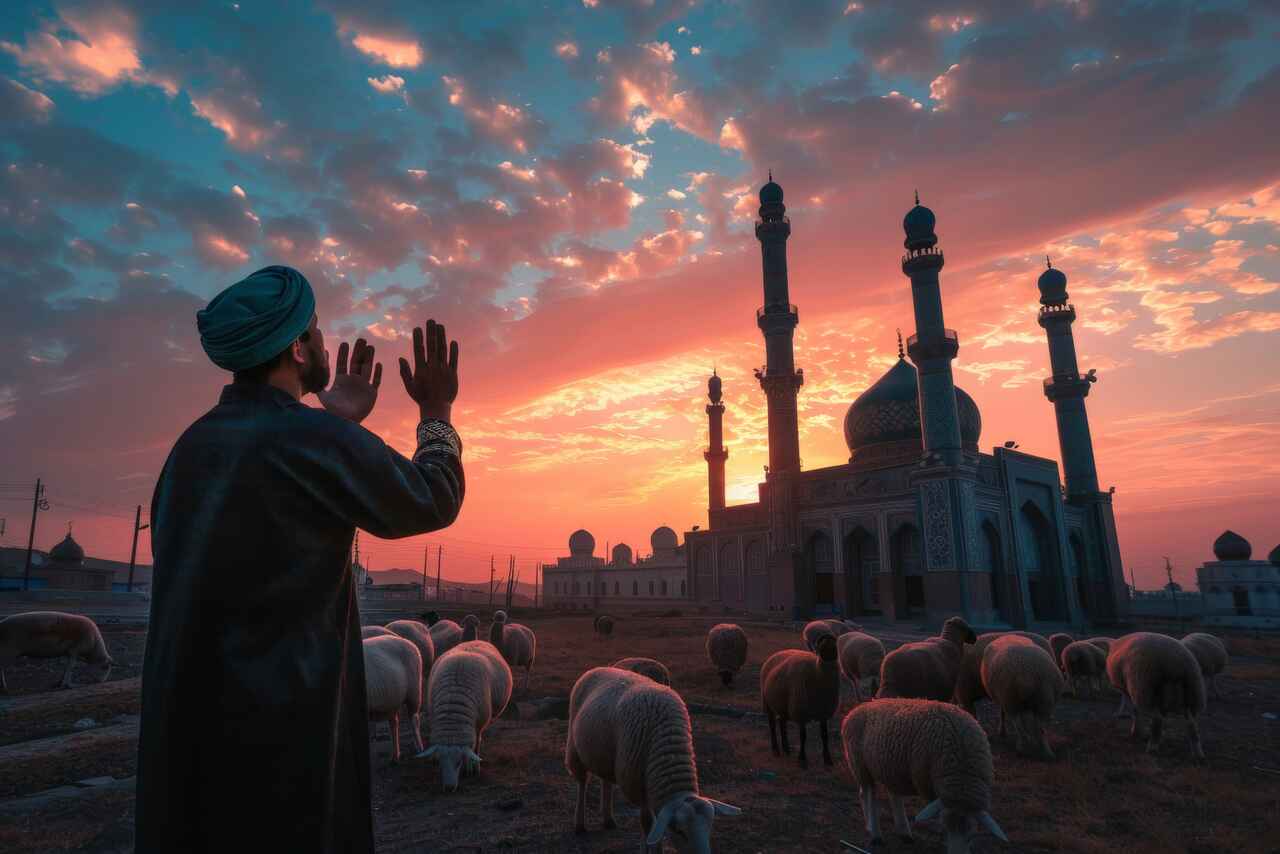
The sound of the first call before sunrise often decides how mornings begin across Arab countries. On September 23, 2025, the Fajr prayer once again sets the tone. In Riyadh, Dubai, Abu Dhabi, Doha, Manama, Muscat, and Kuwait City, worshippers rise early, shake off sleep, and gather in mosques or at home. The schedule varies from place to place, yet the rhythm feels shared across the region.
For those tracking spiritual routines, Gulf News often provides detailed updates on prayer schedules across the region, helping worshippers plan their days. Comparing previous Fajr Prayer Times from recent weeks reveals subtle shifts due to seasonal changes, with Riyadh typically starting around 4:30 AM and Dubai slightly later at 4:45 AM. These resources foster a sense of unity, ensuring the faithful remain connected to their rituals amid bustling urban life.
Fajr Prayer Time in Riyadh (Saudi Arabia)
Riyadh hears the call at 4:24 AM. Streets remain empty, but the minarets carry sound across districts. The desert air still clings to the night’s coolness, offering a small comfort before the long day heat builds. Shopkeepers and students alike start with this moment before stepping into crowded routines.
Fajr Prayer Time in Dubai (UAE)
Dubai sets its Fajr prayer at 4:51 AM. Between towers and highways, the sound of adhan cuts through glass and concrete. People rely on mosque speakers, alarms, or apps, but the habit is the same. A stillness before traffic, business meetings, and classrooms begin to take over.
Fajr Prayer Time in Abu Dhabi (UAE)
Abu Dhabi calls Fajr at 4:54 AM. The Sheikh Zayed Grand Mosque, white domes against the dark sky, becomes a landmark for prayer gatherings. Families head in together, some driving across the city, others on foot. The city feels hushed, almost suspended, until office blocks and ministries come alive later.
Fajr Prayer Time in Doha (Qatar)
Doha’s Fajr prayer begins earlier, at 4:17 AM. Along the Corniche, fishing boats creak against wooden piers while the call travels across the neighbourhoods. The air is thick with humidity, yet streets stay calm. Workers, traders, and students line up before dawn, marking the start of another day along the Gulf coast.
Fajr Prayer Time in Manama (Bahrain)
In Manama, smaller neighbourhood mosques dominate the early soundscape. Families pull children out of bed, some half-asleep but still standing in line beside parents. The compact city allows the call to reach across most districts easily. By the time markets open, many have already prayed, had tea, and planned the day’s errands.
Fajr Prayer Time in Muscat (Oman)
Muscat begins at 4:37 AM. Sea air carries into streets as incense drifts from homes. The call stretches over fishing harbours and mountain ridges. Merchants in Muttrah’s souq open shutters not long after prayer, a pattern still tied to centuries of habit. Religion and trade continue to move together here.
Fajr Prayer Time in Kuwait City (Kuwait)
Kuwait City’s Fajr is at 4:15 AM. The desert capital wakes quietly, but neighbourhood shops open soon after. Cafes serve strong Arabic coffee to those who choose not to return to bed. Government buildings and schools follow later, though the day’s rhythm has already been set hours earlier.
Variations in Fajr Prayer Time Across the Gulf
The times differ, even if by only minutes. Geography—latitude, longitude, the sun’s angle—decides the schedule. That is why each country publishes official calendars. Accuracy matters, because even a slight delay could place prayer outside its window.
- Riyadh: 4:24 AM
- Dubai: 4:51 AM
- Abu Dhabi: 4:54 AM
- Doha: 4:17 AM
- Manama: early morning across districts
- Muscat: 4:37 AM
- Kuwait City: 4:15 AM
Such small gaps still shape how each city rises.
Tips for Muslims Observing Fajr Prayer
The real test is waking up. Across the Gulf, families find tricks that work. Some scatter alarms in different corners of the house. Others lean on the mosque loudspeaker, which no one can ignore. In households, one person usually takes on the task of waking the rest.
Fajr also changes the pace of daily life. Early risers often use the quiet hours for reflection, light exercise, or preparing children for school. Coffee stalls in Riyadh and Muscat open doors right after Fajr, drawing regulars who prefer to stay awake. The timing shifts with seasons. Summer calls come earlier, winter ones later, forcing adjustments across entire communities.
The point remains constant: the first prayer shapes the day. On September 23, 2025, across Riyadh, Dubai, Abu Dhabi, Doha, Manama, Muscat, and Kuwait City, the dawn call once again marks the moment where silence ends and the Gulf begins its work.




Riyadh Strikes Test the Strength of the Mecca Pact

Qatar T100 Kick Off Run Returns for 2026: Everything Runners Need to Know

New Dubai Shared Housing Rules Could Improve Living Conditions for Low-Income Workers

Iraq PM Denounces Houthi Strikes on Saudi Arabia in Talks with Crown Prince

UAE Creates New Government Authority to Enhance Public Services

QSFA Announces Men’s Padel Tournament for November
-

 Reports6 days ago
UAE and Saudi Arabia Seek to Strengthen Rail and Infrastructure Integration
-
 Entertainment6 days ago
Lusail Circuit Opens Volunteer Applications for 2026 MotoGP and Formula 1
-
 Reports6 days ago
Kuwait Urges Unified Global Response to Terrorism and Financing
-
 News6 days ago
Etihad Suspends Riyadh Flights After Houthi Attacks