News
UAE: The Global Capital of Entrepreneurship and Startups

Step off a plane in Dubai and the first impression is noise and speed. Cars rushing down Sheikh Zayed Road, conversations about markets echoing in cafés, young founders carrying laptops between meetings. It feels less like a stopover city and more like an economy running on restless energy.
Entrepreneurship in the United Arab Emirates has moved far past slogans. In the Arab countries, the UAE is setting the pace, building structures that support both small firms and billion-dollar giants. Startups are not treated as side stories; they sit at the centre of national planning.
UAE Tops Global Rankings in Entrepreneurship
The Global Entrepreneurship Monitor ranked the UAE first worldwide for the fourth year straight. Rankings matter because they measure the ecosystem against developed economies, not only neighbours. The UAE showed strength across policy, finance, and culture, giving credibility to its claim as a hub.
Analysts point out that excelling in 11 of 13 conditions tested in the report signals a rounded foundation. It is not about one strong sector covering weak spots. It is about balance—governance, institutions, access to capital, even social attitudes toward startups. Few economies score this consistently.
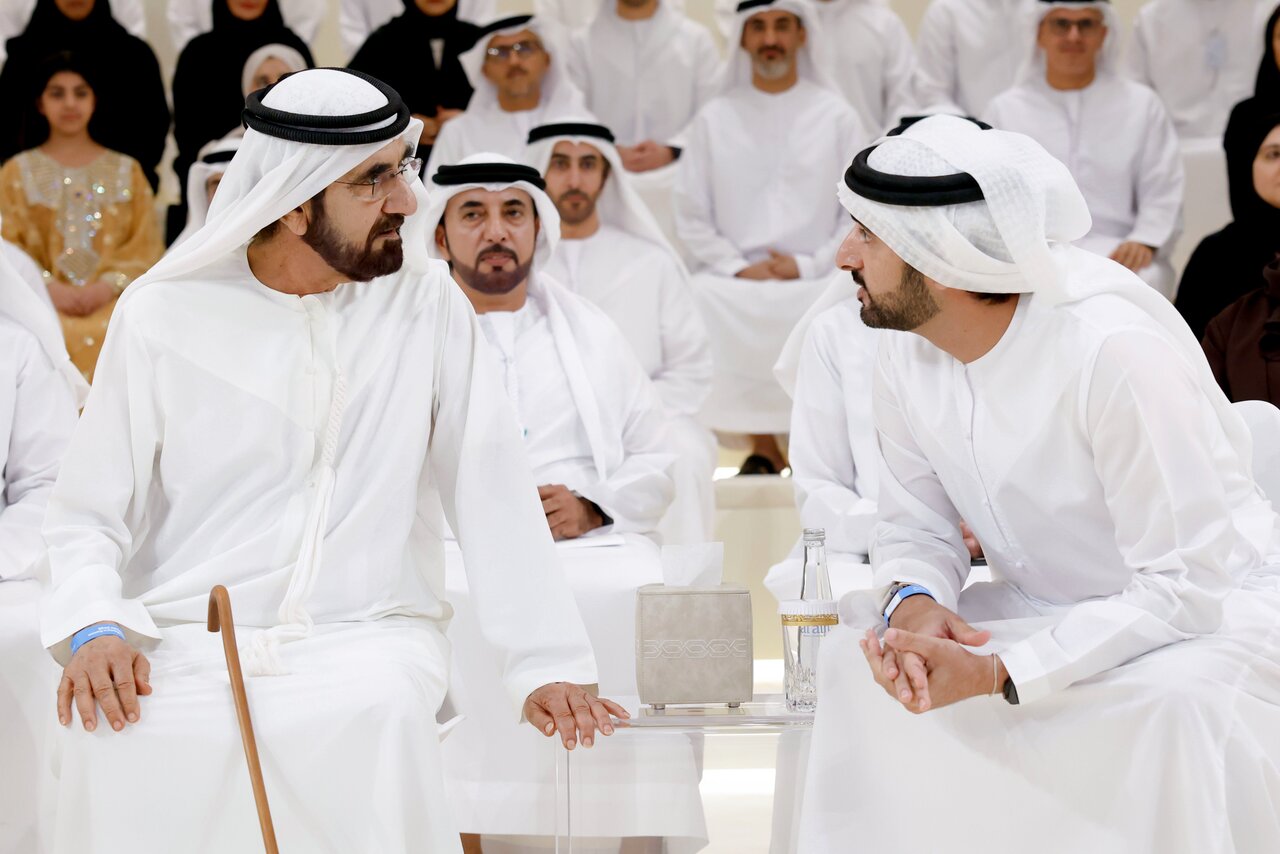
According to the Latest News Gulf, this strong, balanced performance also echoes the leadership vision of Sheikh Mohammed. In his address, he emphasized that the UN must remain humanity’s beacon for the next 80 years, urging continued commitment to global prosperity and peace built on such well-rounded foundations.
Government Policies Fueling Startup Growth
The UAE has not left entrepreneurship to chance. Rules are being rewritten to attract founders and keep them. Companies can now be fully foreign-owned in many industries, removing barriers that once held investors back. Long-term visas give entrepreneurs breathing room to plan.
- Golden Visa programs extend residency to investors and innovators.
- Free zones offer tax breaks, simplified paperwork, and infrastructure.
- More than 50 incubators and accelerators provide mentoring and seed support.
- The “Projects of the 50” initiative directs funding into innovation.
- Digital licensing platforms cut delays that used to slow business launches.
Each of these changes carries a practical result. A founder can register faster, hire easier, and secure funding without spending months in legal loops. Time saved becomes time used for product building, and that detail matters to every entrepreneur chasing growth.
SMEs as the Backbone of UAE’s Economy
Behind the glossy headlines about unicorns, small and medium enterprises form the real weight of the economy. They account for 95 percent of registered firms. Together they contribute more than 60 percent of non-oil GDP, a figure that proves diversification is not just an ambition but a living fact.
UAE as a Hub for Venture Capital and Unicorns
Capital is the fuel, and the UAE has kept it flowing. Sovereign wealth funds, family offices, and international venture capitalists crowd investment events in Abu Dhabi and Dubai. The message is clear: the country is not short on money willing to back new ideas.
Rise of Unicorns
Several Arab unicorns first grew in the UAE. Logistics platforms, fintech apps, and e-commerce firms have crossed billion-dollar valuations here. Hub71 in Abu Dhabi and Dubai Future District show what can happen when policy, money, and talent align. Founders call them launchpads.
Strategic Location for Investment
Geography helps too. Sitting between Europe, Asia, and Africa means deals can close across time zones. Ports handle goods quickly, airlines connect founders to investors within hours, and money moves easily across borders. Few places offer such physical and financial access at once.
Opportunities and Challenges for Entrepreneurs in the UAE
Opportunity is wide. Fintech, food security, green technologies, tourism, and digital services are being targeted by national policy. The government is clear about where it wants founders to build. That clarity reduces risk for entrepreneurs deciding on sectors. Still, challenges linger.
- High cost of living makes survival harder for early-stage teams.
- Different licensing systems across emirates confuse foreign founders.
- Competition in retail, property, and hospitality is intense.
- Skilled technical workers cost more to attract and retain.
- Cultural hesitance toward failure remains a barrier to risk-taking.
Each challenge is real. Yet most founders weigh them against the support available and still decide the trade-off is worth it. The steady rise of startups moving into the UAE shows frustration does not outweigh the benefits.
What Lies Ahead for UAE’s Startup Scene?
Targets are bold. The government wants more than two million startups and SMEs operating by 2031. Alongside that, plans include training 10,000 entrepreneurs and creating 30,000 jobs within five years. It is not only about numbers. It is about raising a skilled class of founders.
Coordination is another sign of intent. More than 50 government, private, and academic groups are tied together under national campaigns. Leadership under Sheikh Mohammed bin Rashid Al Maktoum signals continuity and political cover, which investors watch closely before committing money.
For entrepreneurs across the Arab countries, the UAE sends a message. It shows that the region can produce a fertile startup scene equal to international standards. The cafés filled with laptop screens, the co-working offices buzzing late into the night, and the constant talk of funding rounds prove the scene is alive.
The momentum is visible. Yet the question is whether it can be sustained through cost pressures, regulatory differences, and global competition. Founders remain cautiously optimistic. Many say the UAE is not done writing its entrepreneurship story. In fact, it feels like the first chapters have only just been published.




Nobel Prize 2026 Winners Full List Categories and Achievements

From Abu Dhabi to Brussels: Europe’s Growing Focus on the Muslim Brotherhood and Cross-Border Security

Top 10 Staycations and Overseas Trip Options for UAE Families During Nine Day Half Term School Break

UFC Fight Night Doha Tickets Go on Sale: Guide on Ticket Price, How to Buy Tickets and Attend the Event

Saudi Aviation Authority Confirms 1 Dead, 11 Injured on Sunday Riyadh Airport Attack

UAE Flight Suspensions Extend Across Saudi Arabia
-

 Reports3 days ago
UAE and Saudi Arabia Seek to Strengthen Rail and Infrastructure Integration
-
 Entertainment3 days ago
Lusail Circuit Opens Volunteer Applications for 2026 MotoGP and Formula 1
-
 Reports3 days ago
Kuwait Urges Unified Global Response to Terrorism and Financing
-
 News3 days ago
Trade Deal Talks Concluded Between UAE and Thailand