Politics
Trump’s Second-Term “Peace Deals” and Details

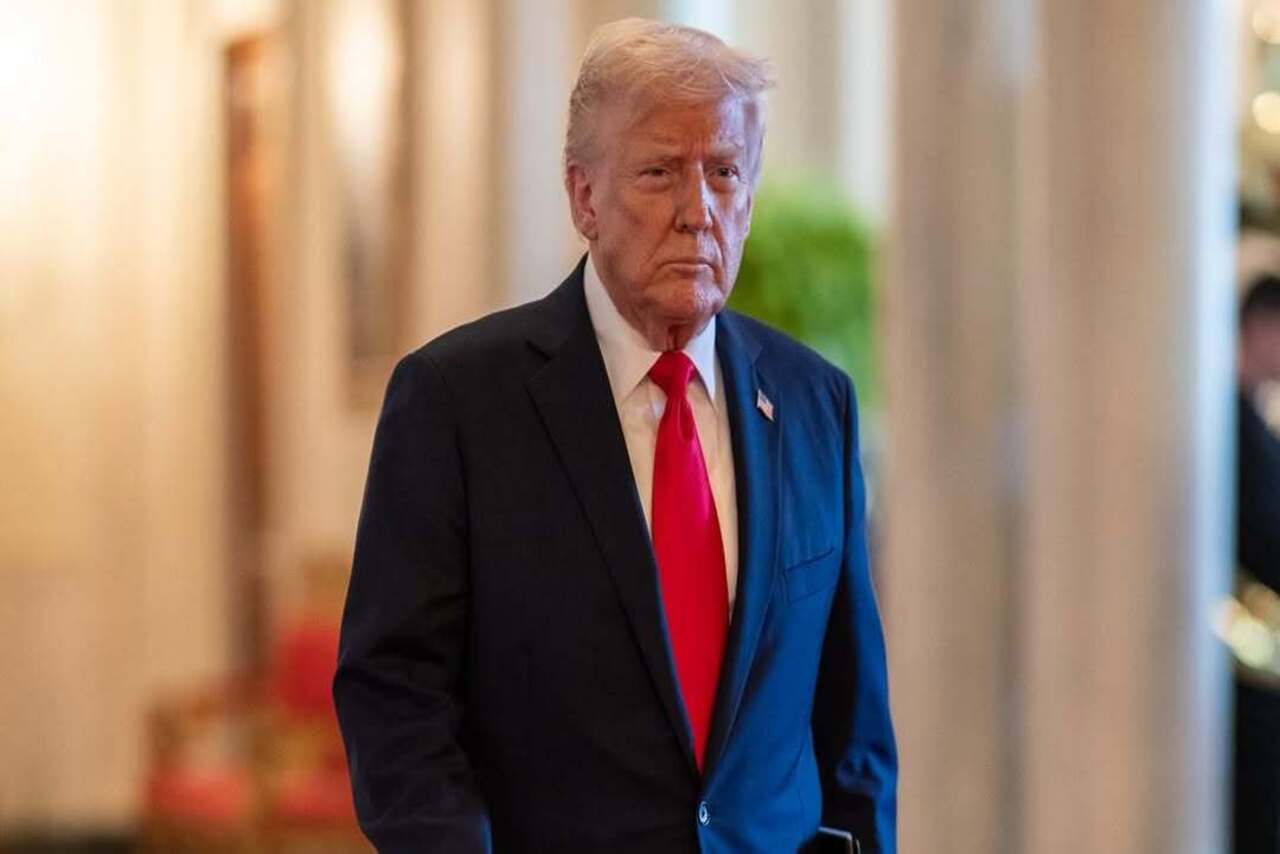
Verified Peace Deals
1. U.S.–Houthi Ceasefire (Yemen)
U.S. Intervention & Issue:
A months-long U.S. bombing campaign against Houthi forces in Yemen, in response to Red Sea shipping attacks, concluded with a surprise ceasefire announced in May 2025. The ceasefire, facilitated by Oman, ended mutual strikes and restored commercial shipping safety—though it excluded any obligations on Israel’s side. Trump called it a “surrender” by the Houthis, while others noted U.S. restraint.
White House Statement:
Deputy Press Secretary Anna Kelly declared, “Another good deal for America and our security,” emphasizing the reopening of Red Sea trade.
Social Media Reactions:
Omani officials praised the breakthrough. Online critics, especially from Houthi-supporting circles, claimed it was the U.S. that backed down. Trump supporters labeled it “classic Trump diplomacy.”
2. DRC–Rwanda Peace Agreement (Washington Accord)
U.S. Intervention & Issue:
After years of violent clashes and proxy warfare in Eastern Congo, Trump hosted Rwandan and Congolese leaders for peace talks in Washington. The deal, signed in June 2025, called for troop withdrawals, a halt to rebel group funding, and regional infrastructure cooperation. U.S. and Qatari diplomats played crucial roles.
White House Statement:
Trump praised the outcome as a “historic end to Africa’s silent war,” and the administration credited it with reducing instability in the Great Lakes region.
Social Media Reactions:
Supporters applauded Trump for facilitating dialogue. Some African commentators expressed cautious optimism, while others warned of challenges in enforcing the deal on the ground.
3. Armenia–Azerbaijan Peace Agreement (“Trump Route”)
U.S. Intervention & Issue:
Trump oversaw an August 2025 peace treaty between Armenia and Azerbaijan, ending lingering tensions after the 2020 Nagorno-Karabakh war. The deal includes full normalization, guarantees for Armenian civilians, and the establishment of a U.S.-secured “Trump Route” corridor between Azerbaijan and Nakhchivan.
White House Statement:
Trump hailed it as “the most beautiful peace ever signed in the Caucasus,” positioning the U.S. as the new regional power broker.
Social Media Reactions:
Conservatives celebrated the diplomatic optics. Armenian diaspora voices raised concerns over civilian rights, while memes circulated mocking the branding of the “Trump Route.”
Disputed or Unverified Peace Claims
4. Russia–Ukraine “Peace Framework”
U.S. Intervention & Issue:
Trump has proposed a peace settlement that would see Ukraine cede territory to Russia in exchange for peace. A proposed summit with Vladimir Putin in Alaska has been announced, but Ukrainian officials have not publicly confirmed any participation or agreement.
White House Statement:
The White House maintains that this plan would “end the war in days” and restore global stability.
Social Media Reactions:
Critics accused Trump of rewarding aggression, while MAGA supporters called it “pragmatic leadership.” Ukrainian voices largely condemned the proposal as undermining sovereignty.
5. India–Pakistan Ceasefire
U.S. Intervention & Issue:
In May 2025, Trump claimed to have de-escalated tensions between India and Pakistan through backchannel diplomacy. However, India denied any U.S. role, stating the situation was resolved bilaterally.
White House Statement:
Officials offered no formal comment beyond Trump’s social media post celebrating “another peace won.”
Social Media Reactions:
Indian users mocked Trump’s claim as fantasy, while pro-Trump accounts praised his global peacekeeping efforts.
6. Israel–Iran Ceasefire
U.S. Intervention & Issue:
Following a high-risk airstrike campaign in Syria, Trump announced a ceasefire between Israel and Iran. In reality, both countries continued their operations. No confirmation ever came from involved governments.
White House Statement:
Trump described it as a “total ceasefire” and claimed Iran was “scared stiff.”
Social Media Reactions:
Widespread skepticism followed, with commentators accusing Trump of exaggeration. Others pointed to the ongoing missile exchanges as proof the deal never existed.
7. Israel–Syria De-escalation
U.S. Intervention & Issue:
Reports emerged that limited de-escalation had been reached between Israeli and Syrian forces, supposedly facilitated by U.S. and Jordanian diplomacy. But there was no formal agreement or acknowledgment by Syria.
White House Statement:
Trump’s team made vague references to “quiet achieved through strength.”
Social Media Reactions:
Users debated whether silence meant success or avoidance. Analysts warned the situation remained volatile.
Read Also : Trump 2.0: The Most Controversial Policies of His Second Term (2025)
8. Thailand–Cambodia Ceasefire
U.S. Intervention & Issue:
In July 2025, Trump claimed credit for ending a border skirmish between Thailand and Cambodia. However, neither government confirmed U.S. involvement, and tensions appeared to subside independently.
White House Statement:
The Press Secretary praised Trump for “ending one conflict a month,” comparing his record to past Nobel Peace Prize winners.
Social Media Reactions:
Many online users treated it as self-congratulatory spin. Others joked about Trump’s “peace calendar.”
Trump’s second-term diplomacy has seen a combination of authentic negotiation and assertive self-branding. Real achievements like the Armenia–Azerbaijan accord and the Red Sea ceasefire have demonstrated his administration’s ability to broker deals under high-stakes conditions.
However, several claimed successes, such as the India–Pakistan and Israel–Iran ceasefires, lack verifiable backing. Public reaction ranges from celebratory to deeply skeptical. As Trump continues to shape foreign policy with bold declarations, the gap between rhetoric and reality remains a key issue to watch.



Nobel Prize 2026 Winners Full List Categories and Achievements

From Abu Dhabi to Brussels: Europe’s Growing Focus on the Muslim Brotherhood and Cross-Border Security

Top 10 Staycations and Overseas Trip Options for UAE Families During Nine Day Half Term School Break

UFC Fight Night Doha Tickets Go on Sale: Guide on Ticket Price, How to Buy Tickets and Attend the Event

Saudi Aviation Authority Confirms 1 Dead, 11 Injured on Sunday Riyadh Airport Attack

UAE Flight Suspensions Extend Across Saudi Arabia
-

 Reports3 days ago
UAE and Saudi Arabia Seek to Strengthen Rail and Infrastructure Integration
-
 Entertainment3 days ago
Lusail Circuit Opens Volunteer Applications for 2026 MotoGP and Formula 1
-
 Reports3 days ago
Kuwait Urges Unified Global Response to Terrorism and Financing
-
 News3 days ago
Trade Deal Talks Concluded Between UAE and Thailand