Reports
Sultan Haitham City Landscape Design Awarded International Award

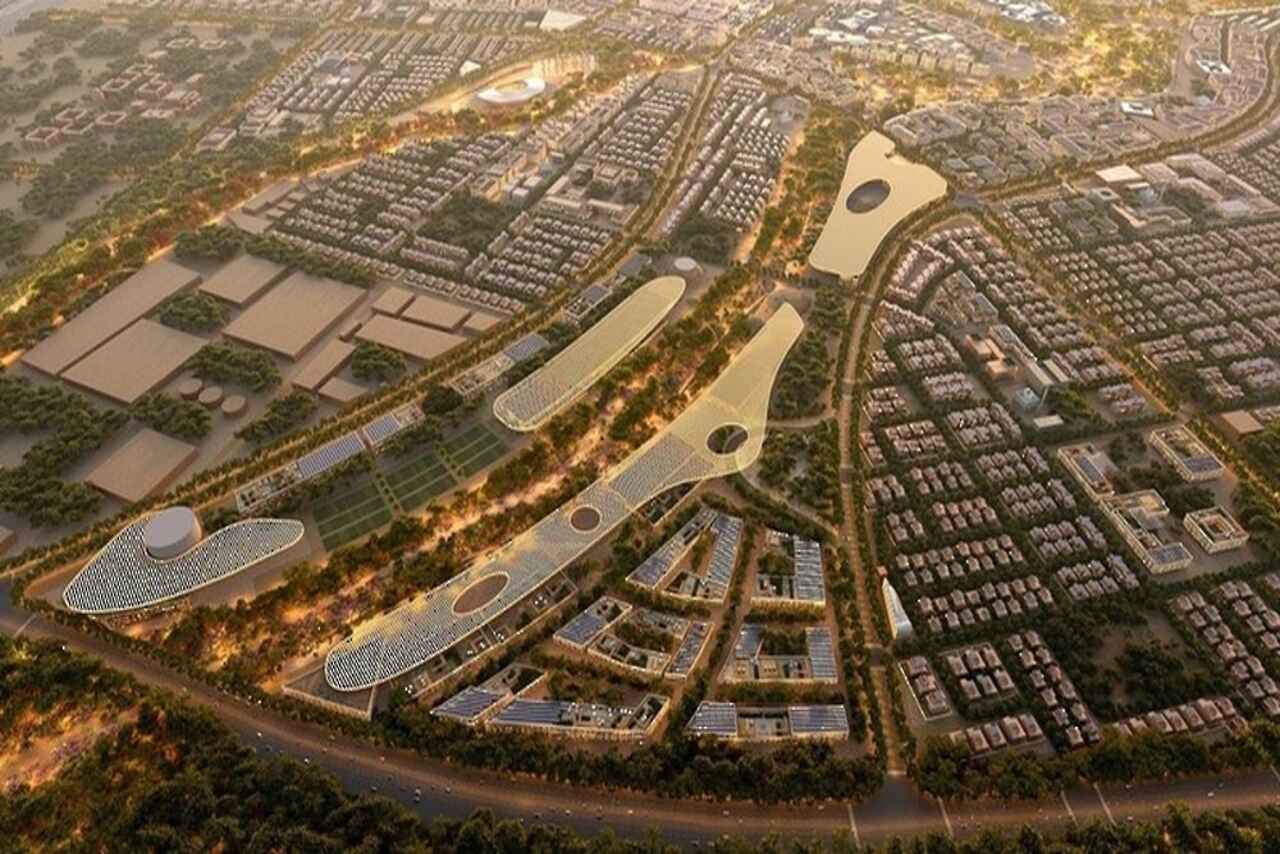
Sultan Haitham City in Seeb, Muscat is a major urban development project that won an international award for landscape design, due to its innovative and sustainable landscape. The project is part of Oman Vision 2040 and will eventually accommodate a population of 100,000 in 20,000 homes, developed as a smart green city.
What Makes Landscape Design Interesting
- Sultan Haitham City has approximately 2.9 million square meters of green space, including a 7.5-kilometer ha of public open parkland that incorporates the redesigned wadi. It also includes green corridors from community to community and creates spaces for outdoor living.
- In landscape design, native Omani plants were used instead of ornamental ones, which do not require regular tending and very low quantities of water. Also utilized were traditional elements from Omani culture such as falaj-style, expanded to channels of water; shaded courtyards, and stone pavements.
- The city utilizes solar photovoltaic power energy systems and recycled water to irrigate its spaces, and includes smart irrigation. Its planned site placement is wind-flow and naturally lit to minimize energy use and provide cool public areas.
Read Also : Sultan Haitham City: Oman Plans ‘Smart City’ Amid Depleting Petroleum Reservoirs
International Recognition of a National Vision
The award illustrates Oman’s increasing leadership in sustainable urban planning. Sultan Haitham City is not a standard new residential suburb. Sultan Haitham City is an imaginative development concept that embraces the local natural environment and culture while providing the latest infrastructure and amenities. Phase One of development has already begun at the start of 2024 and, up to now, has strong momentum. The city developers have completed the construction of essential infrastructure of over 70 percent, and now construction of the city is underway with residential areas, commercial and hospitality areas operated by international and local development companies.
What Makes This Project Unique
- Environmental Harmony: Environmental care is important for us through green space, water conservation and plantings sensitive to climate.
- Cultural Equilibrium: This development illustrates the balance within community development (a traditional Omani architectural plan) in conjunction with modern, systematic planning.
- Community Well-being: Provides walkable communities and public spaces to share and engage with others socially.
- Smart City Infrastructure: Modern systems directly relate to less environmental damage: solar/panel energy for electrical consumption, smart irrigation systems.




Nobel Prize 2026 Winners Full List Categories and Achievements

From Abu Dhabi to Brussels: Europe’s Growing Focus on the Muslim Brotherhood and Cross-Border Security

Top 10 Staycations and Overseas Trip Options for UAE Families During Nine Day Half Term School Break

UFC Fight Night Doha Tickets Go on Sale: Guide on Ticket Price, How to Buy Tickets and Attend the Event

Saudi Aviation Authority Confirms 1 Dead, 11 Injured on Sunday Riyadh Airport Attack

UAE Flight Suspensions Extend Across Saudi Arabia
-

 Entertainment3 days ago
Lusail Circuit Opens Volunteer Applications for 2026 MotoGP and Formula 1
-
 Reports3 days ago
UAE and Saudi Arabia Seek to Strengthen Rail and Infrastructure Integration
-
 Reports3 days ago
Kuwait Urges Unified Global Response to Terrorism and Financing
-
 News3 days ago
Trade Deal Talks Concluded Between UAE and Thailand