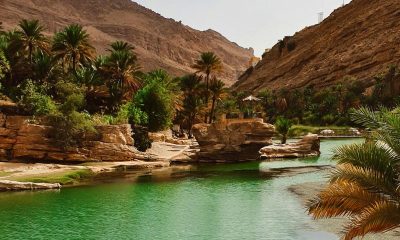
Amidst one of the driest places on earth, the United Arab Emirates has done something that can be called impressive, providing water supply that is steady to the people, cities, and industries. The success of the UAE, with very little rain and no rivers that flow all year round, is a strong case of how tech and planning can break the natural barriers.
Living With Extreme Water Scarcity
Natural fresh water is very limited since the UAE receives less than 100 mm of rain a year. The population increase, urban development, and tourism have caused the rise of water demand as well. Still, water is kept available even in the heart of the desert.
Desalination: Turning Seawater Into Lifelines
The UAE’s main water policy is desalination. By removing salt from seawater, the country supplies most of its drinking water. The modern desalination plants along the coast have enough capacity to satisfy the water needs of cities like Dubai and Abu Dhabi, even under climate challenges.
Innovation and Advanced Technology
The UAE is heavily invested in research and development projects for water technologies. Some ideas for making desalination more energy efficient, facilities powered by solar energy, and artificial intelligence are all there to reduce the costs and the environmental impact. These innovative methods are contributing to water security while also achieving the sustainability goals.
Smart Water Management Policies
However, beyond the fancy technologies, the governance quality still has a very important say. The UAE applies the water regulations, encourages the efficient use of water and keeps a close watch on the consumption. The installation of smart meters, the use of leak detection systems and the introduction of tiered pricing are all initiatives that incentivise water conservation by households and businesses.
Recycling and Reuse of Water
One of the main features of the water program is indeed the recycling of wastewater, which is the third pillar. After proper treatment, the wastewater is utilised for irrigation of the green areas, for agriculture, and for the cooling systems. As a result, less fresh water is taken from nature, and the supply is better secured for the future.
Agriculture in a Desert Nation
Producing food in a desert environment is quite a major challenge; however, the UAE is equipped to handle it with the use of advanced irrigation techniques like drip irrigation and hydroponics. Not only do these techniques lower water consumption to a large extent, but they also help achieve local food production and food security.
Public Awareness and Conservation
The government uses different ways to educate people about the importance of water saving, and its campaigns are one of them. Citizens and residents are given water-saving tips that they can practice at home, in schools, and at their workplaces, thus establishing a water-saving culture.
Water security remains a challenge due to climate change and increasing demand. In order to be ready, the UAE is constantly diversifying its water sources, investing in research, and looking into regional cooperation. Besides that, strategic water reserves are kept for times of emergency.
A Story of the World
The way the Water-Scarce UAE Manages to Quench a Nation is the first but only local narrative; it is a worldwide lesson. The UAE, by mixing innovation, policy, and public participation, demonstrates that even the driest countries can be safe in terms of water in the future.




 Top Stories2 weeks ago