Connect with us

Trends

Desert Tourism and Eco-Tourism in GCC Countries

Published

on

sustainable tourism in Middle East deserts

Tourism in the Gulf Cooperation Council (GCC) countries is changing quickly. High-end travel is still popular, but eco-tourism and desert tourism in the GCC are becoming more popular as governments encourage sustainability, cultural preservation, and economic diversity beyond oil. For more news updates, visit our Gulf Independent News page.

Increase in GCC Desert Tourism

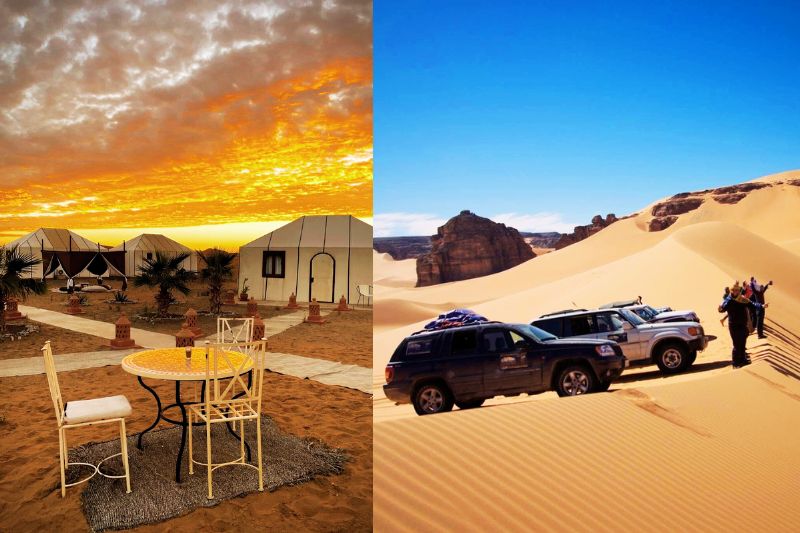
Deserts are a natural benefit in all the GCC countries, but they are especially important in the UAE, Saudi Arabia, Oman, and Qatar. These areas have turned huge deserts into one-of-a-kind travel adventures, such as

  • Desert sand bashing and safaris
  • Camel treks and camps like the ones the Bedouins use
  • Looking at stars and taking pictures in the desert
  • Sandboarding and other fun activities with a lot of risk

International travellers who want to be in a real place, have fun, and learn about the culture seek out these kinds of encounters.

Increase in eco-tourism projects

Eco-tourism is about saving nature and helping people in the area at the same time. Eco-tourism is being encouraged in the GCC by

  • Nature parks and safe places for animals
  • Earth-friendly hotels and long-term resorts in the desert
  • Marine environmental tourism, like coral reefs and mangroves
  • Low-impact hobbies like hiking, birdwatching, and kayaking
  • Under long-term plans for growth, countries such as Oman and Saudi Arabia are putting a lot of money into environmentally friendly travel.

Benefits for the Economy and the Environment

Desert and eco-tourism are both beneficial in several ways:

  • Economic diversification: It makes the economy less dependent on money from oil.
  • Creating jobs: helps small companies and communities in the area
  • Cultural preservation: Supports heritage and indigenous ways of life
  • Environmental awareness: promotes eco-friendly tourism and saves nature.
  • These perks are in line with the regional plans for long-term growth.

Dangers and Hardships

Even though the business is growing, it still has problems:

  • Damage to the environment caused by too many tourists
  • Desert places use a lot of water and energy.
  • Finding a balance between high-end tourists and environmental goals
  • Need to make the rules stronger and teach visitors about eco-tourism could lose its main goal if it is not carefully planned.

What’s Going to Happen in the Future

Innovation and regulation will decide the future of desert travel in the GCC. Using smart technologies, renewable energy, and strict conservation policies can help make sure that the area stays usable in the long run while still being attractive to tourists.

Last Words

Desert tourism and eco-tourism in the GCC countries are changing the way people travel in those countries. If they are built responsibly and the environment is protected, these types of tourism can give people amazing experiences while keeping the delicate desert ecosystems safe for future generations.

Click to comment

Leave a Reply

Your email address will not be published. Required fields are marked *

Trending