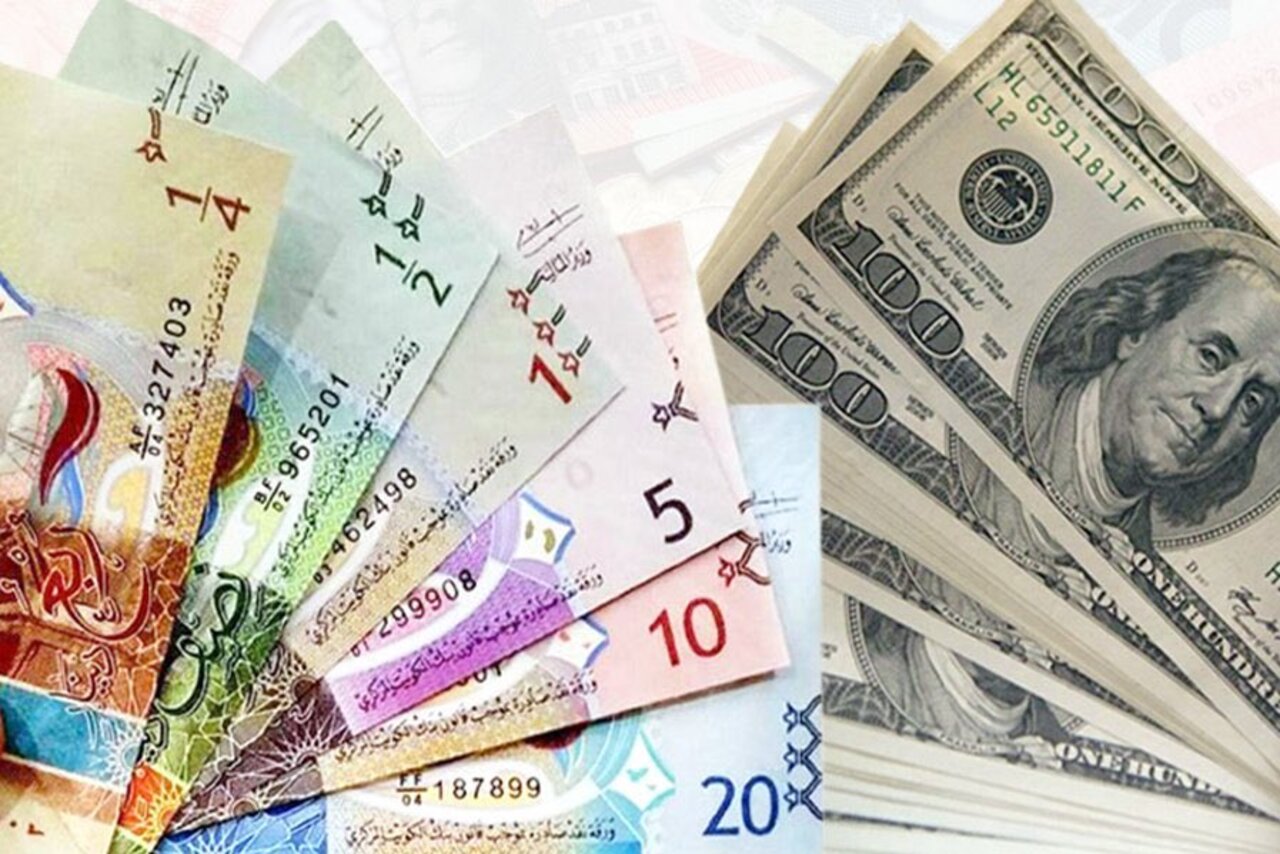
Inside a crowded exchange house in Sharjah, fluorescent boards flicker between numbers. A worker squints, checks his phone, and sighs softly. The Dubai currency, the United Arab Emirates Dirham (AED), sets the tone for his week. Every rate posted today changes someone’s story in Arab countries.
1 AED ≈ 0.2723 USD | 0.2327 EUR | 33.16 BDT | 76.61 PKR | 22.70 RUB | 24.15 INR
For those monitoring fluctuations, Gulf News provides comprehensive coverage of forex trends in the UAE, helping expatriates and traders make informed decisions amid economic shifts. Comparing previous Dubai Currency Rates from last week reveals a modest strengthening of the AED against the Euro and Pound, driven by regional oil stability. Such insights not only guide daily transactions but also shape long-term financial planning in bustling hubs like Sharjah.
Current Exchange Rate of AED to USD
The AED’s relationship with the US dollar is like an anchor that rarely moves. For years, the peg has locked the value close to 3.67 AED for 1 USD. Today that means 1 AED equals about 0.2723 USD. Businesses trust this peg, because it keeps fuel contracts, import costs, and travel rates steady. Traders may grumble about slow movement, but in practice, the stability saves them from wild swings.
1 AED ≈ 0.2723 USD
AED to Euro (EUR) Today
On the other side, the euro reacts like a weather vane. A café owner in Dubai Marina joked this morning, “The euro’s mood changes with the clouds in Europe.” Today’s figure stands at around 0.2327 EUR for each AED. Tourists arriving from Paris or Rome notice the difference straight away, especially when settling hotel bills or picking up luxury items. A few cents shift in value can add up quickly when shopping in malls where receipts stretch long.
1 AED ≈ 0.2327 EUR
AED to Bangladeshi Taka (BDT)
In labour camps and city corners where Bangladeshi workers gather, the AED to taka rate is the headline of the day. Today 1 AED brings in about 33.16 taka. Not an abstract number, but one that measures school fees, wedding savings, and groceries back home. A man waiting near the remittance counter muttered to a friend that even a 0.10 change in rate can add thousands more to his family in Dhaka. That’s why the taka figure draws quiet stares before money is sent.
1 AED ≈ 33.16 BDT
AED to Pakistani Rupee (PKR)
Conversations in Pakistani-run barber shops and small eateries circle back to the same subject: “What’s the rupee today?” The answer right now is 76.61 for every dirham. Families in Lahore or Islamabad depend on this steady lifeline. A driver in Abu Dhabi explained how he waits until the weekend, when he earns tips, before sending. He checks the AED to PKR board twice, sometimes three times, because every decimal counts. In busy districts, this exchange flows like a current that never stops.
1 AED ≈ 76.61 PKR
AED to Russian Ruble (RUB)
The ruble, meanwhile, stirs talk in trading rooms more than in remittance lines. Today 1 AED equals about 22.70 rubles. Oil companies and machinery importers run calculations quickly. A missed decimal can cost thousands. Retailers bringing in goods from Moscow complain that the ruble moves too fast, but they still queue up at exchange desks. For them, this rate is less about family meals and more about shipping containers.
1 AED ≈ 22.70 RUB
AED to Indian Rupee (INR)
The busiest queues belong to Indians. With millions working across Arab countries, the AED to INR figure dominates remittance charts. Today’s rate is about 24.15 rupees. A shopkeeper in Sharjah laughed as he counted notes, saying, “This number decides if my children get an extra box of sweets.” Tiny anecdotes like his multiply across communities. People time their transfers around small rises, even if the gain is just a few hundred rupees. Multiply that by millions, and the scale becomes massive.
1 AED ≈ 24.15 INR
Market Reactions and Regional Impact
The snapshot of today’s currency exchange tells more than numbers on a screen. The peg with the dollar acts like steel scaffolding, steady and unmoving. Around it, other currencies shift like sand in the wind. Workers, traders, and tourists adapt daily, checking boards with the same urgency as a weather forecast.
In crowded exchange houses, the atmosphere buzzes with machine clicks, the faint scent of ink on fresh notes, and conversations in multiple languages. For a Bangladeshi cleaner, the dirham-to-taka line decides how much rice his family can buy. For a Russian importer, the ruble line signals profit or loss. For an Indian nurse in Dubai, the rupee figure means her siblings’ tuition is paid on time.
Even with its steadiness, the AED shapes lives in motion. Expatriates adjust their habits, families adjust their plans, and businesses adjust their margins. Every decimal has its own echo. Today’s board might look ordinary, but behind each figure is a story crossing borders.








 Top Stories2 weeks ago