
News
How the UAE–UK Economic Partnership Is Driving Growth Amid Global Disruption?


As the UAE and the UK navigate through uncertainty in the world, they are partnering while pushing for one of the region’s most vital economic connections to take a next step. In the UAE–UK Business Council’s most recent virtual Event, senior policymakers and business figures emphasized that these positive economic foundations, dynamic supply chains and strategic partnerships are presenting new avenues for investment and trade with the UAE.
Today annual bilateral trade has become on-going at levels above USD 30 billion with over 14,000 active UK exporters with the UAE and continues to grow in many sectors. Transforming Resilience into sustainable economic growth, amidst current geopolitical and market turmoil, was the focus of the discussion.
UAE’s Diversified Economy Supports Investor Confidence
Speakers highlighted that the UAE is an economically resilient country and it is due to long-term planning and not short term decisions. The UAE’s long-term economic diversification plan is successful with non-oil industries now accounting for almost 80% of the country’s economy.
The UAE also achieved real GDP growth of 6.2% in 2025, and the non-oil private sector continued to grow despite the turbulence faced by the world. This has continued to draw in other international businesses and the global investment firms have been drawn to the stable investment environment, well-capitalized banks and the strong financial reserves.
Building the Next Phase of UAE–UK Cooperation
The importance of accelerating the implementation of the UAE–UK relationship in various areas such as investment, technology, talent nurturing and market access were highlighted by officials. Both governments are looking forward to opportunities in the future, not just coping with what is happening, but capitalising on opportunities that are emerging within the global community.
Opportunities for the future likely to emerge from the sector collaborations include clean energy, artificial intelligence, advanced manufacturing, logistics, financial services, life sciences, food security and digital infrastructure.
Supply Chains Become a Strategic Priority
But recent events worldwide have further highlighted the need for resilient and agile supply chains. Business leaders pointed out that concerns for the resilience of businesses to increase, with alternative trade routes and adaptable logistics routes such a feature of their expectations.
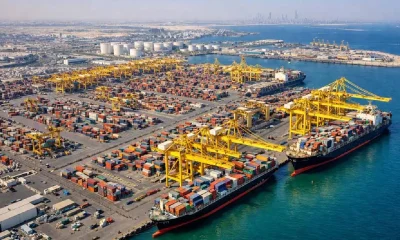
The UAE’s world-class ports, aviation facilities, and geographical position remain strong, further reinforcing its position as a key international trade and distribution center that boasts links with both Europe, Asia, and Africa.
UK–GCC Free Trade Agreement Opens New Opportunities
A significant achievement during the discussion was the successful negotiations for the UK – GCC Free Trade Agreement. In the time that the agreement comes into effect, it is planned to eliminate the barriers to trade and expand market access, as well as promote investment from the UK and Gulf countries.
The agreement will help boost business opportunities on both sides, as well as ensure the sustained economic cooperation between India and Vietnam, officials say.
FAQs
What is the value of trade between the UAE and UK on an annual basis?
Annual two-way trade between the UAE and the UK is now at the North African level of USD >30 bn, placing the UAE as one of the strongest economic relationships in the region.
Why is UAE one of the most economically resilient countries of the world?
The UAE has a diversified economy, robust financial infrastructure, global connectivity, and a strong growing non-oil sector, and in times of international chaos, this has ensured investors are still confident in the UAE.
Which sectors should have the highest priority for collaboration between UAE and UK?
Cooperation is expected to continue to be in the areas of artificial intelligence, clean energy, logistics, financial services, life sciences, advanced manufacturing, food systems and digital infrastructure.
Don’t Miss These Stories
What are smart expat saving tips?
Explore practical money-saving strategies that help expats reduce daily expenses and survive rising costs in Gulf countries.
Why are Gulf workers facing rising costs?
Discover how increasing living expenses are impacting South Asian workers and reshaping financial stability across the Gulf.
Which GCC country is cheapest now?
Check out the most affordable GCC destination where expats can enjoy a lower cost of living without compromising lifestyle.
Where are budget-friendly GCC cities located?
Explore the top cities offering affordable living options for Indian and Asian expats across the Gulf region.
How is global inflation affecting Gulf life?
Discover how rising global inflation is influencing everyday expenses and reshaping expat lifestyles in the Gulf.



Sheikh Zayed Grand Mosque Entry Fee Announced: Dh5 for UAE Residents, Dh10 for Tourists

UAE, Senegal Leaders Discuss Water Priorities Ahead of 2026 UN Water Conference

GISEC Global 2026: Dubai Brings World Cybersecurity Leaders Together

Where to Watch Resident Evil in the UAE: VOX Showtimes, Ticket Prices, and Locations

Saudi Arabia Warns Houthis After Drone Intercepted Near Makkah

Albanian President Bajram Begaj Visits Abu Dhabi’s Sheikh Zayed Grand Mosque
-

 Trends1 week ago
iOS 27 Release Date Confirmed: Apple’s New iPhone Update Arrives September 14
-
 News1 week ago
Bahrain International Airshow Postponed to 2028 Amid Regional Conflict
-
 Reports1 week ago
Unified GCC Visa Opens New Tourism Opportunities for Kuwait
-
 Trends1 week ago
Apple to Unveil Foldable iPhone and New Pro Models: What UAE Buyers Should Know