Reports
GCC Security in Focus: How Regional Maritime Threats Reshaped Saudi-Emirati Ties

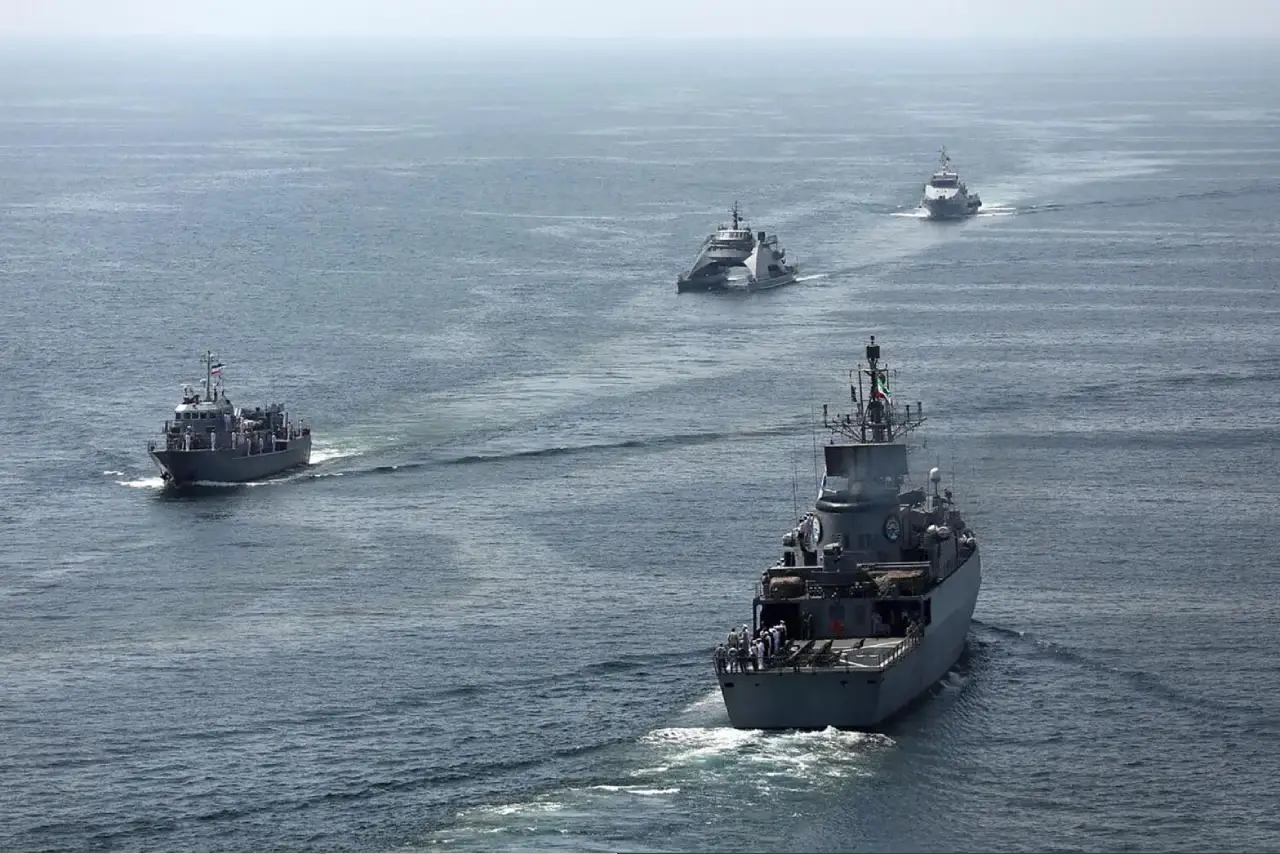
Saudi Arabia and the UAE appear to be considering economic and security issues as a fundamental for strategic cooperation. Coordinating efforts and reaffirming their enduring partnership, both countries have taken steps to bolster maritime security along vital shipping lanes in the face of increasing threats.
Sea lanes in the Gulf are key to economic development and economic and energy transfers to other parts of the region. Any disruption of these roads can have a rapid effect on national income, investments and world supply chains. This common exposure has ironed out tactical policy differences, increasing the tilt of the alliance between Riyadh and Abu Dhabi.
Why Does Maritime Security Matters?
The Strait of Hormuz is still one of the most vital energy transit routes in the world, accounting for almost 20% of oil traffic worldwide. Meanwhile the Suez canal and red sea are also important as a strait linking into the Gulf trade with Europe via the Bab al-Mandab strait.
Concerns are growing due to recent regional tensions, such as threats from missile and drone activity, on freedom of navigation. Safe passage in these waterways is important not only for their security but also for the economy of both it is crucial for Saudi Arabia as well as the UAE.
Economic Impact of Seafarer Shortages
If the shipping routes are at a greater risk the impacts are immediately felt through the Gulf. The cost of insuring a vessel goes up, freight charges go up, and delivery becomes less reliable. Stable maritime conditions are integral to major ports like Jebel Ali, UAE or King Abdullah Port, Saudi Arabia flourishing in the global market.
Energy exports are also at risk. Long-term contracts and investor confidence can be impacted if a tanker, offshore platforms, or shipping corridors is at risk. This establishes good reasons for both nations to coordinate their security responses.
Protecting Vision 2030 and Future Investments
A secure sea environment is key for Saudi Arabia’s development projects, such as NEOM, Red Sea Global and Amaala. Foreign investors and visitors are looking for stability before they invest funds, or make a travel decision.
The UAE is also a key logistics and trade hub, and ensuring uninterrupted shipping is crucial for this. Waterways, from all the activity on the port, to supply chain management and regional trade are all dependent on a secure water input.
Complementary Naval Strategies
Saudi Arabia and the UAE have not sought to compete with each other on the battlefield, but have developed alternative yet complementary naval strategies.
Saudi Arabia has been prioritizing increasing the sizes of its naval vessels, upgrading the frigate fleet and improving coastal defense forces in the Arabian Gulf and Red Sea. Meanwhile, the UAE has been spending hefty sums on newer technologies like its unmanned surface vehicles, high-tech surveillance networks and offshore patrol vessels.
Combined, these capabilities offer a multi-layered defence for the seas and improve maritime resilience around the region without spending on duplication of resources.
The Diplomatic Reset
Coordinated statements by top Saudi and Emirati leaders on a theme of unity in response to regional challenges have increased in recent times. When both sides make statements about a “shared destiny,” it implies that the national interest takes precedence over any minor considerations of economic differences.
The diplomatic reset is a clear message to the world’s markets, allies and regional players that Saudi Arabia and the UAE continue to ensure critical maritime lanes and regional stability.
FAQs
What are the reasons behind Saudi Arabia and the UAE to beef up security cooperation?
Saudi Arabia and the UAE have stepped up cooperation given that economic, energy and trade development are key to both trading through the sea lanes, thus making them heavily reliant.
What is the significance of the Strait of Hormuz?
The Strait of Hormuz is one of the most important energy corridors in the world as almost 20% of petroleum supplies traverse through it.
What is the importance of Bab al-Mandab?
Bab al-Mandab is the strait between the Gulf and the Red Sea, and connecting it to the Suez Canal as well, is an important trade route and shipping lane.
More Stories You Shouldn’t Miss
Ready for Doha’s Biggest Tech Crowd?
Explore how Web Summit Qatar 2026 sold out as thousands head to Doha for innovation and networking.
Curious About UAE at G7 Talks?
Discover why Canada invited the UAE to join key discussions at the upcoming G7 summit.
Interested in Kuwait’s Cloud Innovations?
Check how GBM CloudX launch is shaping the future of cloud technology at Kuwait Innovation Summit.
Want Insights from Dublin Meetings?
Explore what happened during the first Web Summit Qatar 2026 meetings held in Dublin.
Looking at UAE’s AI Global Rise?
Discover how UAE’s AI powerhouse strategy is driving its rapid global technological influence.





Saudi Crown Prince Launches CEER’s First Electric Vehicles

Qatar Strengthens Partnership With UN on Global Peace and Development

Kuwait Expands Global Humanitarian Support With Food, Water and Medical Aid

Etihad Rail Launches Fujairah-ICAD Cargo Service to Boost UAE Trade
Dina Ahmed Becomes First Saudi Woman to Win Asian Games Medal

UAE Sends $10 Million in Aid to Colombia After Devastating Earthquake
-

 News1 week ago
UAE and Iran Back BRICS Joint Statement Calling for Restraint Despite Being on Opposite Sides
-
 News1 week ago
Sheikh Khaled and Putin Meet on the Sidelines of the BRICS Summit in New Delhi
-
 News1 week ago
Saudi Arabia Supports New Global Alliance for South-South and Triangular Cooperation
-
 News1 week ago
UAE President Welcomes Jordan’s King Abdullah, Discusses Regional Developments