
News
5 Undiscovered Mountain Villages in Oman to Escape the 45°C Gulf Summer Heat

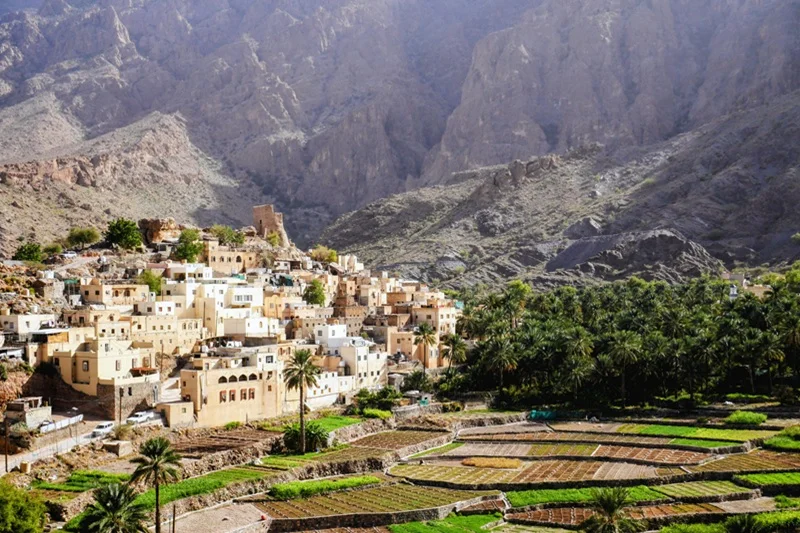
Although the Gulf has swishing summer heat that’s hotter than 45°C, there’s an exception, Oman. But set amidst the majestic Hajar Mountains are a number of villages which are situated high above and offer a respite from heat, fresh mountain air and breathtaking scenery.
They are significant outdoor experiences, traditional Omani culture and natural beauty all according to one. From the UAE to a peaceful summer getaway, these five mountain villages are worth putting in your travel bucket list.
Wakan Village
Wakan Village has a population of about 250, and is located around 2,000 metres above sea level, making it one of the most beautiful villages in the mountains of Oman. The village rests on the edge of Wadi Mistall and is well known for its well-keeped agricultural terraces and magnificent panoramic views.
Wakan’s most attractive feature is the mountain road that traverses the orchards containing pomegranates, apricots, grapes, seasonal fruits and over 700 steps. The elevation helps to maintain much cooler temperatures than the city of Muscat and other coast cities.
It should be noted that the last stretch of the route is for four-wheel-drive vehicles as the terrain is steep and rugged. But it is worth the effort due to the incredible view.
Al-Sugra
Located in the cliffs of Jebel Akhdar, Al-Sugra is one of the few places in Oman that provides a glimpse of mountain heritage. It is a settlement which has remained relatively isolated from modern development and has retained traditional architecture and lifestyle.
The village’s history is reflected by its use of traditional stone building techniques, its winding streets, and the ancient irrigation wells, or falaj, which provide water for the fields. Enjoy overnight accommodation in refurbished heritage houses which automatically stay cool throughout the warm summer months.
There are no roads in the village for cross-country walking so expect the exercise of walking up and down stairs to enjoy the village. This extraordinary trip can be enjoyed only with comfortable shoes on your feet.
Misfah al Abriyyin
The village of Misfah al Abriyyin is one of the most beautiful villages in the country, and is located near the foothills of the Jebel Shams mountain range. The village has plenty of date palms, bananas and terraced gardens, which provide a natural winter atmosphere.
Traditional mudbrick and stone houses are harmoniously integrated in the mountain environment. The visitors may enjoy the spectacular views of the canyon and walk along well maintained paths along flowing channels, called falaj.
The village is still a living community and therefore, proper clothing and conduct is imperative. Families and culture-seekers will find it a perfect place, with a tranquil ambience and shading on its walking pathways.
Balad sayt
Annually, thousands of visitors come to Balad Saty, one of the most famous villages in Oman and nestled amongst the rugged terrain of the Wadi Bani Awf. The elegant Village is set amongst magnificent cliffs and vibrant green terraces, making it seem like it hasn’t been touched by time.
Bald Sat is a popular location for hikers and adventure-seekers taking in the surrounding hikes and the renowned Snake Gorge. This area benefits from the special geography which allows for cooler nights and lots of shade during the day.
To reach the village you will have to go through difficult mountain tracks, so it is important to have a 4×4 with a high quality of clearance. Drivers need to have confidence in their skills on steep and winding off road routes.
Hadash Village
Hadash Village is one of the most serene mountain experiences in Oman for those who want to escape solitude in search of quiet. Situated in a very central area of Wadi Mistil, the village itself is quite obscure from the mainstream of tourists.
The area is densely forested and dotted with rugged peaks and deep valleys, particularly attractive to hikers and nature photographers. No development means timeless, untouched mountain living where visitors can enjoy it without the mass of people.
It is a long way off so make sure to have fuel, water, snacks and a few essentials with you. The payoff is a quiet, tranquil home with cool nights when a sweater is needed.
Don’t Miss These Stories
What are smart expat saving tips?
Explore practical money-saving strategies that help expats reduce daily expenses and survive rising costs in Gulf countries.
Why are Gulf workers facing rising costs?
Discover how increasing living expenses are impacting South Asian workers and reshaping financial stability across the Gulf.
Which GCC country is cheapest now?
Check out the most affordable GCC destination where expats can enjoy a lower cost of living without compromising lifestyle.
Where are budget-friendly GCC cities located?
Explore the top cities offering affordable living options for Indian and Asian expats across the Gulf region.
How is global inflation affecting Gulf life?
Discover how rising global inflation is influencing everyday expenses and reshaping expat lifestyles in the Gulf.
Why Oman’s Mountain Villages Stay Cool?
Elevation is their main insulation against hot summer temperatures in the villages. Many of them are located at altitudes between 1500 m and 2500 m above the sea level which can be 10 to 15 degrees cooler as compared to the coastal areas.
These, combined with the influence of the mountain breezes, history-cover and shaded valleys, can make natural micro climates, giving a heady dip break from the heat of the Gulf.
FAQs
Which is the easiest mountain village in the UAE to get into?
Misfah al Abriyyin is one the easier choices for first time visitors due to the easy walkways, gorgeous scenery and the different routes that could pass through it.
Does one need to have a 4×4 car to go to these villages?
In Wakan Village, Bald Sat and some routes to Hadash a 4×4 vehicle is highly recommended. It does facilitate powering on steep mountain roads and on gravel roads.
During which seasons/hours of the day can guests get hot?
During the summer, the temperatures in most of these mountain villages are 20° to 28° colder than at the Gulf.




UAE Flights Today: Latest Cancellations, Delays and Schedule Changes at Major Airports

US Approves Possible Sale of 48 F-35 Fighters to Saudi Arabia

Kuwait Army Chief Joins Paris Meeting on Lebanon’s Security

Dubai Announces New Standards to Improve Workers’ Accommodation

Indian PM Modi and UAE President Sheikh Mohamed Discuss Ways to Deepen Strategic Partnership

Museum Effect: How Abu Dhabi Is Redefining Soft Power?
-

 Entertainment1 week ago
Where to Watch Practical Magic 2 in Dubai and Abu Dhabi: Best Cinema Experiences
-
 News1 week ago
UAE President Welcomed With Official Reception at Villa Borsig in Berlin
-
 Reports1 week ago
UAE and Germany Launch Strategic Dialogue as New Agreements Are Signed
-
 Reports1 week ago
Saudi FM Faisal bin Farhan Joins International Space Summit in Paris