
Dubai
From Murshid Bazaar to Dubai Hills: What It Really Costs a Family to Move to Dubai’s Trendiest Neighborhood

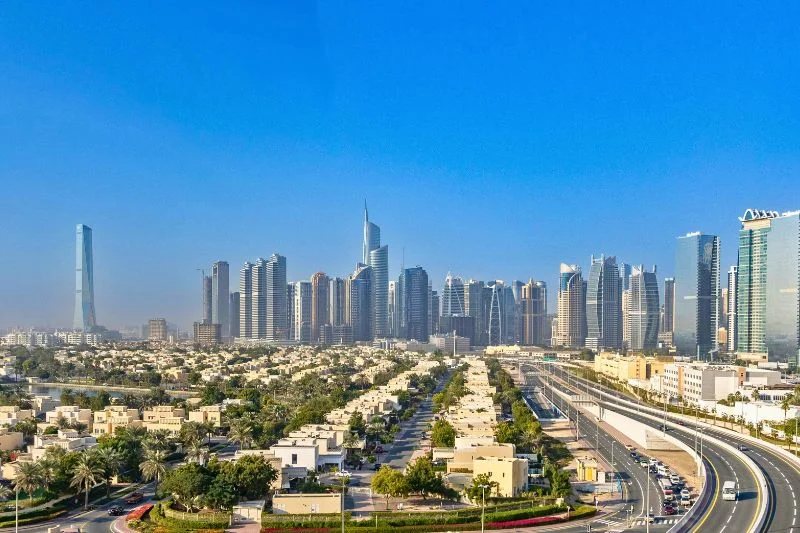
Poor areas in Dubai’s city are fast being replaced by newer developments known as master communities, which are swapping out older commercial neighborhoods in the city. While places such as Murshid Bazaar and Deira maintain the appeal of low-rent housing and its convenient links with wholesale markets, newer residential developments like Dubai Hills Estate are taking the place of families wishing to live more in line with their lifestyle.
That switch, however, is accompanied by a big change in financials. Given the many costs of relocating from Old Dubai to one of the city’s top residences, moving expenses can add up quickly to an extra AED 10,000 or so to a household’s monthly budget.
Why Are Families Leaving Older Dubai Districts?
We have traditional neighbourhoods which are budget and centrally located such as Murshid Bazaar, Naif and parts of Deira. The reason why many expatriates reside there is because it is near the trading hubs and metros and they can find inexpensive apartments there.
Growing families, however, are becoming very sensitive to the need for a less noisy environment, parks, schools and community facilities. Residents of Dubai are increasingly forced to move to newer suburban developments, due to overcrowding, lack of parking spaces and dilapidating structures in the city.
Cost Difference Between Old Dubai and Dubai Hills
In Murshid Bazaar or Deira City around the way, a 1-bed apartment is rentable at AED 35,000 to AED 55,000 yearly, depending on the building and area.
In Dubai Hills Estate rents are much higher. The cost of a modern one-bedroom apartment typically begins at AED 90,000 to AED 120,000 per year, with family-scaled homes, typically 2 bedrooms, going even higher–AED 160,000 or more per year. Now villas and townhouses head into an even coveted premium class.
Lifestyle Costs Increase Beyond Rent
Choosing to live in Dubai Hills isn’t just about paying more rent. When families benefit from an overall “lifestyle change,” it can affect how they spend money.
High-class communities have a much higher price for dining outlets, supermarkets, cafés, gyms and entertainment facilities, etc. inside the communities, compared to Old Dubai. Many are switching to higher-quality retail stores and convenience food options brought to their door, and some residents find that their monthly food costs increase dramatically as a result.
School and Childcare costs
When families move to Dubai Hills, they typically end up with the international schools that have a vicinity. This is good for the kids’ convenience and shortens their travel time, but spent money becomes important.
The fees for premium schools in Dubai Hills and surrounding are in the range of AED 40000 – 100000 per child per year. For the other side, many families residing in the Deira or Bur Dubai area will typically demand less tuition in more affordable alternative, curriculum schools.
Cost of transportation and daily commutes
Dubai Metro and public transport are of immense benefit to the inhabitants of Murshid Bazaar. There are plenty of households that do not require more than 1 car.
Dubai Hills, however, is a car reliant area. In many households, they need a car or two for taking children out for school, getting to work and going to the store. Expenses for fuel, Salik tolls, car finance, parking, insurance – all add thousands of dirhams each year to living costs.
Why Families Still Choose Dubai Hills?
Even though it is more expensive, the attractiveness of lifestyle and modern amenities have continued to draw people to Dubai Hills. In contrast to the older, denser districts, wide roads, parks with greenery, bicycle paths, family-friendly cafes and community security provide a more relaxed environment.
The area is also ideal for families that want to stay in Dubai for multiple years. Convenience and organising the life with the malls, the health care facilities and modern schools.
Don’t Miss These Stories
What are smart expat saving tips?
Explore practical money-saving strategies that help expats reduce daily expenses and survive rising costs in Gulf countries.
Why are Gulf workers facing rising costs?
Discover how increasing living expenses are impacting South Asian workers and reshaping financial stability across the Gulf.
Which GCC country is cheapest now?
Check out the most affordable GCC destination where expats can enjoy a lower cost of living without compromising lifestyle.
Where are budget-friendly GCC cities located?
Explore the top cities offering affordable living options for Indian and Asian expats across the Gulf region.
How is global inflation affecting Gulf life?
Discover how rising global inflation is influencing everyday expenses and reshaping expat lifestyles in the Gulf.
Is it financially worth it to move?
Moving to Dubai Hills is for some families more of a way of life than it is real estate. Having to spend more often places a greater emphasis on comfort, privacy, cleaner environments and community living whereas this is not a priority for the families that want to stay in the central city and pay less.
But, when one wants to move location, financial planning is a must with a sore head. In addition to their rent increases, it is advisable to estimate any hidden enhancements to one’s lifestyle which are naturally provided in luxury living spaces.
FAQs
What is the price of an apartment in Dubai Hills rental?
The cost of a rental in Dubai Hills generally begins at AED 90,000 per year for one bedroom apartment, and increases considerably for bigger family units or villas.
How much does Dubai Hills cost as opposed to Deira?
Yes, Dubai Hills has a higher cost of living than Deira’s since rent, school, eating, and getting around is more costly.
What are the reasons for families relocating to Dubai Hills?
Modern infrastructure, green spaces, schools, safety, and lifestyle focus are leading Dubai Hills to be largely chosen by families.


UAE Flights Today: Latest Cancellations, Delays and Schedule Changes at Major Airports

US Approves Possible Sale of 48 F-35 Fighters to Saudi Arabia

Kuwait Army Chief Joins Paris Meeting on Lebanon’s Security

Dubai Announces New Standards to Improve Workers’ Accommodation

Indian PM Modi and UAE President Sheikh Mohamed Discuss Ways to Deepen Strategic Partnership

Museum Effect: How Abu Dhabi Is Redefining Soft Power?
-

 Trends1 week ago
iOS 27 Release Date Confirmed: Apple’s New iPhone Update Arrives September 14
-
 News1 week ago
Bahrain International Airshow Postponed to 2028 Amid Regional Conflict
-
 Reports1 week ago
Unified GCC Visa Opens New Tourism Opportunities for Kuwait
-
 News1 week ago
Saudi Arabia Welcomes IAEA Consensus on Syria’s Nuclear File