Top Stories
How to Avoid Dehydration During Ramadan: Simple Hydration Tips

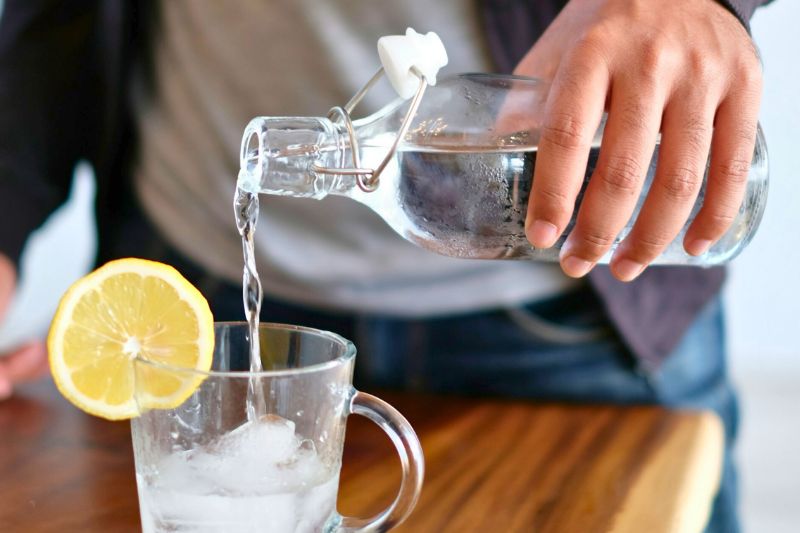
Ramadan fasting heightens dehydration risk, especially in warm climates, where 40% experience symptoms like fatigue/headaches. Key: 2.5-3L fluids between Iftar and Suhoor via steady sips, not gulps, for absorption. Prioritize water, coconut water (electrolytes), soups, yogurt; eat watermelon, cucumber, oranges (85%+ water). Avoid caffeine/salt/fried foods to reduce urine loss/thirst. Breakfast with dates for sugars/potassium; lukewarm water aids uptake. Limit sun exposure, light clothes, rest—ORS for high-risk. Experts: sip hourly post-Iftar, pre-Suhur; balance meals prevent bloating.
Hydration Timing Strategies
Sip 2.5-3L steadily Iftar-Suhoor; glass post-prayer/hourly. Lukewarm faster absorbed; start Iftar, bedtime, Suhur peaks.
Water-Rich Foods
Watermelon/cucumber/oranges/tomatoes >85% water; soups/broths add sodium gently. Dates break fast, replenish potassium/magnesium naturally.
Foods to Avoid
Caffeine (tea/coffee/soda) diuretics worsen loss; salty/fried/sugary spike thirst. Processed/pickles drain fluids—opt balanced low-sodium.
Social Media: Click here
FAQs
Daily fluid target Ramadan?
2.5-3L Iftar-Suhoor; sip hourly glasses, adjust activity/climate—steady prevents bloating.
Best breaking fast drink?
Dates + water/coconut water; electrolytes potassium restore balance post-fast.
Electrolyte sources natural?
Coconut water/bananas/yogurt; soups fruits replace magnesium/sodium lost sweating.
Caffeine impact fasting?
Diuretic increases urine; skip tea/coffee/soft drinks—herbal infusions better.
Dehydration signs action?
Dry mouth/fatigue/dizziness: ORS, rest, indoor cool—doctor if severe.


10 Best Places to Visit in Kuwait for First-Time Tourists on a Low-Cost Budget

Sheikh Mohammed Urges Leaders to Embrace Change, Empower People

Planning Your Long Weekend: Top Events and Getaways for the 2026 UAE National Day Break

EF Qatar Announces Three New Initiatives on Engineers’ Day

Kuwait Crown Prince Begins Official Visit to Switzerland After UNGA

Morocco Vows Solidarity With Saudi Arabia, King Mohammed VI Says, “Any Attack on Saudi Arabia Is an Attack on Morocco”
-

 Reports1 week ago
Kuwait Expands Global Humanitarian Support With Food, Water and Medical Aid
-
 News1 week ago
Qatar Strengthens Partnership With UN on Global Peace and Development
-
 Entertainment7 days ago
Saudi National Day 2026: 10 Family-Friendly Things to Do
-
 Reports1 week ago
Etihad Rail Launches Fujairah-ICAD Cargo Service to Boost UAE Trade