Top Stories
Saudi Arabia’s Desert Night Skies Are Becoming a Magnet and Pulling Stargazers

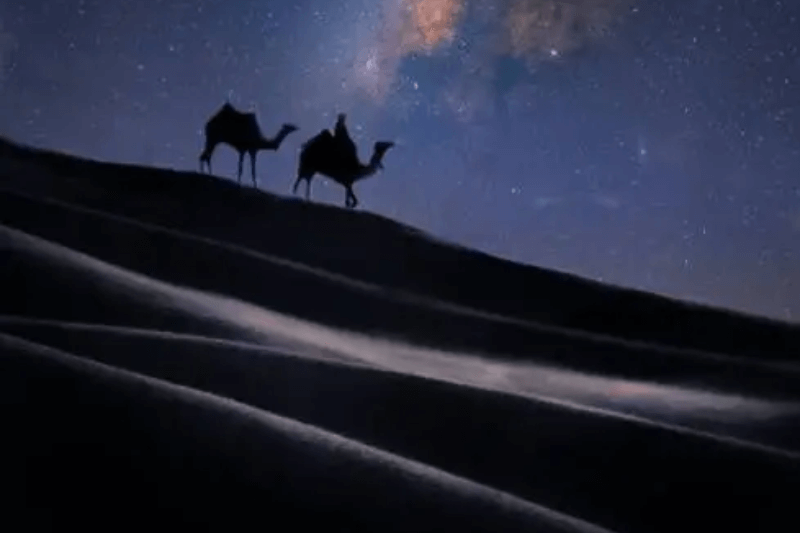
Saudi Arabia stargazing is no longer a niche hobby tucked away in travel brochures. Saudi desert night skies draw photographers, students, and astronomy clubs who want clean horizons, cool air, and quiet. AlUla stargazing sits at the centre of this shift, with dark sky tourism Saudi Arabia gaining steady traction. Feels overdue, honestly.
Why Saudi Arabia Is Emerging as a Global Stargazing Hotspot
Across long desert belts, towns sit far apart, so light glow stays limited and the sky turns properly dark. That helps serious observers track faint objects, and casual visitors spot the Milky Way in plain sight. Trains do not pass, loud horns rarely interrupt, even footfall feels softer on sand. That’s how it looks on the ground. The steady climb in Saudi astrotourism follows this basic truth, not any flashy campaign alone.
Organisers report packed weekend sessions during new moon windows, with bookings coming from the Gulf and beyond. Tour leaders say families arrive early, unpack small chairs, sip tea, and wait for the first star to pop. Simple ritual. And it works.
What Makes the Kingdom’s Desert Skies Perfect for Astronomy
Clear air, low humidity, and big skies do the heavy lifting. Dust can rise in some weeks, yet night winds often settle it by late evening. Temperature drops quickly after sunset, so gear cools faster and star images look sharper. Not every night behaves, but most do. The silence helps concentration, which matters more than people admit.
A typical session goes like this: watch twilight fade, align a tracker, test a short exposure, then stretch to thirty seconds and listen for nothing. Even beginners feel the change when the desert finally goes quiet.
AlUla’s Rise as the Centre of Dark-Sky Tourism in Saudi Arabia
AlUla stargazing draws visitors who want those dramatic rock pillars and a sky that actually holds. Guides point out familiar constellations, then swing to faint clusters that city eyes miss. Cafés close early; the desert stays open. Practical, that.
Evening programs often pair heritage walks with night-sky viewing, so guests step from Nabataean tombs to telescope eyepieces in one flow. Not flashy, just tight planning. Locals say tourism jobs grew around this rhythm, with small operators adding red-light torches, blankets, and hot drinks.
How Arabian Heritage and Ancient Astronomy Enrich the Experience
Star names with Arabic roots echo across the night. Navigation stories sit in memory, passed by traders, sailors, and desert travellers. Guides retell those routes using today’s star maps, and it lands with school groups quite well. Feels close to home for many.
Old timekeeping cues, moon phases, seasonal winds, and prayer timings intersect with the sky. That layered history makes casual observing feel grounded, like an evening class held under open air. That’s how it reads to visitors on most nights.
Saudi Arabia’s Investments in Dark-Sky Protection and Astrotourism
Road lighting near key sites shifts toward shielded fixtures and warmer tones. Resorts promote stargazing hours, keeping outdoor lights low or timed. Rangers remind visitors to use red lights, not phone flashes. Small habits matter, and they stick. The aim is simple, keep the sky dark without turning life upside down.
Training for guides covers safety, etiquette, and basic astrophotography tips. Another quiet change, but it shapes the visitor mood. People notice when a place cares for the night.
What Stargazers Can See in the Saudi Desert Night Sky
On a good night, the Milky Way rises wide enough to frame with short lenses. Planets sit bright, lining the horizon like markers. Meteor showers in peak season draw gasps, and a few lucky frames too. Children count shooting stars, adults pretend not to, then do. It’s fine.
Quick highlights many sessions include:
- Naked-eye Milky Way arches in mid-year windows.
- Bright planets near dusk or dawn, easy targets.
- Open clusters that pop cleanly in small binoculars.
Best Stargazing Destinations Across Saudi Arabia
Groups report strong conditions in:
- AlUla and Gharameel rock fields, for scenic silhouettes and steady skies.
- The Empty Quarter, for deep darkness and huge horizons.
- Hail desert tracks, easier access and friendly camping spots.
- Tabuk highlands, cooler nights, crisp views.
- Volcanic fields near Harrat areas, stark landforms that frame the sky.
Each site carries its own rhythm. Some need a 4×4, some do not. That’s important for planning.
Ideal Seasons and Conditions for Stargazing in the Kingdom
A cool season helps everything. Winter and early spring bring stable nights, longer darkness, fewer heat waves off the ground. Summer can work, though late nights feel warmer and insects can bother in a few pockets. People adapt with simple tricks, like light layers and quick breaks.
Moon Planning (simple table for trips)
| Phase | What it means on site |
| New moon | The darkest sky, the Milky Way stands clear. Best for deep-sky shots. |
| First quarter | Good for planets, star trails, rock silhouettes. |
| Full moon | Landscape portraits, bright foregrounds, softer stars. |
Tips for Planning a Safe and Rewarding Stargazing Trip
Carry water, extra layers, and a power bank. Tell someone the route. Sand looks gentle in daylight and confusing at night, so mark the car location on the phone. Tripods sink on soft patches, use flat stones or small feet. That trick saves many frames.
Small checklist that experienced groups repeat:
- Red-light torch, spare batteries, simple first-aid.
- Printed star chart or offline app.
- Snacks, hot tea, and a mat. Simple comforts keep morale steady.
The Future of Stargazing and Astrotourism in Saudi Arabia
Scheduled events, school tie-ups, and photography festivals are lining up across seasons. Operators speak of night-sky etiquette as a local habit, not a rulebook. That is a good sign. If lighting standards hold and access stays organised, Saudi astrotourism should grow without losing the silence that makes it work. Feels like the right path, and not overdone.
FAQs
1. Is Saudi Arabia stargazing suitable for first-time observers who have only seen city skies at night?
Yes, because many desert sites have low light glow, simple access, and guided sessions that start slowly.
2. Can families manage AlUla stargazing without heavy gear or advanced knowledge of astronomy terms?
Most tours provide basic equipment, short tutorials, and safe timings, so families can join without pressure.
3. Do Saudi desert night skies support astrophotography on entry-level cameras with kit lenses today?
Short exposures, a sturdy tripod, and a tracker if possible will deliver clean frames in darker locations.
4. Are there months that make dark sky tourism Saudi Arabia feel easier for planning and comfort?
Cooler months reduce heat shimmer, extend darkness, and improve comfort, which helps groups stay longer outside.
5. How do operators balance Saudi astrotourism growth with protection of wildlife and community needs?
Shielded lighting, red-light use, defined viewing zones, and trained guides lower disturbance while keeping access.


Nobel Prize 2026 Winners Full List Categories and Achievements

From Abu Dhabi to Brussels: Europe’s Growing Focus on the Muslim Brotherhood and Cross-Border Security

Top 10 Staycations and Overseas Trip Options for UAE Families During Nine Day Half Term School Break

UFC Fight Night Doha Tickets Go on Sale: Guide on Ticket Price, How to Buy Tickets and Attend the Event

Saudi Aviation Authority Confirms 1 Dead, 11 Injured on Sunday Riyadh Airport Attack

UAE Flight Suspensions Extend Across Saudi Arabia
-

 Reports3 days ago
UAE and Saudi Arabia Seek to Strengthen Rail and Infrastructure Integration
-
 Entertainment3 days ago
Lusail Circuit Opens Volunteer Applications for 2026 MotoGP and Formula 1
-
 Reports3 days ago
Kuwait Urges Unified Global Response to Terrorism and Financing
-
 News3 days ago
Trade Deal Talks Concluded Between UAE and Thailand