Top Stories
Desert to Green Zones: How Gulf Countries Are Re-engineering Their Ecosystems for a Hotter Future

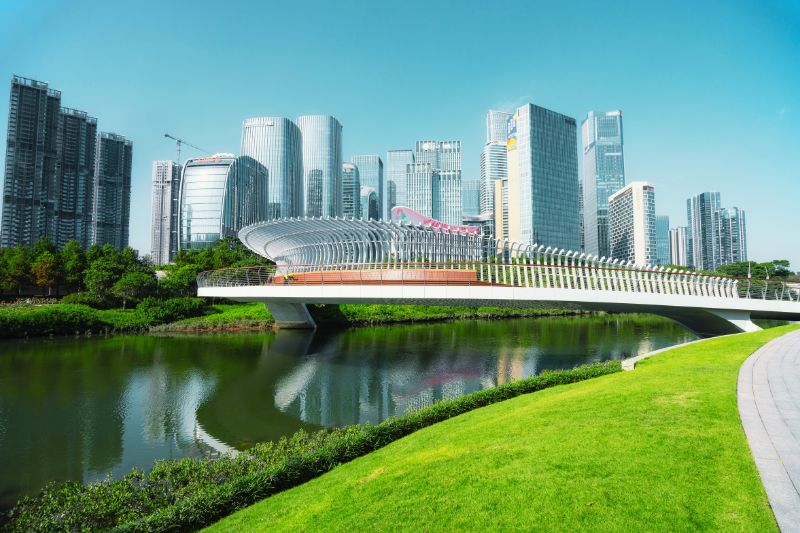
Climate change is moving through the Gulf far quicker than most people expected. Temperatures keep climbing, water sources are feeling the pressure, and the deserts that once defined the region are expanding faster than before. Because of that, Gulf countries have been forced to rethink more than just policies; they’ve had to rethink how people live, farm, and even how cities are designed. And in the middle of all this, something interesting has been happening: places that were once just stretches of sand are slowly turning green. Not everywhere, not all at once, but enough to show a clear shift in direction. For more trending and inspiring reads, head to our Top Stories page.
This isn’t a beautification project or a marketing push. It’s a survival strategy. The Gulf knows that ignoring climate stress would come with a high cost, not just for the environment, but for the economies and communities that depend on it. So countries like Saudi Arabia, the UAE, Qatar, Oman, Bahrain and Kuwait have started building a mix of nature-based solutions and high-tech interventions to prepare themselves for whatever the next decades bring.
Why This Green Shift Matters Now
The Gulf has always had a harsh climate, but the past few years have made the cracks in the system more visible. Heat waves drag on longer, random storms pop up in odd seasons, and freshwater has become a fragile resource. Because of this, the region has had no choice but to revisit its approach to agriculture, urban design and ecological restoration. The GCC’s sustainability roadmaps, Vision 2030 in Motion: How EVs Are Powering GCC’s Green Future. All share a common theme: reducing emissions, improving livability, and building economies that don’t rely solely on oil.
If you’ve been following climate developments in the Gulf, you’ve probably come across conversations around renewable energy in the GCC or the sustainability targets behind projects like NEOM. All of these efforts connect; they’re pieces of the same puzzle: figuring out how historically oil-driven nations adapt in a world that’s heating up.
How the Gulf Is Reengineering Its Ecosystems
1. Mangroves Make a Comeback
Mangroves have quietly become one of the Gulf’s most effective weapons against climate stress. They absorb carbon, help stabilise the shore, and support marine life.
- The UAE wants to plant 100 million mangroves by 2030
- Saudi Arabia is pushing major tree-planting drives under the Middle East Green Initiative
- Qatar continues to protect and expand mangrove zones in Al Khor and Al Thakira
These green barriers act as natural shields when storms hit and sea levels creep upward.
2. Cloud Seeding to Increase Rainfall
Cloud seeding has gone from an experimental idea to a routine operation.
- The UAE now conducts over 300 missions annually
- Saudi Arabia expanded the programme to Riyadh, Asir and Qassim
The aim is to boost rainfall by 10–30% in areas where even a small increase makes a big difference for farms and groundwater.
3. Smart Farming in the Middle of the Desert
Food security is a major focus, and the Gulf is reworking farming from the ground up through:
- Vertical farms
- Drought-resistant crops
- AI-guided irrigation
- Solar-powered greenhouses
Qatar, the UAE and Oman have already become strong regional players in controlled-environment agriculture.
4. Renewable Energy Reinvents Water Access
Desalination keeps the region running, but it’s usually energy-heavy. New approaches are fixing that.
- Saudi Arabia’s Al Khafji plant operates entirely on solar power
- The UAE is testing hydrogen-powered desalination systems
Cleaner power means cleaner, less carbon-intensive water production.
5. Massive Urban Green Projects Are Taking Shape
Gulf cities are adding greenery not just for aesthetics, but to cool down urban temperatures.
- NEOM’s “The Line” is designed for zero cars and zero emissions
- Dubai’s Green Spine , a 64-km eco-friendly route , is in progress
- Qatar keeps extending green belts around Doha
Even small patches of greenery help reduce heat trapped by concrete-heavy city layouts.
The transformation from empty desert to climate-resilient green zones shows that the region is treating sustainability as a necessity rather than a trend.
FAQs
1. Why are Gulf countries creating green zones?
Because rising heat and shrinking water supplies are becoming serious problems. Green areas help cool cities and protect the environment.
2. Who’s leading these efforts?
Mostly the UAE and Saudi Arabia. They’re ahead in mangrove planting and renewable-powered environmental projects.
3. What does cloud seeding actually do?
It helps squeeze a bit more rain out of passing clouds , useful in places that hardly get any rainfall.
4. Can deserts really turn green?
Yes, in controlled areas. With smart irrigation, desalinated water and heat-tough plants, big desert patches can support greenery.
5. Will future generations benefit from all this?
Absolutely. Cleaner air, cooler cities and better food and water security will matter a lot in the long run.


Nobel Prize 2026 Winners Full List Categories and Achievements

From Abu Dhabi to Brussels: Europe’s Growing Focus on the Muslim Brotherhood and Cross-Border Security

Top 10 Staycations and Overseas Trip Options for UAE Families During Nine Day Half Term School Break

UFC Fight Night Doha Tickets Go on Sale: Guide on Ticket Price, How to Buy Tickets and Attend the Event

Saudi Aviation Authority Confirms 1 Dead, 11 Injured on Sunday Riyadh Airport Attack

UAE Flight Suspensions Extend Across Saudi Arabia
-

 Reports3 days ago
UAE and Saudi Arabia Seek to Strengthen Rail and Infrastructure Integration
-
 Entertainment3 days ago
Lusail Circuit Opens Volunteer Applications for 2026 MotoGP and Formula 1
-
 Reports3 days ago
Kuwait Urges Unified Global Response to Terrorism and Financing
-
 News3 days ago
Trade Deal Talks Concluded Between UAE and Thailand