Top Stories
Vision 2030 in Motion: How EVs Are Powering GCC’s Green Future

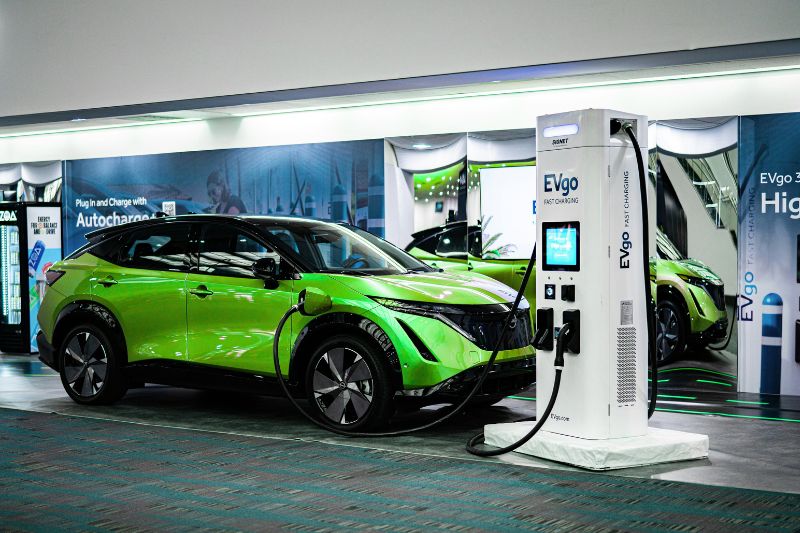
The Gulf Cooperation Council (GCC) is undergoing one of its most ambitious transitions in decades. With bold national programs like Saudi Arabia’s Vision 2030, the UAE’s Net Zero 2050, and Oman Vision 2040, the region is moving steadily away from its fossil-fuel-only identity and stepping into a more diversified, sustainable future. One of the most visible signs of this shift is the rapid adoption of electric vehicles (EVs) across Gulf cities.
While EVs used to be seen as a niche option suited mainly for environmentally conscious buyers, they have now become a strategic pillar in the GCC’s long-term economic and environmental goals. For more interesting stories, visit our Top Stories page.
Why EVs Fit Perfectly Into Vision 2030
The GCC’s sustainability roadmaps all share a common theme: reducing emissions, improving livability, and building economies that don’t rely solely on oil. EVs blend seamlessly into these goals. They cut carbon emissions, support renewable energy integration, and open doors to new industries like battery production, green mobility services, and automotive manufacturing.
Saudi Arabia, for instance, has set aggressive targets to put 30% of all Riyadh’s vehicles on electric power by 2030. NEOM has already announced plans for a fully electric, car-free environment in several zones, showing how deeply EVs are embedded in future planning.
Charging Infrastructure Is Growing Faster Than Expected
The GCC’s early challenge was the lack of accessible charging stations, but that gap is closing quickly. The UAE has taken the lead with one of the highest charger-per-capita ratios in the region. Dubai’s EV Green Charger initiative continues expanding with every passing quarter, and Abu Dhabi is rolling out high-speed public chargers along major highways.
Saudi Arabia is investing heavily as well. The Public Investment Fund (PIF) has backed the rollout of nationwide charging corridors, making long-distance EV travel more practical. Qatar, Bahrain, and Oman are also expanding their charging networks in line with their national climate strategies.
Homegrown EV Industries Are Taking Shape
One of the most exciting developments is that GCC countries are no longer content with being mere EV consumers. They want to be producers. Saudi Arabia has already launched Ceer, the Kingdom’s first local EV brand, in partnership with Foxconn. The UAE is also encouraging assembly projects and EV-tech manufacturing zones as part of its economic diversification strategy.
The ripple effects are significant , more jobs, more technology transfer, and a stronger regional value chain.
EVs Are Helping Reduce Carbon Emissions in Real Numbers
While the GCC has always been associated with oil, its carbon reduction efforts are becoming impressively tangible. Every new EV removes tailpipe emissions from Gulf roads, and when paired with the region’s booming solar power generation, the impact grows even stronger.
The UAE already sources a large share of its energy from renewables, meaning EVs charged locally leave a far smaller carbon footprint. Saudi Arabia’s push toward large-scale solar and hydrogen projects will create similar outcomes as clean energy integrates into the grid.
Consumers Are Embracing the Shift
A few years ago, Gulf residents were hesitant about EVs due to concerns about range, charging access, and extreme temperatures. Those concerns are fading fast. EVs have proven they can handle the Gulf’s climate, and newer models offer excellent range and reliability.
Lower running costs also play a big role. EV owners save significantly on fuel, servicing, and long-term maintenance, a compelling advantage in a region where people drive long distances daily.


Nobel Prize 2026 Winners Full List Categories and Achievements

From Abu Dhabi to Brussels: Europe’s Growing Focus on the Muslim Brotherhood and Cross-Border Security

Top 10 Staycations and Overseas Trip Options for UAE Families During Nine Day Half Term School Break

UFC Fight Night Doha Tickets Go on Sale: Guide on Ticket Price, How to Buy Tickets and Attend the Event

Saudi Aviation Authority Confirms 1 Dead, 11 Injured on Sunday Riyadh Airport Attack

UAE Flight Suspensions Extend Across Saudi Arabia
-

 Entertainment3 days ago
Lusail Circuit Opens Volunteer Applications for 2026 MotoGP and Formula 1
-
 Reports3 days ago
UAE and Saudi Arabia Seek to Strengthen Rail and Infrastructure Integration
-
 Reports3 days ago
Kuwait Urges Unified Global Response to Terrorism and Financing
-
 News3 days ago
Trade Deal Talks Concluded Between UAE and Thailand