Top Stories
Muscat Travel Guide: Beaches, Culture & Cuisine for 2025 Trips

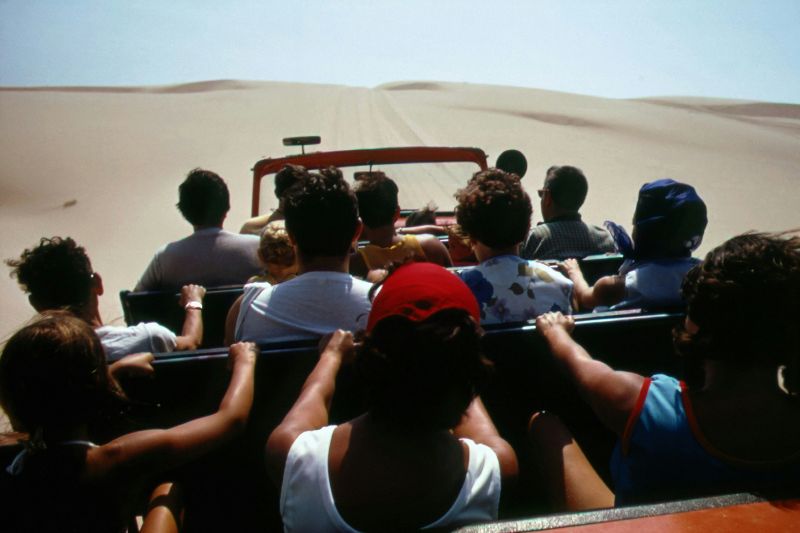
This Muscat travel guide tracks what visitors actually look for: Muscat beaches, Muscat culture, and Omani cuisine, all stitched into one clean brief. Sea air in the morning, frankincense by noon, grilled mishkak at night. Simple plan, steady rhythm. That’s how it reads anyway. Get the latest stories and insights on our Gulf Independent News page.
Why Visit Muscat?
The city sits between the Gulf and the Hajar hills, so a short cab ride swings from surf to stone. Traffic feels calmer than many capitals, and the old corniche still smells of salt and spice. People talk soft, markets speak louder. Small details win the day.
A regular afternoon shows families at Qurum, office workers cutting across Mutrah after tea, tourists counting the mosque’s arches one by one. No frenzy. Just pace. That steadiness suits first-timers who want a clear map and real scenes. Sounds ordinary, works beautifully.
Read Also: Why Oman Is the Next Big Travel Hotspot in the Gulf
Top Beaches in Muscat You Can’t Miss
Qurum Beach draws the biggest crowd, cafés humming, volleyball lines scuffed into the sand. Sunset lands gold on the water, phones go up, kids chase the last wave. A bit busy, yes, but it feels safe and open. That’s our sense of it.
Al Bustan and Bandar Jissah sit in quiet coves, backed by dark rock and still water on mild days. Fewer stalls. Cleaner sand. Mornings here come with seabirds and that faint diesel note from a fishing skiff passing by. Small scene, big effect.
Daymaniyat Islands need a boat and a little patience. Clear water, coral, turtles if luck clicks. Guides insist on timing with the tides, so planning matters. A breeze cuts the heat, masks fog a little, everyone smiles when the first parrotfish flashes. Good moment.
Discovering Muscat’s Cultural Soul
Sultan Qaboos Grand Mosque anchors a day’s route. Marble cool underfoot, chandeliers bright, dress codes posted clearly. Early arrival keeps the halls quiet, and guards explain rules with polite precision. No rush. Just the hum of visitors moving in step. Feels right.
Mutrah Souq sits a few minutes away, lamps piled like stars, frankincense jars breathing out warm, sweet smoke. Shopkeepers chat in Arabic, English, Hindi, all mixed without effort. Bargaining stays friendly. One vendor tells a quick story about a sailor uncle. True or not, who knows.
Al Jalali and Al Mirani watch the harbor from their rocky perches. Old cannons, stern walls, salt wind. The view gives a straight line across the bay to the white curve of homes. On quiet afternoons, only gulls interrupt. Silence gets its own space here.
A Taste of Muscat – Omani Cuisine & Local Dining
Street corners turn busy at dusk. Skewers hit the grill for mishkak, fat hisses, smoke drifts across parked cars. Orders move fast, sauces lean sweet-spicy, and fingers do the work. People nod, keep eating, and say nothing much. Good food doesn’t need speeches.
Traditional kitchens bring shuwa on special days, slow-cooked, scented with spice and leaf, meat falling apart in soft strands. Halwa arrives glossy, rose-scented, a quick sugar lift with a tiny burn of saffron at the end. Restaurants like Bait Al Luban and Kargeen keep it steady. No fuss.
Seafood reaches tables fresh: kingfish, tuna, prawns. One waiter suggests lime, a pinch of black pepper, nothing else. He’s right. Sometimes it’s the small habits that matter. And yes, vegetarian plates appear more often now, especially near the central malls. Variety shows up quietly.
3-Day Muscat Itinerary
A compact plan that skips guesswork and keeps the pace even.
| Day | Morning | Afternoon | Evening |
| 1 | Qurum Beach walk | Mutrah Corniche and Souq | Harbor sunset, seafood dinner |
| 2 | Grand Mosque tour | Old Muscat, museum stop | Fort viewpoints, tea by the water |
| 3 | Daymaniyat snorkel trip or hill drive | Quiet cove at Bandar Jissah | Late dessert and coffee |
If the sea turns rough, switch Day 3 to the hills. Locals do the same on windy days. No point arguing with the tide.
Quick Travel Tips for First-Timers
- Cash for small rides, cards for rooms.
- Early mosque entry, shoulders and knees covered.
- Friday mornings stay slow; plan sightseeing after prayers.
- Carry a scarf or cap; the sun bites even in winter.
- Confirm boat timings a day prior; coast guards check permits.
Planning Your Trip
Peak season runs November to March, cooler mornings, cleaner skies. Summer gets heavy and dry, so timing helps. Hotels cluster near Shatti Al Qurum, Mutrah, and the diplomatic district. Choose by commute, not just star lines. Saves time, saves mood.
Transport works best by taxi or self-drive. Metered cabs exist, apps too, but drivers still prefer clear pickup points. Carry cash for small hops. Dress codes remain modest in public spaces, and signage is clear at religious sites. Simple rules, easy day.
FAQs
1. What is the best time to follow this Muscat travel guide for beaches, culture, and cuisine together?
Cool months between November and March keep outdoor walks pleasant and market visits comfortable, so the full mix works better.
2. How crowded do Muscat beaches get during late afternoons on regular weekdays and peak weekends?
Qurum grows busy near sunset, while smaller coves stay calmer; early mornings remain the quiet slot most days.
3. Are modest clothing rules strict at cultural sites like the Grand Mosque and nearby heritage spaces?
Yes, guidelines are posted and enforced politely, so covered shoulders and knees keep entry smooth without awkward conversations.
4. Does the Daymaniyat trip need advance booking during cooler season when boats run more regularly?
Guides prefer early confirmation for permits and safe slots, and weather checks can shift timings by a couple of hours.
5. Can vegetarians still enjoy Omani cuisine in Muscat without struggling at typical local restaurants?
Menus now include salads, grills, rice plates, and breads, and staff suggest simple swaps without making a big deal about it.


UAE Creates New Government Authority to Enhance Public Services

QSFA Announces Men’s Padel Tournament for November

Kuwait Announces 10-Hour Water Network Maintenance in Four Areas

Beyond Real Estate: 7 Lucrative Investment Opportunities in Dubai

Beyond the Missiles: What the Houthis’ Saudi Airport Attacks Signal?

Dubai Investment Opportunities: Sheikh Mohammed Says Now Is the ‘Ideal Time’ to Invest in Dubai
-

 Reports6 days ago
UAE and Saudi Arabia Seek to Strengthen Rail and Infrastructure Integration
-
 Entertainment6 days ago
Lusail Circuit Opens Volunteer Applications for 2026 MotoGP and Formula 1
-
 Reports6 days ago
Kuwait Urges Unified Global Response to Terrorism and Financing
-
 News6 days ago
Etihad Suspends Riyadh Flights After Houthi Attacks