
Saudi Arabia
Saudi to India Remittance: Safe and Smooth Money Transfer Guide

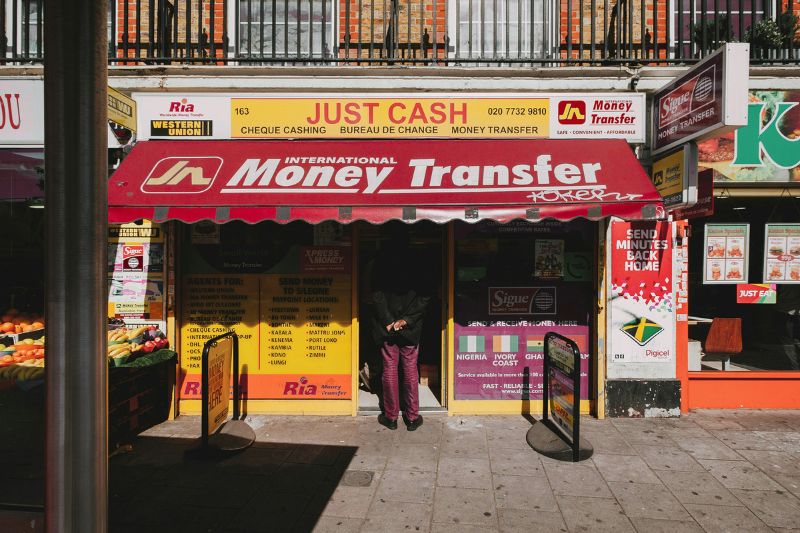
At airport counters in Riyadh and Dammam, suitcases roll, phones buzz, and one thought repeats in quiet voices: How to Send Money Home Safely from Saudi to India. The routine feels simple, yet details decide outcomes. Small checks, steady timing. That’s how it goes sometimes. For more interesting stories, and updates visit our Top Stories page.
What are the Rules and Requirements?
Saudi-licensed banks and exchange houses ask for proper ID, purpose, and clean trail of earnings. Indian banks expect accurate beneficiary name, account number, IFSC, plus transfer purpose marked correctly. Slight spelling errors cause hold-ups.
A missing digit, and queues get longer. Staff usually help, but paperwork still matters. Keep salary slips, residence card, and bank statements handy. Originals in a folder, scans in the phone, both ready. Carry them like travel snacks. Simple habit, fewer surprises. That’s how it is.
Weekends complicate timing. Saudi branches rest on Friday and Saturday. Indian credit often lands faster on business days. Public holidays add silence to the system. Transfers started late evening may get pushed to the next cycle. Nothing dramatic, just the clock doing its thing.
Best Ways to Send Money from Saudi to India
Banks remain the steady workhorse. Online portals inside local banks move rupees to Indian accounts with tracking. Exchange houses run dedicated counters and apps with competitive rates. Specialist apps focus on speed and transparent breakdowns.
Cash pickup exists, but account credit feels cleaner for families paying EMIs or school fees. Card funding looks quick, though fees can nibble at the amount. Rate alerts help. Some people split large amounts into two batches. Safer pacing, less anxiety. Feels boring, works.
Comparing Transfer Options
| Method | Speed | Typical Costs | Convenience | Notes |
| Local bank transfer | Same day to 2 days | Fixed fee + rate margin | High | Strong support, reliable tracking |
| Exchange house app | Minutes to 24 hours | Lower fees in promos | High | Good for frequent senders |
| Specialist remitter | Minutes to 24 hours | Transparent fees | High | Clear rate locks, clean UX |
| Cash pickup | Hours | Higher fee risk | Medium | Use only when account credit not possible |
| Card-funded transfer | Fast | Card charges may apply | High | Watch funding and FX charges |
That table is not perfect, but it mirrors daily choices.
Step-by-Step Guide to Sending Money Safely
- Confirm beneficiary data exactly as on the Indian bank account. Full name, account number, IFSC, branch. Ask the family to send a screenshot of their passbook or app
- Compare two or three providers before pressing pay. Rate plus fee, not rate alone
- Pick timing earlier in the week. Avoid late Thursday starts. Friday silence is real
- Upload documents cleanly. No cropped IDs, no shadows on the photo. Systems reject fuzzy images
- Lock the amount in SAR, verify the INR shown to the recipient. Screenshot the summary
- Save the transaction reference. Share the reference with the family
- Check credit in the Indian account within the expected window. If delayed, raise a ticket with exact timestamps. Keep it calm, but persistent. That’s how issues move
Safety Tips to Avoid Scams and Delays
Scammers mimic official logos with tiny spelling tricks. Links look neat, but URLs feel off. Type official sites manually. Never share OTPs or full card numbers on chat. Staff never ask for that, no matter how polite the voice. Public Wi-Fi at a café in Khobar feels convenient; skip it for money tasks. Mobile data is cleaner. Keep SMS alerts on for both sending and receiving banks. If an agent pushes for cash handover in a parking lot, step away. No need to be heroic. Just walk.
Three quick cues:
• Unusual urgency.
• Strange fee explanations.
• Requests for screenshots of full card front and back.
Any one of these, cancel and re-start carefully. Sometimes it’s the small habits that matter.
Cost-Saving Strategies
Track SAR-INR across a week, not just one morning. Rates move like the AC hum in a quiet room. Slight, constant. Bulk transfers once a month may reduce fees, though some prefer two smaller batches to manage home bills. Promo codes by exchange houses during festivals cut a few riyals. Loyalty tiers add up over a year.
Bank salary accounts sometimes unlock special corridors for Indian transfers. Ask at the branch counter; a five-minute chat saves a year’s worth of small leaks. And store every receipt as PDF. End of year, those numbers help families plan school admissions, repairs, or a gold purchase. Feels like real work sometimes.
Frequently Asked Questions
1. How long do bank-to-bank transfers usually take for Saudi to India during a normal workweek?
Most transfers settle within a few hours to one business day, with speed affected by cut-off times, holidays, and verification steps on either side.
2. What details must match exactly to avoid rejection by the Indian bank system at credit time?
Beneficiary full name as per bank records, account number, IFSC, and sometimes address lines must match without spelling mistakes.
3. Do exchange house apps give better effective value compared with local banks on average?
Often yes during seasonal offers, though comparisons must include both fees and rate margin, not one number in isolation or marketing banners.
4. What is the safest document checklist to carry while initiating a first-time transfer across this corridor?
National ID or iqama, passport copy, salary proof, beneficiary proof, and a clean screenshot of the Indian bank details save a lot of back-and-forth.
5. How should families respond if money shows as debited in Saudi but not yet credited in India?
Note exact timestamps, keep the transaction reference, contact support, and request status traces, while alerting the Indian branch for incoming funds.


Nobel Prize 2026 Winners Full List Categories and Achievements

From Abu Dhabi to Brussels: Europe’s Growing Focus on the Muslim Brotherhood and Cross-Border Security

Top 10 Staycations and Overseas Trip Options for UAE Families During Nine Day Half Term School Break

UFC Fight Night Doha Tickets Go on Sale: Guide on Ticket Price, How to Buy Tickets and Attend the Event

Saudi Aviation Authority Confirms 1 Dead, 11 Injured on Sunday Riyadh Airport Attack

UAE Flight Suspensions Extend Across Saudi Arabia
-

 Reports3 days ago
UAE and Saudi Arabia Seek to Strengthen Rail and Infrastructure Integration
-
 Entertainment3 days ago
Lusail Circuit Opens Volunteer Applications for 2026 MotoGP and Formula 1
-
 Reports3 days ago
Kuwait Urges Unified Global Response to Terrorism and Financing
-
 News3 days ago
Trade Deal Talks Concluded Between UAE and Thailand