Top Stories
Essential Rules and Etiquette for Foreigners Visiting Saudi Arabia


Saudi Arabia has become an open country to international tourists, but it is imperative to uphold local practices and Islamic culture to have a safe and pleasant experience. The Kingdom is run by strict rules on dressing, behavior and the practice of religion, punishments include fines, deportation in case of serious offenses. As highlighted in UAE latest News, Travel Updates, receiving and obeying these cultural norms shows your respect to your hosts and at the same time you will be enjoying the amazing hospitality and spiritual colorfulness of the country.
Dress Code Requirements
In the case of women: loose-fitting ankle-long items (like an abaya, traditional long robe) should cover you all over. Cover your hair with Hijab or headscarf, particularly in places of worship and in open places. Regulations have loosened a bit but very tight or revealing clothes are not appropriate and may draw wrong attention.
Men: Long pants and long-sleeved shirts, shorts and sleeveless tops are disrespectful. Although foreign men are not expected to dress in a traditional Saudi way, a conservative dress is a sign of cultural sensitivity and respect.
Greetings and Social Interactions
Shake hands with men and never greet a woman before she makes an attempt to shake your hand. She should not extend her hand, a polite nod or verbal greeting is enough. Apply the customary Arabic greetings like As-salamu alaykum (peace be upon you) to show respect and culture sensitivity.
Do not display affection in the streets such as holding hands or kissing your partners because it is unacceptable and a taboo in the conservative society. Even married couples ought to play down open demonstrations of affection so as to adhere to the norms of the locality.
Religious and Sacred Site Respect
Carry, use or try to smuggle alcohol or drugs- fines of up to 100, jail up to 2 years and deportation. The state religion is Islam and it permeates every facet of life and it is important not to criticize the Islamic traditions, mock Islamic believers, or abuse the religious locations.
Visiting the Prophet Mosque in Medina, come in with your right foot with traditional prayers, maintain the low tone of voice, dress decently, and do not take pictures. Women are obligated to use special entrances (Gate 25), specific Rawdah schedules and mandatory appointments via the Nusuk app.
Dining and Food Etiquette
Eat and accept whatever with your right hand because the left hand is considered to be dirty. Eat together out of communal dishes with bread to pick your food instead of utensils that have been in contact with your mouth. Take food and beverages when they come and do not eat until your host brings up food, as a sign of respect.
Photography and Government Respect
As a rule, one has to ask express permission to capture some photos of individuals particularly women-respect instantly in case a person refuses. It is also important not to take photographs of government buildings, military installations, or critical infrastructure since, in that case, one may be arrested, as it is a criminal offense.
One must not talk or post about the Saudi government, royal family, or political system in a negative way in public or on social media, which is against the law and may result in fines, arrest or deportation.
Prayer Times and Daily Life
Honor the five prayer times of the day during which the shops and the streets are closed and no one sees anyone anywhere in the streets. No one should carry on sightseeing or shopping during prayer times, so one should wait silently until prayers end. When you pass by when you hear the call to prayer, stand up in respect till the time of prayer is over.
At Saudi Homes
Take off your shoes at the entrance and take the slippers that are given to you by your host. Wear light during visits to the house and dress cleverly, and family places have special respect. There is no need to refuse their hospitality since Saudis are proud of their welcoming culture.


Nobel Prize 2026 Winners Full List Categories and Achievements

From Abu Dhabi to Brussels: Europe’s Growing Focus on the Muslim Brotherhood and Cross-Border Security

Top 10 Staycations and Overseas Trip Options for UAE Families During Nine Day Half Term School Break

UFC Fight Night Doha Tickets Go on Sale: Guide on Ticket Price, How to Buy Tickets and Attend the Event

Saudi Aviation Authority Confirms 1 Dead, 11 Injured on Sunday Riyadh Airport Attack

UAE Flight Suspensions Extend Across Saudi Arabia
-

 Reports3 days ago
UAE and Saudi Arabia Seek to Strengthen Rail and Infrastructure Integration
-
 Entertainment3 days ago
Lusail Circuit Opens Volunteer Applications for 2026 MotoGP and Formula 1
-
 Reports3 days ago
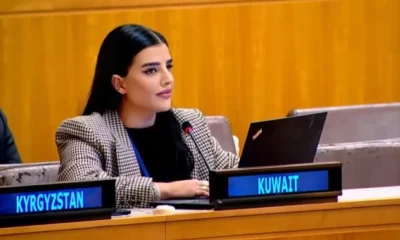
Kuwait Urges Unified Global Response to Terrorism and Financing
-
 News3 days ago
Trade Deal Talks Concluded Between UAE and Thailand