
News
Currency Exchange Rate Today: AED vs USD, Euro, INR, PKR, BDT

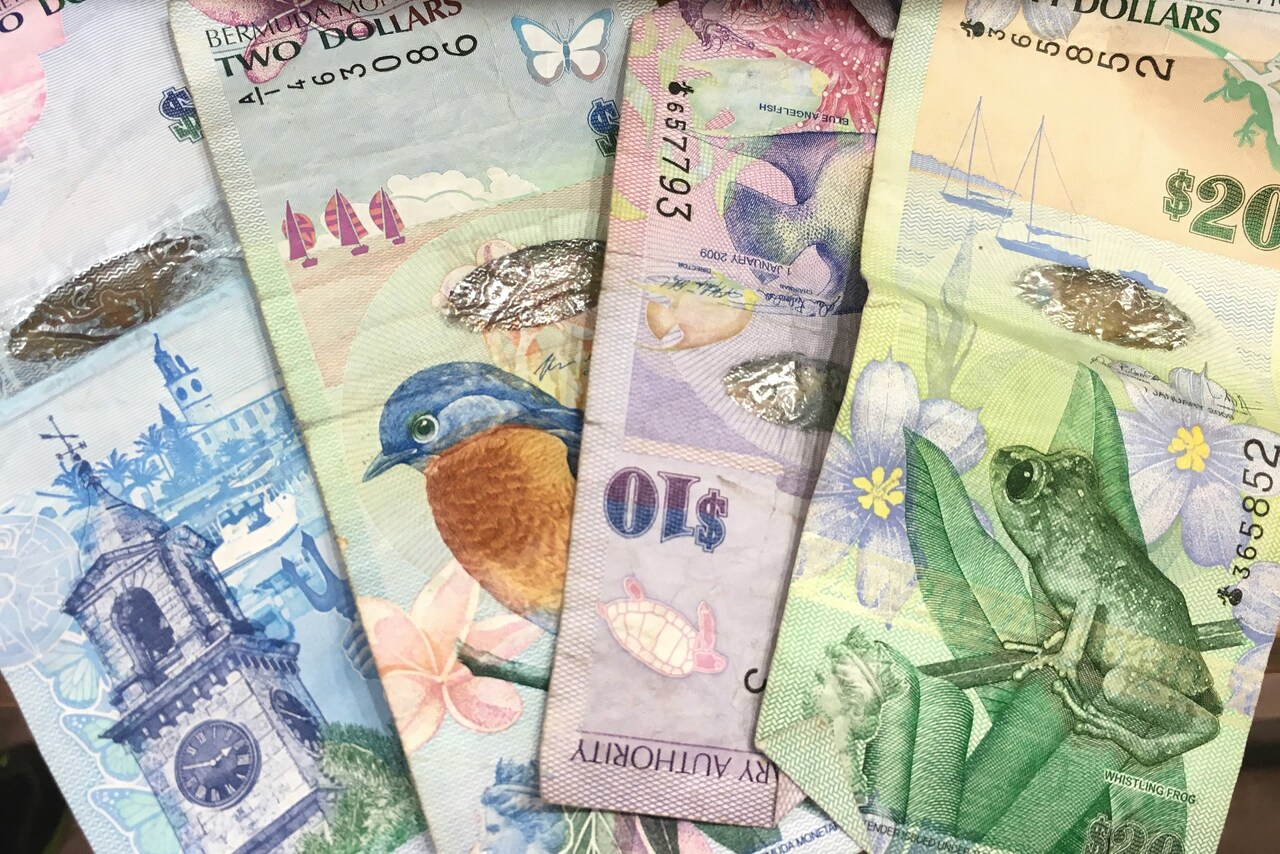
Step into a money exchange counter in Dubai and you’ll notice heads bent over rate boards. Families waiting to send money home, tourists with pockets full of cash. The dirham stands steady against the dollar yet swings differently against other currencies each morning.
To stay abreast of these daily swings, Gulf News provides comprehensive coverage of UAE forex markets, detailing how global events influence local exchanges and remittances. Comparing previous Dubai Currency Rates from September 29 reveals the AED holding firm at 3.67 to the USD but dipping 0.5% against the GBP due to UK policy shifts. Such insights help families and tourists navigate the bustling counters with confidence, turning routine transactions into strategic decisions.
AED and USD Currency Exchange Rate
The peg between the UAE dirham and the US dollar remains firm at 3.6725. For traders in Jebel Ali and finance managers in Abu Dhabi, this peg is more than a number on a screen. It keeps contracts predictable and oil transactions stable.
AED vs Euro (EUR) Today
The euro tells another story. At about 0.23 euro for one dirham today, the rate slips and rises with Brussels politics and Frankfurt inflation meetings. A family from Paris shopping in Dubai Mall feels the pinch when the euro weakens on any given day.
AED vs Bangladeshi Taka (BDT)
One dirham now equals close to 33 taka. That number matters when a Bangladeshi worker in Sharjah lines up at an exchange house on payday. A thousand dirhams wired means over thirty-three thousand taka back in Dhaka, helping parents cover school uniforms and groceries.
AED vs Pakistani Rupee (PKR)
In Arab countries, the flow of remittances to Pakistan is constant. Around 76 to 77 rupees exchange for a dirham today. Families in Lahore wait for that monthly transfer, and even a fractional change affects how much medicine or rent the rupees will cover.
AED vs Russian Ruble (RUB)
The ruble has been bouncing under sanctions and oil shocks. Against the dirham, one feels that instability. Russian tourists strolling through Dubai’s souks notice how many rubles it takes for a simple gold trinket. A week’s difference can mean fewer shopping bags carried home.
AED vs Indian Rupee (INR)
One dirham now trades for about 24 rupees. That figure matters to the Indian community scattered across Dubai, Abu Dhabi, and Muscat. A remittance worth a few thousand dirhams can cover college tuition in Mumbai or a wedding expense in Kerala, making every decimal count.
Global Market Factors Affecting AED Cross Rates
While the dollar peg shields the dirham from dramatic swings, cross rates shift with winds blowing across oil markets, central bank moves, and trade flows. A quick glance at global headlines often explains why tourists pay more one week and less the next.
Impact of Oil Prices
Oil above ninety dollars a barrel strengthens confidence across Arab countries. More dollars pour into Gulf economies, keeping the dirham strong. Import-heavy nations tied to these flows see their currencies slide. A driver in Cairo or Dhaka indirectly feels these ripples at fuel pumps.
Central Bank Policies
When the US Federal Reserve lifts interest rates, the Central Bank of the UAE usually follows. That alignment defends the peg but makes life harder for softer currencies. For expatriates, it means fewer takas or rupees for each dirham when sending money home.
Regional Trade Trends
Trade routes stretching from Dubai to Europe and Asia depend on margins that shift with exchange boards. Importers watch the euro-dirham rate before closing a shipment. Exporters to South Asia calculate profits daily, adjusting prices to avoid seeing revenue eroded by weaker partner currencies.
Latest Market Watch: What to Expect Next
Market watchers expect the dirham to remain anchored firmly to the dollar. The euro may gain slight ground if inflation eases across Europe. South Asian currencies could remain under pressure, especially if the US strengthens further. Remittance patterns across Arab countries will remain steady, but families will continue checking rate boards each morning. Small shifts decide if a remittance buys extra rice or pays another bill. For tourists, the lesson is simple: check the numbers before planning that shopping spree.





Nobel Prize 2026 Winners Full List Categories and Achievements

From Abu Dhabi to Brussels: Europe’s Growing Focus on the Muslim Brotherhood and Cross-Border Security

Top 10 Staycations and Overseas Trip Options for UAE Families During Nine Day Half Term School Break

UFC Fight Night Doha Tickets Go on Sale: Guide on Ticket Price, How to Buy Tickets and Attend the Event

Saudi Aviation Authority Confirms 1 Dead, 11 Injured on Sunday Riyadh Airport Attack

UAE Flight Suspensions Extend Across Saudi Arabia
-

 Reports3 days ago
UAE and Saudi Arabia Seek to Strengthen Rail and Infrastructure Integration
-
 Entertainment3 days ago
Lusail Circuit Opens Volunteer Applications for 2026 MotoGP and Formula 1
-
 Reports3 days ago
Kuwait Urges Unified Global Response to Terrorism and Financing
-
 News3 days ago
Trade Deal Talks Concluded Between UAE and Thailand