
Reports
Fajr Prayer Time Today in Riyadh, Dubai, Abu Dhabi, Doha

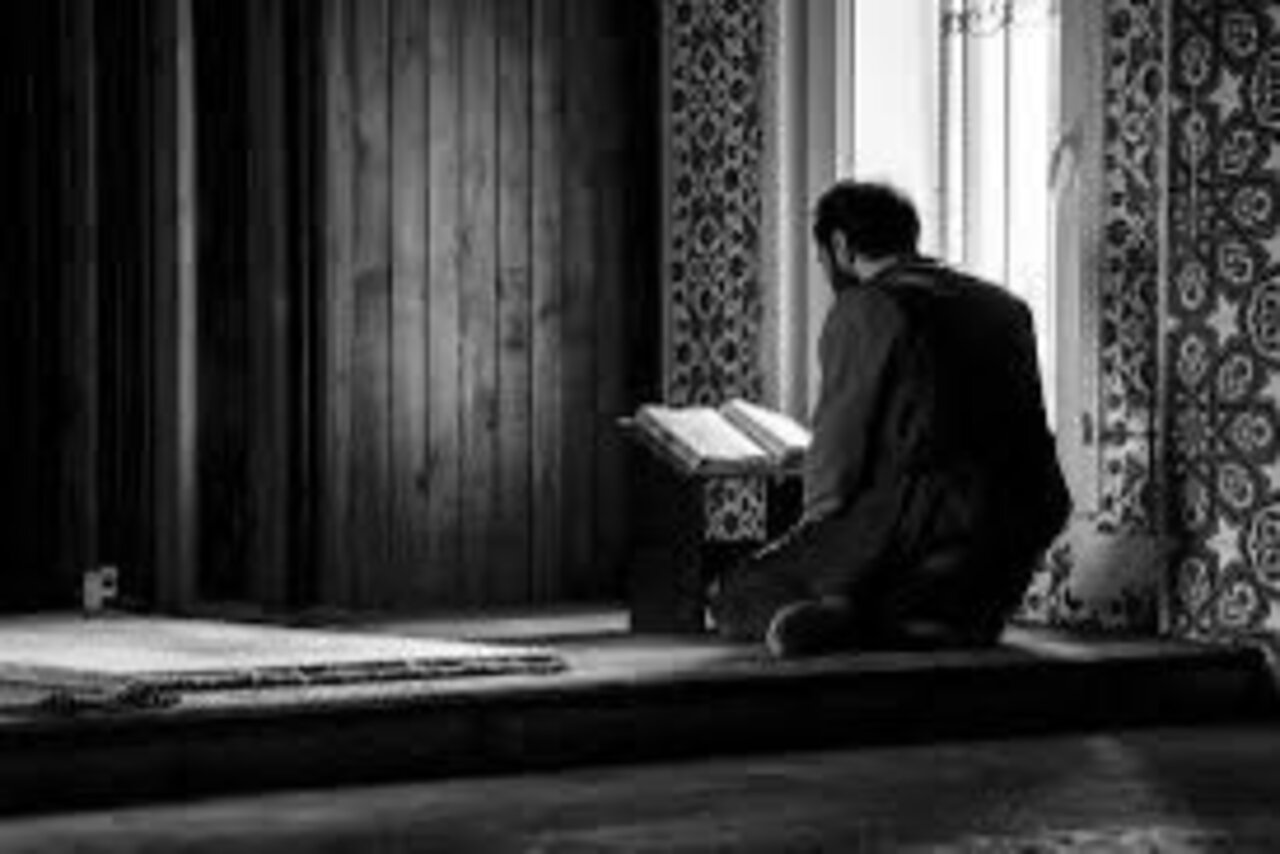
The Gulf wakes in silence before dawn. Air is cooler, traffic has not yet begun, and the sound that breaks it is the call to Fajr prayer. In Riyadh, Dubai, Abu Dhabi, Doha, ManamaManama, Muscat, and Kuwait, these early hours mark the first duty of the day. For many, alarms ring before the adhan, while others wait to hear the familiar voice from a nearby mosque.
The time is checked closely, sometimes the night before, because Fajr must be prayed before sunrise. Today’s timings again show how each city starts its morning rhythm at slightly different minutes.
Fajr Prayer Time Today – City-Wise Updates
Every Gulf city sets its prayer times by the movement of the sun. They may differ only by minutes, but those minutes matter. People plan sleep around them, workers rise early, and parents often prepare children for school after prayer. The times for today are as follows:
- Riyadh: 4:20 AM
- Dubai: 4:46 AM
- Abu Dhabi: 4:50 AM
- Doha: 4:00 AM
- Manama: 3:58 AM
- Muscat: 4:37 AM
- Kuwait City: 4:09 AM
The list may look like numbers, yet on the ground, they shape real life. In Manama, prayer comes before four, when streets are nearly empty except for a few bakeries preparing dough.
In Dubai, the call is later, around the time delivery vans start moving quietly through the streets. In Muscat, fishermen heading to the sea already know they must pray before pulling their boats out. These times are not just recorded in calendars; they are lived in streets, homes, and mosques each morning.
How Prayer Times Differ Across the Gulf?
Travel across the Gulf and the difference becomes obvious. A person leaving Doha for Kuwait may notice the call comes slightly later, even though the flight takes just a few hours. Geography shapes it. Muscat, sitting farthest east, receives first light earlier. Riyadh, deep inland, sees a different horizon.
Seasons shift the schedule too. In summer, Fajr comes very early, testing anyone who struggles to rise before four. Winter gives more time. This is why prayer calendars are printed and distributed every month. The changes are small, but they demand attention.
Missing Fajr is often spoken of as missing a meeting with God, and so people treat it seriously. The Gulf may share a culture and language, but these small shifts remind everyone that each city bows to its own horizon.
Where to Find Accurate Prayer Times Daily?
Prayer timings are not guessed at home. They are checked through official lists, mosque calls, and in recent years, mobile phones. Each method has its own kind of authority.
Official Religious Authorities
Islamic affairs departments release exact calendars. Many keep them pinned in kitchens or workplaces. Newspapers print them in daily schedules, and radio stations read them out before dawn. These lists are considered the base reference.
Mosque Announcements
For most, the voice of the muezzin is the final word. Even if a person checked the time on their phone, the call confirms it. In small towns, the sound carries easily across rooftops. In larger cities, echoes overlap, filling the streets.
Mobile Applications and Online Platforms
Modern life has added another layer. Families travelling between cities rely on apps that adjust automatically to location. Alarms buzz a few minutes before the call, allowing preparation. Online portals publish the times city by city, updated daily. These tools keep people in sync even when moving across borders.
The combination works well. If one source is missed, another steps in. Nobody in Riyadh, Dubai, or Muscat needs to guess when Fajr arrives.
Read Also : Fajr Prayer Timings Across Gulf Cities – September 7, 2025
Community & Daily Life Connection
The Fajr prayer sets the start of community rhythm. Streets look deserted, yet small signs of life appear around the prayer. In Doha, corner tea shops prepare steaming cups for those returning from the mosque. In Kuwait, bakers light their ovens while the streets remain dark. In Abu Dhabi, cars begin moving quietly after the prayer, heading toward early shifts.
Inside homes, the routine is familiar. Parents wake children, prayers are offered, and then many households prepare breakfast. Some return to rest for an hour before school or office hours. Others remain awake, using the quiet time to read or prepare work.
In Muscat, the fishing community treats Fajr as the start of their workday. Boats leave the shore after prayer, taking advantage of calm water before sunrise.
Neighbourhoods also come alive in subtle ways. People walking to the mosque often exchange greetings. Sometimes it is just a nod, other times a whispered “salaam” under the dim lights. This shared movement, though quiet, reinforces a pattern across Gulf cities. The prayer is personal, but the effect is communal.
Fajr Prayer Significance
Among the five daily prayers, Fajr stands out for its timing. It comes before daylight, when comfort of sleep is hardest to leave. That is part of its weight. To rise and pray before the sun shows discipline and commitment.
In the Gulf, where heat builds quickly after sunrise, the early cool air makes Fajr feel distinct. Streets are silent, air is sharp, and the world feels paused. Many describe it as the clearest part of the day, before traffic, before noise, before demands. Scholars explain that observing Fajr strengthens faith because it requires sacrifice. Ordinary people simply say it feels right to start the day this way.
Across Riyadh, Dubai, Abu Dhabi, Doha, Manama, Muscat, and Kuwait, millions bow at roughly the same time each morning. It creates unity across borders. The call rings out, people rise, and for a short moment, the region moves in step. Fajr begins the daily cycle, and everything else follows after.





Nobel Prize 2026 Winners Full List Categories and Achievements

From Abu Dhabi to Brussels: Europe’s Growing Focus on the Muslim Brotherhood and Cross-Border Security

Top 10 Staycations and Overseas Trip Options for UAE Families During Nine Day Half Term School Break

UFC Fight Night Doha Tickets Go on Sale: Guide on Ticket Price, How to Buy Tickets and Attend the Event

Saudi Aviation Authority Confirms 1 Dead, 11 Injured on Sunday Riyadh Airport Attack

UAE Flight Suspensions Extend Across Saudi Arabia
-

 Reports3 days ago
UAE and Saudi Arabia Seek to Strengthen Rail and Infrastructure Integration
-
 Entertainment3 days ago
Lusail Circuit Opens Volunteer Applications for 2026 MotoGP and Formula 1
-
 Reports3 days ago
Kuwait Urges Unified Global Response to Terrorism and Financing
-
 News3 days ago
Trade Deal Talks Concluded Between UAE and Thailand